

How Australians with Acid Reflux Benefit from Quick Voice-Led Head Elevation
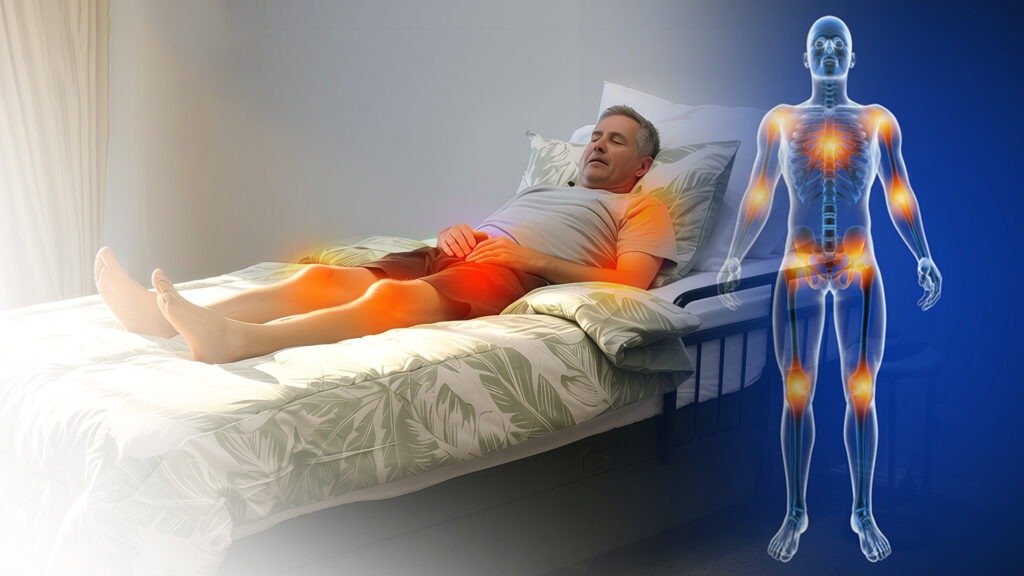
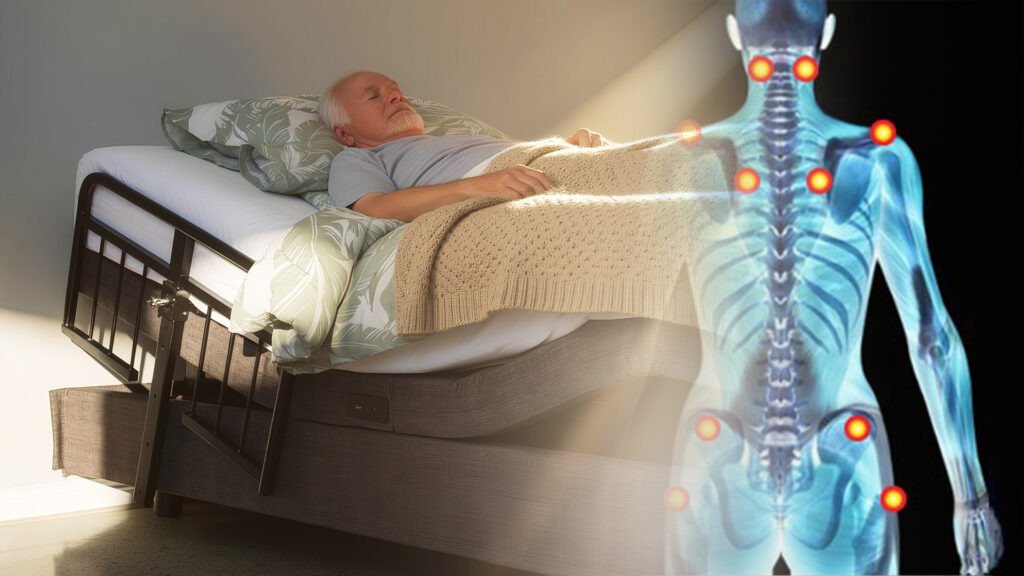
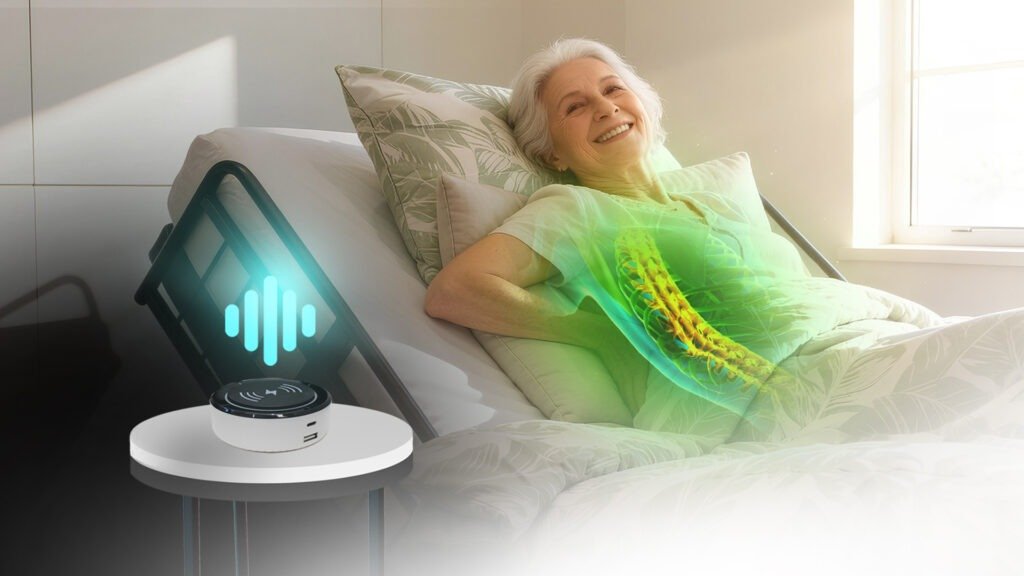
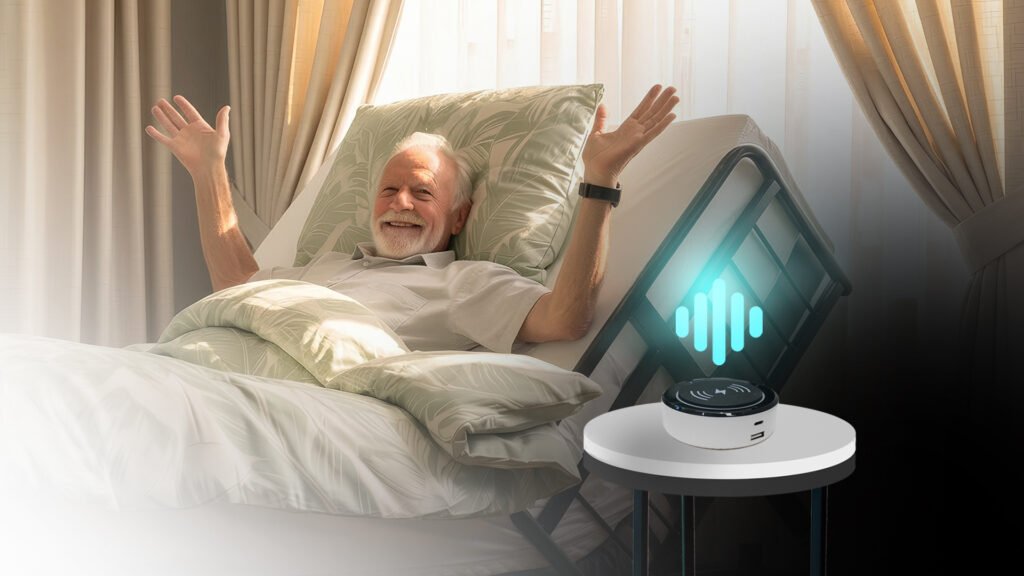
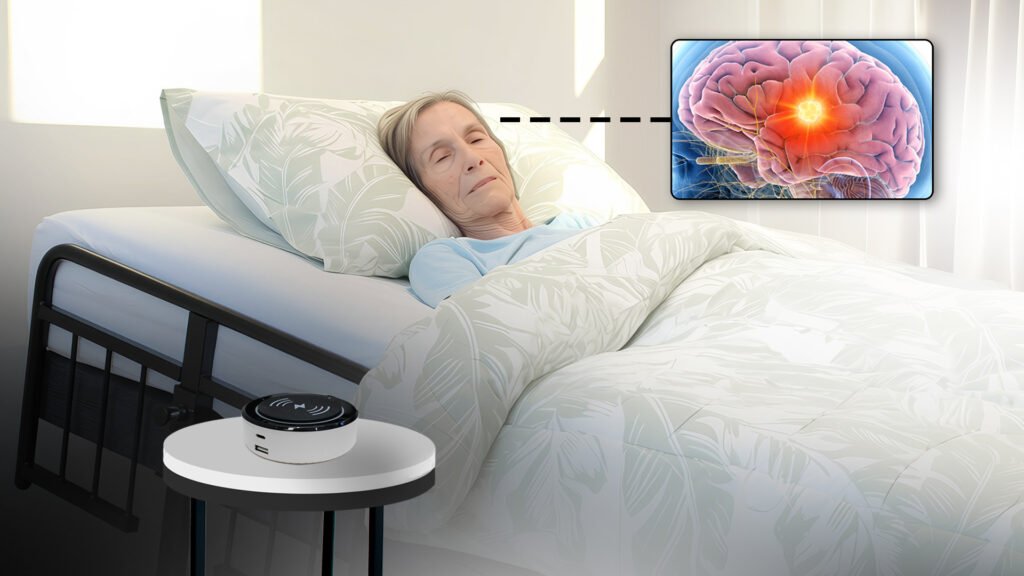
Acid reflux and gastroesophageal reflux disease (GERD) affect a large number of Australians, particularly older adults and people with limited mobility. For many, symptoms worsen at night—interrupting sleep, causing discomfort, and increasing dependence on carers. One of the most effective non-medication strategies for managing reflux is head elevation during rest and sleep. However, manually adjusting pillows or sitting upright can be difficult, painful, or unsafe for some individuals. This is where a voice control adjustable bed can make a meaningful difference, offering fast, hands-free head elevation when symptoms occur. Solutions designed for Australian homecare needs are available through Assistive Tech Hub. Introduction: Why Acid Reflux Is So Common in Australians Acid reflux occurs when stomach acid flows back into the oesophagus, causing burning sensations, discomfort, coughing, or disturbed sleep. Several factors contribute to its high prevalence in Australia, including: Diet and meal timing Obesity and reduced physical activity Age-related weakening of oesophageal muscles Chronic health conditions and medications Night-time reflux is particularly challenging because lying flat allows acid to travel upward more easily, often waking individuals suddenly and forcing them to sit upright. Why Head Elevation Helps Reduce Acid Reflux Symptoms Clinical guidelines consistently recommend elevating the head and upper body to reduce reflux symptoms. Elevation helps by: Using gravity to prevent acid backflow Reducing pressure on the stomach Supporting easier breathing during sleep Minimising coughing and throat irritation Unlike stacking pillows—which can slip or strain the neck—controlled bed elevation provides stable, consistent positioning throughout the night. The Problem: Manual Adjustment Is Difficult for Many While head elevation is effective, achieving it is not always easy. Many Australians with reflux also experience: Arthritis or reduced hand strength Back, hip, or shoulder pain Limited mobility or fatigue Dependence on carers for repositioning Sitting up suddenly during a reflux episode can increase the risk of dizziness, falls, or injury—particularly for older adults or people with disabilities. What Is a Voice-Control Adjustable Bed? A voice control adjustable bed allows users to reposition the bed using spoken commands instead of buttons or remotes. Key functions include: Smooth head and upper body elevation Hi-low height adjustment for safe transfers Gradual, quiet movement to avoid discomfort Hands-free operation for independence The Voice-Control Homecare Hi-Low Bed is designed specifically for aged care, disability support, and homecare use in Australia. How Quick Voice-Led Head Elevation Helps Acid Reflux Sufferers Immediate Relief During Sudden Reflux Episodes Voice activation allows users to elevate their head instantly without sitting up or calling for help. No Manual Effort Required This is especially helpful for people with joint pain, weakness, or tremors. Reduced Night-Time Discomfort Maintaining an elevated position can prevent repeated reflux episodes throughout the night. Greater Independence for NDIS Participants Users can manage their own comfort without relying on carers for repositioning. Safer for Elderly Users Smooth elevation reduces sudden movements that can trigger dizziness or imbalance. Benefits for Carers and Families Supporting Acid Reflux Patients Caring for someone with frequent reflux can be physically and emotionally demanding. Voice-controlled beds help carers by: Reducing the need for night-time lifting or repositioning Supporting occupational therapist-recommended sleep positioning Allowing carers to focus on monitoring and comfort rather than manual handling Improving overall safety in the home environment This is particularly valuable in aged care and disability support settings. Voice-Controlled Beds for Aged Care & Disability Support in Victoria Voice-controlled adjustable beds are increasingly used across: Aged care beds Victoria Disability care beds for home use Community and NDIS-supported living environments Funding pathways may be available through: NDIS approved adjustable beds SWEP approved assistive beds Hospital discharge and short-term care programs Occupational therapists typically assess suitability and support funding applications. Hire, Trial, or Purchase Options in Victoria Choosing the right bed is a significant decision. Flexible options are available to suit different needs: Short-term hire for recovery or symptom management (Hire options) Trial or rental periods before long-term commitment (Rental enquiry) Permanent purchase for ongoing reflux management These options help individuals and families make informed choices without pressure. Choosing the Right Bed for Acid Reflux: Key Features When selecting a bed for reflux management, consider: Reliable backrest and upper-body elevation Smooth, quiet transitions that won’t disturb sleep Stable, sturdy frame for safety Optional safety rails for added security Battery backup for uninterrupted use during power outages Beds designed for electric hi-low beds for allied health use often meet these requirements. Conclusion For Australians living with acid reflux, fast and reliable head elevation can significantly reduce night-time discomfort and improve sleep quality. A voice control adjustable bed provides hands-free, immediate positioning that supports comfort, safety, and independence—especially for older adults, people with disabilities, and those receiving homecare. By reducing carer strain and aligning with NDIS and aged care needs, voice-led head elevation offers a practical and effective solution for reflux management at home. For personalised advice or support with funding and trials, you can contact Assistive Tech Hub for OT-supported guidance.
How Australians with Acid Reflux Benefit from Quick Voice-Led Head Elevation Read More »