Assistive Tech Hub

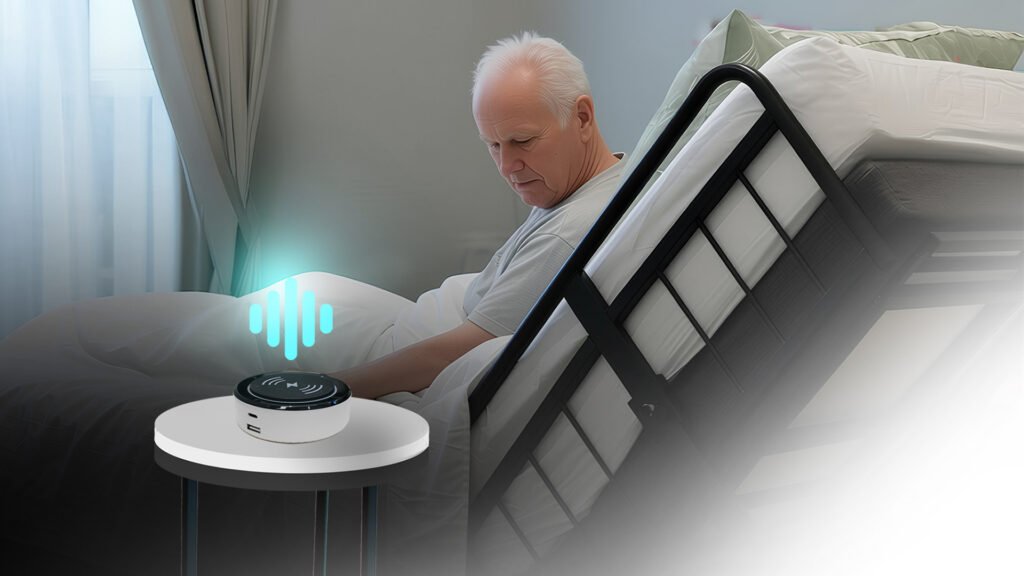
How Voice-Control Helps Users with Fine Motor Limitations Avoid Remote Control Struggles

Introduction: Understanding Fine Motor Limitations Fine motor limitations can make everyday tasks, such as gripping, pressing buttons, or manipulating small objects, challenging. For individuals who struggle with dexterity, even adjusting a bed using a traditional remote can be frustrating, tiring, and sometimes unsafe. Voice control adjustable beds offer a practical, hands-free solution that enhances independence, reduces strain, and improves comfort for people living with fine motor limitations. Challenges of Using Traditional Bed Remotes Traditional bed remotes, while common, may pose several difficulties: Difficulty pressing buttons accurately: Limited hand control can make it challenging to operate standard remote buttons. Frustration and fatigue from repeated attempts: Repeated pressing can tire hands, wrists, or arms. Risk of improper bed positioning: Incorrect adjustments may affect comfort, posture, and safety, potentially increasing the risk of falls or pressure injuries. These challenges highlight the need for a more accessible, adaptive solution for users with limited dexterity. How Voice-Controlled Hi-Low Beds Work Voice-controlled beds combine technology and accessibility features to simplify adjustments: Hands-free operation using voice commands: Users can control bed positioning simply by speaking, eliminating the need to press buttons. Hi-low height and tilt adjustments: Beds can be raised or lowered for safer transfers, while head and leg tilts enhance comfort and circulation. This technology allows users to independently control their sleeping environment, improving safety and reducing reliance on carers. Explore our Voice-Control Hi-Low Bed to see these features in action. Benefits for Users with Fine Motor Limitations Voice-controlled beds provide multiple advantages: Independent repositioning: Users can adjust their bed without needing assistance. Reduced physical strain: Hands-free control minimizes fatigue and discomfort in fingers, wrists, and arms. Enhanced safety and comfort: Hi-low features support safer transfers and optimal positioning. Pressure relief and improved circulation: Tilt adjustments help reduce pressure points, improving overall comfort and wellbeing. Carers also benefit, as less physical assistance is required, reducing the risk of injury during manual adjustments. Clinical Recommendations and Occupational Therapy Insights Occupational therapists (OTs) often recommend voice-controlled beds for individuals with limited dexterity: Recommended features: Hi-low height, head and leg tilt, voice control functionality, and safety rails. Importance of safe bed adjustments: Proper positioning can prevent pressure injuries, improve circulation, and enhance comfort. Selecting a bed with these features ensures that users receive maximum clinical benefit while maintaining independence. NDIS and SWEP Funding in Victoria Many individuals may qualify for funding assistance to access voice-controlled beds: Eligibility, assessments, and approved providers: NDIS participants or those under SWEP may receive support after clinical evaluation. NDIS-approved adjustable beds and providers: Ensure your chosen bed meets regulatory standards for funding and safety. For guidance on funding options, visit our Rental Enquiry or Contact pages. Selecting the Right Voice-Controlled Bed When choosing a voice-controlled bed, consider: Safety rails: Provide extra support during transfers. Tilt and electric hi-low functionality: Essential for comfort, circulation, and independent repositioning. Smart homecare integration: Allows seamless hands-free adjustments and future-proof technology. Our team can help select the most suitable model for home, aged care, or NDIS use. Hire or Trial Options Assistive Tech Hub provides flexible options for testing beds before committing to purchase: Hire options: Short-term rental plans for trials or temporary needs. Trial services: Experience bed functionality firsthand to determine the best fit. Visit our Hire page or submit a Rental Enquiry to explore these options. Conclusion Voice-controlled beds help users with fine motor limitations regain independence, reduce frustration, and safely adjust their sleeping environment. By combining hands-free operation with hi-low and tilt features, these beds improve comfort, circulation, and overall quality of life for both users and carers. Key Takeaways: Voice-control eliminates struggles with traditional remotes. Hi-low and tilt features allow safer, easier positioning. NDIS and SWEP funding options are available in Victoria. Hire and trial options let users test before long-term use. Take Action Today: Explore our Voice-Control Hi-Low Bed, hire or request a trial, or contact us for OT-guided advice to find the right solution for your needs.

How Voice-Control Helps Users with Fine Motor Limitations Avoid Remote Control Struggles Read More »

Benefits of a Voice-Controlled Bed for Australians Living with Severe Arthritis or Joint Pain

Introduction: Understanding Arthritis and Joint Pain Challenges Living with severe arthritis or chronic joint pain can make even simple daily tasks exhausting. From getting in and out of bed to adjusting your sleeping position, movements that many take for granted may become painful or even risky. For Australians managing arthritis at home, comfort, safety, and independence are essential. A voice control adjustable bed can transform the daily experience, providing support without placing additional strain on joints. Why Traditional Bed Adjustments Can Be Painful For people with arthritis, traditional manual or electric beds can still present challenges: Limited mobility in hands, arms, and joints: Operating remote controls or manual levers can be difficult when finger, wrist, or shoulder joints are stiff. Pain from repetitive movements: Repeatedly pushing buttons or levers may exacerbate inflammation or soreness. Risk of aggravating inflammation: Struggling to adjust a bed incorrectly can worsen joint pain, reduce comfort, and disrupt sleep. These limitations highlight the need for a hands-free, adaptive solution that promotes independence and safety. How Voice-Controlled Hi-Low Beds Work Voice-controlled beds combine technology and ergonomics to make adjustments effortless: Hands-free voice commands: Simply speaking your desired position allows the bed to respond, removing the need to strain joints or use a remote. Hi-low height and tilt adjustments: Beds can be raised or lowered to assist with transfers, while head and leg tilts support comfort, circulation, and pressure relief. This integration of technology provides practical assistance and reduces the physical burden on users and carers alike. Explore our Voice-Control Hi-Low Bed to see the features in action. Key Benefits for People with Arthritis Voice-controlled beds offer multiple advantages: Reduces strain on painful joints: Adjust your bed without manual effort, limiting pain flare-ups. Promotes safer repositioning and transfers: Hi-low height adjustments allow easier transitions in and out of bed, supporting independence and safety. Improves comfort and sleep quality: Optimal tilt and support positions can alleviate pressure points and enhance rest. Supports circulation and reduces pressure points: Adjustable head and leg positions aid blood flow, reducing swelling and stiffness. For families and carers, these features also mean reduced physical strain and fewer manual handling requirements. Occupational Therapist Recommendations Occupational therapists (OTs) often recommend beds with the following features for arthritis patients: Adjustable tilt and height controls: Essential for safe transfers and joint protection. Voice-control functionality: Promotes independence for users with limited hand mobility. Compatibility with smart homecare systems: Allows integration with other assistive technology. An OT-guided selection ensures the bed meets individual needs while supporting long-term joint health. NDIS and SWEP Funding Options in Victoria Many Australians with arthritis may qualify for funding assistance: Eligibility and assessment guidance: NDIS participants or those under SWEP may receive support for assistive beds after clinical assessment. NDIS-approved adjustable beds and providers: Ensure your chosen bed meets regulatory standards for funding and safety. For guidance on funding options, contact us through our Rental Enquiry or Contact pages. Choosing the Right Voice-Controlled Bed When selecting a bed, consider: Safety rails: Provide additional support during transfers. Electric hi-low features: Essential for mobility assistance. Smart homecare integration: Enables hands-free adjustments and future-proof functionality. Our team can assist in selecting the right model for home use or aged care settings. Hire or Trial Options Across Victoria Testing a bed before purchase is highly recommended. Assistive Tech Hub offers: Hire options: Flexible rental plans for home trials or temporary needs. Trial services: Experience features firsthand and determine what best suits your needs. Visit our Hire page or submit a Rental Enquiry to explore options. Conclusion Voice-controlled beds are more than just technology—they are tools that enhance independence, reduce pain, and improve daily comfort for Australians living with arthritis or chronic joint pain. By providing safe, hands-free adjustments and supporting optimal positioning, these beds empower users to enjoy restful sleep and a higher quality of life. Key Takeaways: Voice-controlled beds reduce strain and pain for arthritis patients. Hi-low and tilt features allow safer, easier repositioning. NDIS and SWEP funding options are available in Victoria. Hire and trial options let families test beds before long-term use. Explore our Voice-Control Hi-Low Bed, hire or request a trial, or contact us for OT-guided advice to find the best solution for your needs.

Benefits of a Voice-Controlled Bed for Australians Living with Severe Arthritis or Joint Pain Read More »

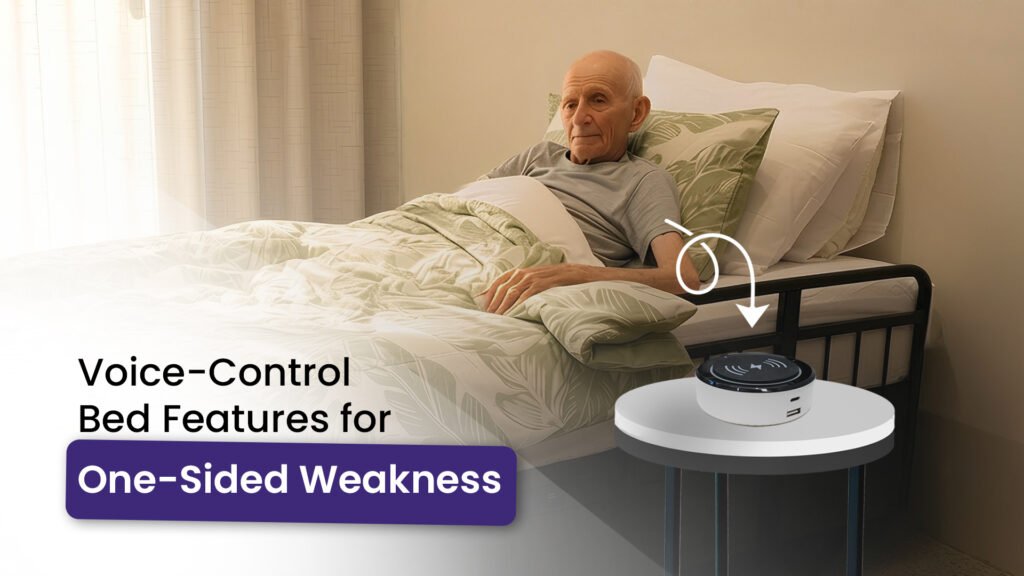
People with Hemiplegia: Using Voice Commands Instead of Remotes for Bed Adjustments

People living with hemiplegia often face daily challenges related to movement, strength, and independence. Tasks that are simple for others—like reaching for a remote or changing bed positions—can be difficult when only one side of the body is fully functional. For many Australians with hemiplegia, especially those in Victoria, assistive technology has become a major part of staying safe and independent at home. Voice-controlled beds are one of the latest advancements helping individuals adjust their position without lifting a finger. These beds are designed to work through simple voice commands, making them a practical choice for anyone who has limited use of one arm or hand. As more people explore assistive technology beds in Victoria, voice control is becoming a valuable tool for improving comfort, reducing strain, and supporting safer mobility at home. This article explores why voice-control adjustable bed systems matter, how they work, and why they are strongly recommended for people living with hemiplegia by many occupational therapists and allied health teams across Australia. Understanding Hemiplegia and Mobility Challenges Hemiplegia refers to paralysis or severe weakness on one side of the body. It is commonly caused by stroke, traumatic brain injury, neurological conditions, or congenital disorders. With only one side of the body functioning at full capacity, everyday movements can become exhausting or unsafe. Some common challenges include: Difficulty reaching for objects located on the weaker side Reduced coordination and grip strength Increased fatigue due to overuse of the non-affected side Higher falls risk when leaning, twisting, or performing complex movements Because of these limitations, people with hemiplegia often rely on mobility aids, assistive beds, and home modifications to stay as independent as possible. A bed that adjusts safely and easily becomes essential—especially for long-term home care or for people supported through the NDIS. Why Traditional Bed Remotes Are Difficult for Hemiplegia Patients Limited use of one side of the body Traditional handheld remotes require grip strength, coordinated thumb movement, and the ability to lift or reposition the remote. For someone with hemiplegia, performing these actions with one hand—or trying to use the weaker side—can be frustrating or physically challenging. Fatigue from repeated movements Even if the stronger hand is used, constantly reaching for the remote can cause overuse fatigue. Many carers also report that their loved ones accidentally drop the remote, requiring someone else to retrieve it. Risk of unsafe adjustments or falls Some people attempt to lean or twist their body to reach a misplaced remote. For patients recovering from stroke or those with mobility limitations, this increases fall risk and may cause shoulder or rib strain. Because of these challenges, many families and OTs in Victoria are now considering voice-controlled adjustable beds as a safer and more accessible option. How Voice-Controlled Hi-Low Beds Work Voice-controlled hi-low beds operate through hands-free commands spoken by the user. Instead of pressing physical buttons, the system responds to clear voice instructions and adjusts the bed accordingly. Hands-free operation via voice commands With a built-in voice assistant, users can control key features such as: Raising or lowering the head Adjusting the leg position Setting the bed to flat Activating the hi-low function Using tilt or comfort positions This makes the bed easier to use for people who cannot manage remotes due to grip weakness or limited motor control. Hi-low height and tilt adjustments Hi-low features allow the bed to rise for safe transfers or lower close to the floor to minimise falls. Tilt options add another layer of comfort, especially for people with hemiplegia who need frequent repositioning to improve circulation and reduce pressure. Assistive Tech Hub offers a dedicated Voice-Control Homecare Hi-Low Bed designed specifically for NDIS households, disability care, and aged care settings. Key Benefits for People with Hemiplegia Enables independent repositioning Voice operation allows the user to adjust the bed anytime without waiting for a carer. This boosts confidence, independence, and personal control over comfort—especially during the night. Reduces strain on unaffected limbs The non-affected arm often becomes overused when the person needs to reach, lift, or adjust themselves manually. A voice control adjustable bed reduces repetitive strain and protects the stronger side from long-term overuse injuries. Enhances safety and comfort Correct positioning is essential for breathing, posture, and safe transfers. With voice commands, users can easily: Elevate the head to improve airflow Raise the legs for circulation Position the bed for side-lying posture Return to flat after rest These adjustments become quick and effortless. Supports better circulation and pressure relief Many people with hemiplegia have reduced movement on one side, increasing the risk of pressure injuries. Voice control makes frequent repositioning easier, which helps maintain circulation and prevent skin breakdown. Clinical Recommendations from Allied Health Professionals Occupational therapists and physiotherapists often recommend assistive beds for clients with hemiplegia to support safer resting positions and improve independence. Occupational therapy endorsements OTs commonly recommend: Hi-low height adjustment for safer transfers Electric head and leg elevation Side rails for safety Tilt functions for pressure relief Voice control for clients with limited hand function These features make beds like Assistive Tech Hub’s voice-controlled model suitable for both disability care and aged care environments. Appropriate bed features for one-sided weakness Clinically recommended features include: Soft-touch or voice-activated control systems Smooth electric motors Stable frame and locking castors Compatibility with care mattresses Supportive rails and padding These features help minimise risk during mobility tasks and nighttime repositioning. NDIS and SWEP Funding Options in Victoria People living with hemiplegia may be eligible for funding under the NDIS or Victoria’s SWEP program. Eligibility and assessment Clients generally need: A functional assessment from an occupational therapist A clear justification for the equipment Safety requirements documented Evidence of the need for assistive technology NDIS approved adjustable beds and providers Assistive Tech Hub supplies NDIS approved beds, assistive beds, and SWEP approved assistive beds across Victoria. Many participants receive funding for: Hi-low adjustable beds Voice-controlled assistive technology beds Aged care electric beds with voice control Disability beds suitable for home use You can browse more assistive

People with Hemiplegia: Using Voice Commands Instead of Remotes for Bed Adjustments Read More »

Funding Options in Victoria for Long-Term Hi-Low Bed Hire and What to Ask Your Supplier

Introduction: Why Long-Term Bed Hire Needs Financial Planning Long-term hi-low bed hire is an excellent solution for seniors, people with disabilities, and NDIS participants who wish to remain comfortable and safe at home. However, understanding the financial implications is crucial. Beds for long-term hire can vary in cost depending on features, duration, and accessories, so planning ahead helps families, carers, and aged care coordinators manage expenses effectively. You can own our bed in less than 3 years. Fortunately, in Victoria, several funding pathways can support long-term hire, reducing out-of-pocket costs while ensuring access to high-quality aged care beds and assistive beds for elderly Victoria. To explore available beds and services, visit Assistive Tech Hub Home or browse our Aged Home Care Beds. Understanding Hi-Low Beds and Their Long-Term Benefits Hi-low beds are adjustable aged care beds designed for safety, mobility, and comfort. They allow users to raise or lower the bed height, tilt the head or foot sections, and integrate accessories such as side rails or overbed tables. Key benefits of long-term hire include: Safer transfers for users and carers Reduced risk of pressure injuries Easy adjustment to meet changing mobility needs Whether you need NDIS funded beds for elderly or electric beds for seniors Victoria, long-term hire provides ongoing support without the upfront cost of purchasing a bed. Funding Pathways Available in Victoria NDIS Funding and Assistive Technology Support NDIS participants can access funding for beds through their plan under assistive technology supports. Eligible beds must be: NDIS aged care beds Victoria Compliant with NDIS safety and quality standards TGA Certified Recommended by an occupational therapist or allied health professional For guidance on NDIS funding, you can contact us to discuss suitable beds and documentation requirements. SWEP-Approved Beds and Eligibility The State-Wide Equipment Program (SWEP) provides funding for eligible Victorian residents who require home equipment for long-term support. SWEP-approved beds ensure: Safe and reliable operation Compliance with Victorian health and safety standards Cost-effective long-term hire TGA Certified Home Care Packages and Aged Care Support Home Care Packages can cover long-term bed hire for seniors who require assistance at home. Packages often fund: Delivery, setup, and maintenance Accessories such as bed rails or mattresses Allied health assessments These programs make long-term hire of home care beds for elderly Victoria more affordable while keeping users safe and comfortable. What to Ask Your Supplier Before You Hire Before committing to a long-term hire, it’s important to ask your supplier the following questions: Funding documentation and compliance: Are the beds TGA certified? Delivery, installation, and maintenance: Will the bed be professionally installed and serviced throughout the hire period? Rental duration flexibility: Can hire periods range from 1 to 10 years depending on user needs? You can own our bed in less than 3 years. Rent to Own Allied health recommendations and assessments: Does the supplier work with OTs or other allied health professionals to ensure the correct bed is chosen? A trusted supplier like Assistive Tech Hub can provide guidance on all these points. You can submit a rental enquiry to discuss long-term options tailored to your needs. How to Apply for Funding in Victoria NDIS Home at Support or SWEP Process For NDIS participants, the process typically involves: Including the hi-low bed in your NDIS plan or Home at Support as an assistive technology support Providing quotes and product specifications from an NDIS-approved supplier Receiving approval and arranging delivery through the provider For SWEP funding, eligibility is assessed based on medical need and living situation. SWEP can cover beds for eligible individuals requiring home support. You will need SWEP registered OT to write the report. Role of Occupational Therapists in Approvals An occupational therapist or allied health professional plays a key role in recommending appropriate beds. Their assessment ensures the bed meets user needs and funding criteria, supporting applications for NDIS home support beds Victoria or SWEP-approved equipment. Documents and Quotes Required Typical requirements include: Medical or allied health recommendation Supplier quote detailing model, features, and hire cost Funding application forms for NDIS, Home at Support or SWEP Having all documentation ready ensures a smooth approval process and timely delivery of the bed. Choosing a Reliable Bed Hire Provider in Victoria When selecting a provider, consider the following: NDIS & Aged Care, Home At Support-approved supplier credentials: Verify that the supplier is registered with the NDIS or SWEP for long-term hire. Equipment quality, servicing, and safety: Ensure the beds are compliant, serviced regularly, and suited to long-term use Comparing long-term hire vs purchase options: Evaluate cost-effectiveness, flexibility, and included maintenance Assistive Tech Hub provides NDIS-compliant adjustable aged care beds NDIS and assistive beds for elderly Victoria, with professional setup, ongoing servicing, and expert guidance throughout the hire period. Conclusion: Plan Ahead for Comfort and Support Long-term hi-low bed hire in Victoria is a practical and cost-effective solution for seniors, NDIS participants, and families planning for safe, independent living at home. Funding options through NDIS, SWEP, or Home Care Packages can significantly reduce costs, but careful planning, allied health assessment, and choosing a reputable supplier are essential. If you’re ready to explore funding options and bed hire in Victoria, you can learn more about our Aged Care Beds or submit a Rental Enquiry to discuss long-term hire options with our team.

Funding Options in Victoria for Long-Term Hi-Low Bed Hire and What to Ask Your Supplier Read More »

The Benefits of Long-Term Hi-Low Bed Hire for Ageing in Place

Introduction: What Does ‘Ageing in Place’ Mean for Australians? Ageing in place means living independently and safely in your own home for as long as possible, even when care needs increase. For many older adults and NDIS participants in Victoria and across Australia, the right home care equipment makes this possible. One essential piece of equipment is the hi-low bed—an adjustable, safe, and comfortable solution that supports both the individual and their carers. Choosing long-term hire instead of purchase provides flexibility, predictable costs, and professional servicing, ensuring your home remains a safe environment for years to come. To start exploring options, you can visit Assistive Tech Hub Home or browse our Aged Home Care Beds. The Role of Hi-Low Beds in Supporting Independent Living Hi-low beds are electric or semi-electric adjustable beds designed to improve mobility, safety, and comfort for people ageing at home. Key benefits include: Adjustable height and positioning: Users can raise or lower the bed for comfort, safer sleep, and easier transfers in and out of bed. Easy transfers for carers and family members: The adjustable height reduces strain on carers’ backs and improves safety during repositioning or lifting. For NDIS participants or families considering long-term hire, NDIS aged care beds Victoria and electric beds for seniors Victoria provide safe, compliant solutions tailored to home care needs. In less than 3 years you can own the bed. Why Choose Long-Term Hire Instead of Purchase? Cost Flexibility and Low Maintenance Long-term hire allows families and service providers to avoid large upfront costs associated with buying an aged care bed. Monthly hire fees include maintenance and servicing, which helps manage budgets while keeping equipment in excellent condition. In less than 3 years you can own the bed. Regular Servicing Included Many hire plans, such as those offered by Assistive Tech Hub, include routine servicing, safety inspections. This ensures beds remain fully functional and compliant over years of use. Access to NDIS and Home At Support Hire Options Long-term hire is often funded through NDIS plans or Home at Support for Short Term Restorative Care Program  in Victoria. Beds that are NDIS bed rails aged care and aged care beds NDIS approved meet strict safety standards and allow participants to access equipment without financial stress. For funding guidance, you can Contact Us. Key Benefits of Long-Term Hi-Low Bed Hire Improved Comfort and Mobility at Home A hi-low bed supports proper posture, pressure relief, and customised positioning. Users enjoy safer sleep and greater independence, even if mobility decreases over time. Safer Sleep and Repositioning Adjustable beds help reduce fall risk and support smooth transfers from bed to chair or wheelchair. This is particularly important for older adults with limited mobility or those recovering from injury. Better Carer Ergonomics and Reduced Injury Risk For family carers and professional support workers, hi-low beds reduce back strain and injury risk during daily care. By adjusting bed height, carers can work at a comfortable level while providing assistance. Compatibility with Accessories and Bed Rails Hi-low beds can integrate with NDIS home support beds Victoria, pressure-relief mattresses, overbed tables, and safety rails. This ensures long-term adaptability as care needs change. How to Arrange Long-Term Bed Hire in Victoria Assessment and Recommendation by OTs or Allied Health An occupational therapist or allied health professional can assess your needs and recommend appropriate beds. They may request beds for occupational therapist assessment or advise on allied health recommended care beds. Funding and Approval through NDIS or Home Care Packages Once a bed is recommended, long-term hire can be arranged through NDIS or Home Care Package funding, helping make the equipment affordable. SWEP-approved beds in Victoria may also be available for eligible participants to purchase. Delivery and Support via Assistive Tech Hub Hire Services Assistive Tech Hub provides delivery, setup, and ongoing servicing for long-term hires across Victoria. This ensures the bed remains compliant, safe, and functional throughout the hire period. For assistance, you can Submit a Rental Enquiry. Making Home Care Easier with Assistive Tech Hub Assistive Tech Hub specialises in NDIS-approved equipment, providing: Expert guidance for selecting the right hi-low bed Ongoing servicing and maintenance during hire Friendly support for families, carers, and allied health professionals Flexible hire plans tailored to long-term needs and later owning the bed You can browse available options, including home care beds for elderly Victoria, through Hire or explore our full Aged Home Care Beds collection. Conclusion: Supporting Ageing in Place with the Right Equipment Long-term hire of a hi-low bed is a practical, cost-effective solution for older adults who wish to age safely at home. It provides comfort, safety, and independence while reducing financial and maintenance burdens. By choosing a provider like Assistive Tech Hub, families, carers, and NDIS participants in Victoria can access NDIS funded beds for elderly, disability beds for home care Victoria, and SWEP-approved equipment with professional support included. If you’re ready to take the next step, you can view our range of aged care beds, submit a rental enquiry today, or contact our team for personalised guidance on NDIS-approved hire options.

The Benefits of Long-Term Hi-Low Bed Hire for Ageing in Place Read More »

Australians with Muscular Dystrophy: Why Hands-Free Bed Adjustments Are Essential

Introduction: Understanding Muscular Dystrophy and Daily Care Needs Muscular Dystrophy (MD) is a group of genetic conditions characterised by progressive muscle weakness. For Australians living with MD, even small daily movements, such as adjusting position in bed, can be exhausting. Fatigue, reduced arm strength, and limited mobility make it challenging to maintain comfort, prevent pressure injuries, and support breathing. Hands-free, voice-controlled beds are increasingly recognised as a vital solution for safe, independent living. Voice control adjustable beds allow users to reposition themselves without relying on physical strength, reducing strain and improving overall quality of life. Families, carers, and NDIS participants across Victoria can access these beds through hire options or purchase. Learn more about the benefits of assistive technology beds in Victoria for homecare and aged care settings. Why Muscle Weakness Makes Bed Position Changes Difficult Muscle weakness from MD affects multiple aspects of daily care: Limited arm strength: Even simple movements, like pressing a remote or lifting the bed, may be impossible. Fatigue from small movements: Constant effort can quickly lead to exhaustion, affecting independence. Breathing support needs: Adjusting the head or foot of the bed is often necessary to support optimal respiratory function, especially during fatigue episodes. Manual bed controls are not always practical or safe for users with progressive muscle weakness. That’s where hi low adjustable beds come in. How Hands-Free and Voice-Control Bed Adjustments Work Voice-controlled beds integrate motorised bed frames with advanced voice recognition. Key features include: Hi-low adjustable functions: Raise or lower the bed for safe transfers or comfortable positioning. Head and foot tilt adjustments: Elevate the upper or lower body independently to support comfort and therapy. Voice commands: Users can say simple commands to adjust bed height, tilt, or position, eliminating the need for hand strength. Safety features: Emergency stop, smooth motion, and side rail compatibility ensure secure operation. These beds are suitable for both home and aged care use, supporting independence and comfort. Benefits for People with Muscular Dystrophy Reduces physical strain Users can adjust their position without relying on carers or manual effort, reducing fatigue and preserving energy for daily activities. Supports independent living Voice control empowers users to maintain daily routines safely and with dignity, enhancing overall independence at home. Safe overnight repositioning Automatic adjustments minimise the risk of falls or accidents during the night, especially for users with limited mobility. Better pressure relief and comfort Regular bed adjustments help prevent pressure injuries, support circulation, and provide optimal comfort during sleep or rest. Learn more about NDIS and SWEP funding for assistive technology through Assistive Tech Hub’s resources. Clinical and Allied Health Recommendations Occupational therapists and allied health professionals often recommend voice control adjustable bed models for people with progressive muscle weakness due to: Enhanced safety during transfers Adjustable head/foot sections supporting breathing and therapy routines Reduced reliance on carers and support workers Integration with allied health assessments for funding approvals These beds are tailored to meet the specific functional needs of each individual, aligning with NDIS and SWEP guidelines in Victoria. NDIS and SWEP Funding Options in Victoria AT Categories and Eligibility Assistive technology (AT) categories under the NDIS or SWEP may cover NDIS approved adjustable beds when recommended by an occupational therapist. OT Assessments Required Funding applications require OT reports detailing: The functional limitations caused by MD Daily care challenges Safety, comfort, and mobility needs These reports help secure financial support for homecare equipment, making voice-controlled beds more accessible. Provider Guidelines Selecting an NDIS-approved supplier ensures that the bed meets safety and accessibility standards and provides ongoing support. Families can explore hire options or rental enquiries for trial periods before committing to purchase. Choosing the Right Hi-Low Bed for Long-Term Muscle Conditions When choosing a bed for Muscular Dystrophy: Safety rails: Provide support during transfers and prevent falls. Height adjustment: Facilitate easy caregiver access and independent positioning. Tilt and elevation options: Support comfort, breathing, and pressure care. Smart homecare beds: Ensure compatibility with future assistive technology upgrades. OTs often recommend beds with electric hi-low functions and voice control for progressive conditions. Hire, Trial, or Buy Options Across Victoria Assistive Tech Hub offers flexible options: Hire: Long-term or short-term rentals suitable for trial or ongoing use. Rental enquiry: Easy process to request a bed trial or rental quote. Purchase: Full ownership for permanent home use. These options allow families to select the most suitable approach based on current and future needs. When to Consider Upgrading to Voice-Control Assistive Beds Voice-controlled beds are particularly beneficial when: Muscle weakness progresses and manual bed adjustments become difficult Caregiver support is limited or inconsistent Independent living is a priority Enhanced safety and pressure management are required Upgrading early can prevent injury, reduce carer fatigue, and improve overall quality of life. Conclusion: Hands-Free Adjustments Help Maintain Independence and Reduce Fatigue For Australians living with Muscular Dystrophy, hands-free and voice-controlled bed adjustments are essential for safe, independent home care. These beds reduce physical strain, support daily repositioning, and prevent pressure injuries. With NDIS and SWEP funding options available in Victoria, families can access voice control adjustable beds through hire or purchase. Explore your options today by viewing the Voice-Control Hi-Low Bed, arranging a hire or trial, submitting a rental enquiry, or contacting our team for OT-guided advice.

Australians with Muscular Dystrophy: Why Hands-Free Bed Adjustments Are Essential Read More »

Voice-Controlled Beds for Australians with Myasthenia Gravis Experiencing Severe Weakness

Introduction: Understanding Myasthenia Gravis and Daily Weakness Myasthenia Gravis (MG) is a neuromuscular condition that causes significant muscle weakness, often worsening with activity and improving with rest. Everyday tasks, including repositioning in bed, can become exhausting and sometimes unsafe. For Australians with MG, a voice control adjustable bed offers a practical solution, allowing hands-free adjustments, safer transfers, and improved independence. These assistive technology beds in Victoria are suitable for NDIS participants, carers, allied health teams, and families seeking support for daily living. Flexible options include hire, rental enquiries, or direct purchase. Why Muscle Weakness Makes Bed Adjustments Difficult MG often limits strength in the arms, legs, and core, making manual bed adjustments challenging. Key difficulties include: Difficulty lifting arms or legs: Even small movements can require considerable effort. Fatigue from minimal exertion: Daily repositioning quickly depletes energy reserves. Risk during transfers: Moving in or out of bed can be unsafe without proper height adjustment or support. Traditional manual or electric beds may not fully address these challenges. A hi low adjustable bed with voice control provides an essential hands-free alternative. How Voice-Control Hi-Low Beds Work Voice-controlled beds use simple commands to adjust height, tilt, and elevation. Features include: Hands-free operation: Users can control bed movements without physical effort. Hi-low height adjustment: Raises or lowers the bed for safer transfers with carers or independently. Tilt features: Head, leg, and zero-gravity positioning improve comfort and circulation. These beds are especially helpful for those with progressive muscle weakness, allowing them to maintain independence and control over their daily routines. Benefits for People with Myasthenia Gravis Reduced physical strain and fatigue Voice commands eliminate the need to manually press buttons or lift limbs, conserving energy for daily activities. Safer positioning and transfers Hi-low adjustments and tilt functions ensure users can safely get in and out of bed, reducing the risk of falls or strain injuries. Supports independence and comfort Voice-controlled beds empower users to adjust their positions without waiting for carers, promoting autonomy and daily functional capacity. Pressure relief and circulation support Adjusting the head and legs can help redistribute pressure, supporting skin health and circulation, which is critical for long-term comfort and safety. Learn more about disability care beds for home use suitable for people with neuromuscular conditions in Victoria. Allied Health Recommendations Occupational therapists and physiotherapists often recommend voice control adjustable beds for patients with MG because: Hi-low features improve safe transfers and postural alignment. Tilt and zero-gravity functions reduce muscle fatigue and support respiratory function. Voice control enhances independence and reduces carer workload. Selecting assistive beds with these features ensures compliance with clinical and safety standards for progressive conditions. NDIS and SWEP Funding in Victoria Australians with Myasthenia Gravis may be eligible for funding to access voice-controlled beds: Eligibility and OT assessments: Required to determine functional need. NDIS-approved adjustable beds: Ensure beds meet safety, accessibility, and therapeutic requirements. SWEP-approved assistive beds: Useful for short-term needs or hospital discharge support. Families can explore hire options or submit a rental enquiry to trial beds before committing to purchase. Choosing the Right Voice-Controlled Bed Key considerations when selecting a bed for MG patients: Safety rails: Reduce fall risks during night-time or transfers. Tilt options: Head and leg elevation for comfort, breathing support, and pressure relief. Electric hi-low adjustments: Allow carers or users to safely manage transfers. Homecare vs aged care applications: Choose a model that suits the living environment and long-term needs. A voice control hi-low bed with these features ensures comfort, independence, and safety for people with MG. Hire or Trial Options for Long-Term Care Assistive Tech Hub provides flexible access options: Hire: Short- or long-term rental to trial suitability. Rental Enquiry: Request a quote or discuss trial periods. Purchase: Full ownership for long-term homecare or aged care settings. Trial and hire options let families assess suitability and ensure the bed meets safety, independence, and comfort needs before purchase. Conclusion: Voice-Control Beds Enhance Independence, Safety, and Quality of Life For Australians living with Myasthenia Gravis, daily repositioning can be exhausting and unsafe due to muscle weakness. Voice-controlled hi-low beds: Reduce fatigue and physical effort Enable safer transfers and positioning Support independence, comfort, and pressure relief Minimise carer strain and improve daily living outcomes Funding options through NDIS and SWEP in Victoria make these beds accessible for homecare or aged care. Families can explore hire, rental enquiry, or purchase to ensure safe and supportive living for people with MG. For guidance or OT-supported recommendations, contact our team today.

Voice-Controlled Beds for Australians with Myasthenia Gravis Experiencing Severe Weakness Read More »

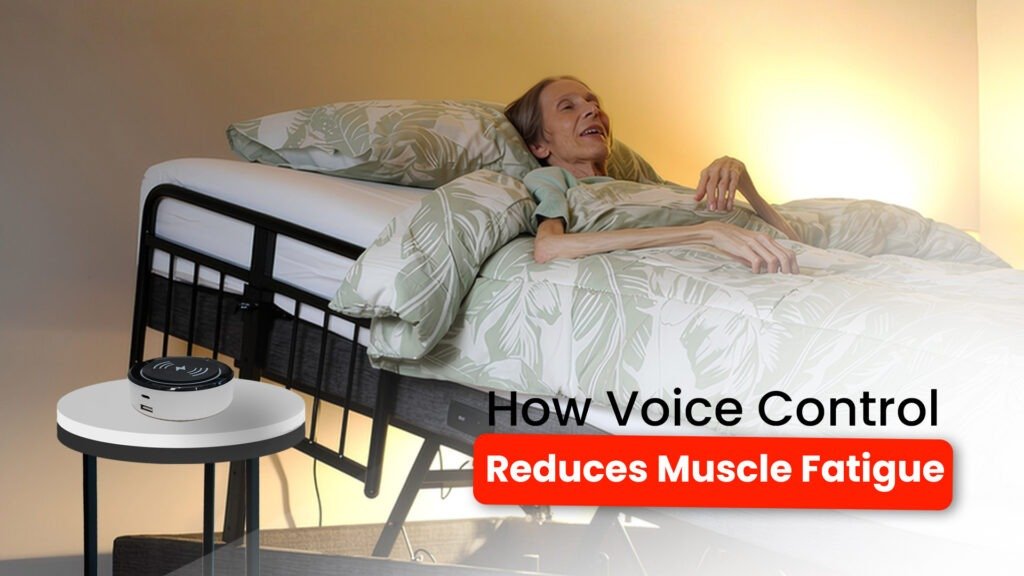
Voice-Control Support for Users with ALS Reducing Muscle Fatigue During Daily Position Changes

Introduction: Understanding ALS and Muscle Fatigue Amyotrophic Lateral Sclerosis (ALS) is a progressive neurological condition that affects muscle control, strength, and mobility. Even simple daily movements, such as adjusting your position in bed, can become physically exhausting. This fatigue can lead to discomfort, reduced independence, and increased reliance on carers. For Australians living with ALS, voice control adjustable beds offer a practical solution. By enabling hands-free bed positioning, these beds reduce the physical effort required to adjust the head, feet, or overall height. Families, carers, and NDIS participants in Victoria are increasingly adopting this technology for safer and more comfortable home care. Learn more about assistive technology beds in Victoria and explore options through the Assistive Tech Hub homepage. Why Position Changes Are Physically Challenging for ALS Users ALS affects voluntary muscle control, meaning even small movements require significant energy. Daily repositioning in bed can be physically demanding due to: Weak arm, hand, and leg muscles Muscle fatigue from repetitive movements Difficulty maintaining breathing and posture while adjusting Increased risk of pressure injuries without regular position changes Manual remotes or caregiver-assisted repositioning can be exhausting for both users and carers, highlighting the need for hands-free solutions like voice-controlled hi-low beds. How Voice-Control Beds Work A hi low adjustable bed with voice control integrates a motorised frame with a voice recognition system. Users can: Raise or lower the bed height Adjust the head and foot sections Stop movement instantly using safety commands Operate the bed without relying on hand or arm strength These beds are suitable for both homecare and aged care environments. Families and NDIS participants can explore hire options for long-term use or submit a rental enquiry to trial beds before committing to purchase. Key Benefits: Reducing Muscle Fatigue with Voice-Control Support Gentle elevation and lowering The bed moves smoothly and quietly, allowing users to reposition themselves without sudden movements that strain muscles. No need for arm or hand strength Voice control eliminates the need to press buttons, pull levers, or push remotes, making adjustments achievable even with severe muscle weakness. Safe repositioning for breathing and pressure relief Regularly changing positions supports respiratory function, reduces the risk of aspiration, and prevents pressure injuries — all without added fatigue. Clinical Advantages for ALS Patients OT/Physio recommended features Occupational therapists and physiotherapists often recommend electric hi-low beds for allied health use because they: Support proper positioning Facilitate therapy routines at home Reduce carer injury risk during manual handling Reduced caregiver strain Carers benefit from easier transfers, safer handling, and decreased physical stress. This allows them to focus on providing high-quality support rather than exerting energy on manual repositioning. Consistent pressure-area management Automatic and hands-free adjustments encourage frequent repositioning, helping maintain skin integrity and preventing complications like pressure ulcers. NDIS & SWEP Funding Options in Victoria ALS patients who are NDIS participants or eligible for SWEP funding can access voice-controlled beds as part of their funded assistive technology package. Eligibility Funding typically depends on: Diagnosis of ALS or similar progressive neuromuscular conditions Functional need for independent positioning Recommendation from an occupational therapist Required OT reports Occupational therapists provide detailed reports supporting the bed’s benefits, including: Daily living challenges Muscle fatigue and mobility limitations Safety, pressure care, and therapy requirements Benefits of choosing NDIS-approved beds Opting for NDIS-approved adjustable beds ensures: Compliance with safety and accessibility standards Easy documentation for funding approval Ongoing support from suppliers like Assistive Tech Hub Choosing the Right Voice-Control Hi-Low Bed Safety rails, height adjustment, and tilt features Essential features include: Adjustable head and foot sections for comfort and respiratory support Height adjustment to aid transfers and caregiver ergonomics Side rails to prevent falls Homecare vs aged care models Beds are available in models suitable for: Homecare settings, with trial and rental options Aged care facilities, with professional installation and ongoing maintenance Smart controls and customisations Voice recognition, programmable positions, and emergency stop features ensure safe and responsive operation for ALS users with progressive muscle weakness. Hire or Buy Options for Long-Term ALS Care Families can trial or hire beds to determine suitability before purchase. Assistive Tech Hub offers: Long-term hire for ongoing support at home Rental enquiry options for trial periods Full purchase for permanent home use This flexibility is particularly helpful for ALS patients whose functional needs may change over time. When to Consult an Occupational Therapist Before selecting a voice-controlled bed, consult an OT to: Assess functional needs Recommend suitable models and features Document the clinical justification for NDIS or SWEP funding Provide guidance on safe transfer techniques and positioning Conclusion: Voice Control Helps Reduce Fatigue, Improves Independence & Enhances Care at Home For Australians living with ALS, voice control adjustable beds transform daily care. They reduce muscle fatigue, support independent positioning, prevent pressure injuries, and relieve carer strain. With NDIS and SWEP pathways, these beds are accessible across Victoria, enabling families to create safer, more comfortable home environments. Explore options today by viewing the Voice-Control Hi-Low Bed, arranging a hire or trial, submitting a rental enquiry, or contacting our team for OT-guided support.

Voice-Control Support for Users with ALS Reducing Muscle Fatigue During Daily Position Changes Read More »

How People with Multiple Sclerosis Benefit from Zero-Gravity Positioning via Voice Commands

Introduction: Understanding MS and Daily Challenges Multiple Sclerosis (MS) is a neurological condition that affects the central nervous system, causing muscle weakness, spasticity, fatigue, and mobility limitations. For Australians living with MS, daily tasks such as repositioning in bed can be exhausting and sometimes unsafe. A voice control adjustable bed with zero-gravity positioning offers a practical solution, providing independence, comfort, and safety at home. These assistive technology beds in Victoria are also suitable for NDIS participants, carers, and families managing progressive mobility issues. Flexible options include hire, rental enquiries, or direct purchase. Why Positioning and Fatigue Are Major Concerns MS can make seemingly simple movements physically demanding. Key challenges include: Muscle weakness and spasticity: Reduced strength and involuntary contractions make manual bed adjustments difficult. Fatigue from repeated movement: Frequent repositioning throughout the day can tire users quickly. Risk of pressure injuries: Limited movement increases the likelihood of pressure sores without proper positioning. These concerns highlight the importance of an adaptive, hands-free solution like a hi low adjustable bed. What Is Zero-Gravity Positioning in Adjustable Beds Zero-gravity positioning is a bed adjustment method that elevates the legs and head to create a neutral body alignment, reducing pressure on joints and improving circulation. Key features include: Voice-activated controls for hands-free adjustments Gradual head and leg elevation to prevent strain Compatibility with safety rails and allied health requirements A voice control zero-gravity bed allows users to reposition themselves without relying on carers, promoting independence and safety. Benefits of Voice-Control Zero-Gravity Beds for MS Reduces physical strain Voice commands eliminate the need for manual adjustment, preserving energy for other daily activities. Supports circulation and breathing Zero-gravity elevation encourages blood flow and relieves pressure on the chest and legs, helping with breathing and reducing discomfort from prolonged lying. Improves overnight comfort and sleep quality Smooth, hands-free adjustments allow MS patients to find optimal sleeping positions, reducing restlessness caused by muscle stiffness or discomfort. Pressure relief and skin protection Adjusting the head and legs reduces pressure on vulnerable areas, lowering the risk of pressure injuries for users with limited mobility. Learn more about disability care beds for home use designed for individuals with MS in Victoria. Clinical Recommendations from Allied Health Professionals Occupational therapists and physiotherapists frequently recommend voice control adjustable beds for MS patients because: They support safe repositioning and independence Hi-low functions allow safe transfers with carers Voice activation reduces reliance on manual controls, minimizing strain These beds are especially useful for individuals with progressive mobility challenges who require consistent, safe support at home or in aged care environments. NDIS and SWEP Funding Options in Victoria MS patients or NDIS participants may be eligible for funding to access zero-gravity voice-controlled beds: Eligibility and assessments: An OT assessment is required to determine functional need. NDIS-approved adjustable beds: Ensure compliance with safety and accessibility standards. SWEP-approved assistive beds: Funding may be available for short-term needs or hospital discharge support. Families can explore hire options or submit a rental enquiry to trial beds before committing to purchase. Choosing the Right Hi-Low Bed with Voice Control When selecting a zero-gravity bed, consider: Tilt and height adjustments: Ensure the bed accommodates transfers and safe positioning. Safety rails: Reduce the risk of falls during sleep. Smart homecare features: Voice activation, programmable positions, and memory settings improve usability. Electric hi-low beds for allied health use: Support OTs and carers during repositioning, therapy, and clinical care. A voice control adjustable bed with these features provides maximum comfort, independence, and safety for MS users. Hire or Trial Options Across Victoria Assistive Tech Hub provides flexible options: Hire: Short- or long-term rental to trial suitability. Rental Enquiry: Submit a request for trial or hire details. Purchase: Secure full ownership for home or aged care use. Trial and hire options allow users and families to test bed functions and ensure it meets safety, comfort, and independence needs before long-term commitment. When to Consider Upgrading to Voice-Control Beds Upgrade or trial a zero-gravity voice-controlled bed if: Fatigue from repositioning increases Mobility limitations progress Pressure injury risk is high Safe, independent positioning is a priority for daily living and therapy Early access to assistive beds can enhance safety, reduce carer strain, and support therapeutic outcomes. Conclusion: Zero-Gravity Voice-Control Beds Enhance Independence, Comfort, and Safety for MS Patients For Australians living with Multiple Sclerosis, fatigue, reduced mobility, and spasticity make safe, hands-free repositioning essential. Voice-controlled zero-gravity hi-low beds: Reduce physical effort and fatigue Support circulation, breathing, and comfort Prevent pressure injuries and improve sleep quality Promote independence and reduce carer strain NDIS and SWEP funding options in Victoria make these beds accessible for homecare or aged care settings. Families and carers can explore hire, rental enquiry, or purchase to ensure safe, comfortable living for MS patients. Learn more or view the Voice-Control Hi-Low Bed and contact our team for OT-guided support and advice tailored to individual needs.

How People with Multiple Sclerosis Benefit from Zero-Gravity Positioning via Voice Commands Read More »

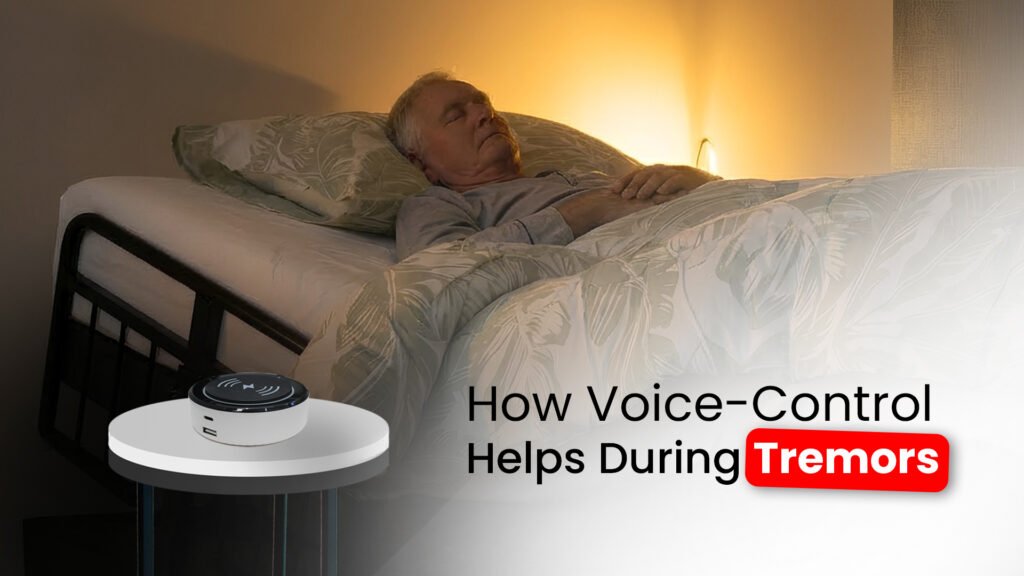
Using a Voice-Controlled Hi-Low Bed for Parkinson’s Tremors: Improving Night-Time Stability

Introduction: Parkinson’s and Night-Time Tremors Parkinson’s disease affects muscle control, causing tremors, stiffness, and rigidity that can make daily movements, especially in bed, challenging. Night-time tremors and reduced motor control increase the risk of falls, rolling over unintentionally, or struggling to reposition safely. For Australians living with Parkinson’s, a voice control adjustable bed can provide a practical solution for safer, hands-free night-time mobility. These assistive technology beds in Victoria help maintain independence, reduce carer strain, and enhance comfort during sleep. Families and NDIS participants can access these beds through hire options, rental enquiries, or purchase, offering flexible solutions to fit individual needs. Why Tremors and Rigidity Make Bed Mobility Difficult Parkinson’s symptoms can significantly limit safe bed use: Reduced control over small movements: Fine motor control needed to operate manual bed controls is often compromised. Difficulty repositioning safely: Tremors and stiffness make turning, raising the head, or adjusting leg positions challenging. Higher fall and rollover risks at night: Uncontrolled movements can lead to falls, accidental rollouts, or injuries during sleep. These challenges highlight the importance of adaptive, hands-free solutions, such as hi low adjustable beds. How a Voice-Control Hi-Low Bed Supports Night-Time Stability Voice-controlled hi-low beds integrate motorised functions with smart technology, allowing users to: Activate bed adjustments via voice commands: No need for hand strength, making it safe during tremors. Adjust bed height safely: Hi-low functions facilitate secure transfers in and out of bed for both users and carers. Smooth elevation and tilt: Head and leg adjustments happen gradually, reducing the risk of sudden movement that may trigger tremor-related instability. These features ensure that Australians with Parkinson’s can maintain safer, more comfortable positioning throughout the night. Key Benefits for People with Parkinson’s Reduces physical strain on arms and legs Users no longer need to manually press buttons or push against bed levers, preventing fatigue and muscle strain. Improves stability during tremors Voice commands provide precise control over bed movements, reducing the risk of falls or accidental rollover. Safer transfers in and out of bed Height adjustment and smooth tilting functions allow carers to assist safely while giving users more control. Enhances overnight comfort and breathing support Independent elevation of the head or legs can improve breathing, reduce stiffness, and enhance comfort during sleep. Learn more about available assistive beds for home use that support Parkinson’s patients in Victoria. Clinical Recommendations from Allied Health Teams Occupational therapists and allied health professionals often recommend voice control adjustable bed models for individuals with Parkinson’s because: They prevent falls and injuries during night-time mobility. Hi-low features support safe caregiver assistance. Voice commands reduce reliance on manual controls, which may be impractical during tremors. These beds also align with long-term care plans for home and aged care environments. NDIS and SWEP Funding for Adjustable Beds in Victoria Eligibility and Application Steps NDIS participants or those accessing aged care funding may qualify for NDIS approved adjustable beds. OT assessments are essential to demonstrate functional needs, safety concerns, and mobility challenges. Benefits of Choosing NDIS Approved Adjustable Beds Ensures compliance with safety and accessibility standards Access to funding or partial funding for purchase or long-term hire Ongoing support from suppliers and OT teams Families can explore hire options or submit a rental enquiry to trial beds before committing. Choosing the Right Hi-Low Bed for Parkinson’s Symptoms Key considerations for selecting a bed: Height range: Provides safe transfer for users and carers. Safety rails: Prevent falls and accidental rollover. Tilt options: Support head, back, and leg positioning for comfort and therapy. Smart homecare beds: Future-proofed for additional assistive technologies. Voice-controlled hi-low beds ensure independence while meeting therapeutic needs. Hire or Trial Options for Families in Victoria Assistive Tech Hub offers flexible options: Hire: Long-term or short-term rental for testing suitability. Rental enquiry: Submit a request to discuss trial or hire options. Purchase: Full ownership for permanent home or aged care use. These solutions help families find the right balance of safety, comfort, and independence for Parkinson’s care. When to Upgrade to Voice-Control Assistive Beds Upgrading is recommended if: Tremors worsen and manual adjustments become unsafe Night-time instability increases risk of falls or rollover Independent repositioning is a priority for functional or therapeutic reasons Carers experience strain from manual bed adjustments Early intervention with a voice control adjustable bed can prevent injuries and improve sleep quality. Conclusion: Voice-Controlled Hi-Low Beds Improve Night Safety and Comfort For Australians living with Parkinson’s, tremors and rigidity can make night-time movements risky. Voice-controlled hi-low beds provide a safe, hands-free solution that: Reduces physical strain and fatigue Enhances stability during tremors Supports safer transfers and independent positioning Improves overall comfort and breathing support NDIS and SWEP funding in Victoria make these beds accessible through hire, rental enquiry, or purchase. Explore your options today by viewing the Voice-Control Hi-Low Bed or contacting our team for OT-guided advice and support.

Using a Voice-Controlled Hi-Low Bed for Parkinson’s Tremors: Improving Night-Time Stability Read More »

Compare Products

Scroll to Top