Assistive Tech Hub

How to Navigate NDIS Funding for Assistive Equipment in 2025

Why NDIS Funding Matters in 2025 For Australians living with disability, NDIS funding for assistive equipment is a vital resource. It allows participants to access essential devices that improve independence, safety, and quality of life. In 2025, updates to the NDIS system aim to streamline applications and make assistive technology more accessible. Understanding the process, eligible equipment, and trusted providers ensures participants and carers can make the most of their funding. What Is NDIS Funding for Assistive Equipment? NDIS funding for assistive equipment is financial support provided to eligible participants to purchase devices that help with mobility, daily living, and home accessibility. This includes devices such as wheelchairs, walkers, and daily living aids. The funding covers equipment approved by the NDIS and can include both short-term and long-term solutions depending on individual needs. For a wide selection of NDIS-approved equipment, visit our store. Types of Assistive Equipment Covered by NDIS NDIS supports a broad range of assistive technology to help participants live independently: Mobility Scooters – These powered devices provide independence for outdoor movement. NDIS funding can cover compact travel scooters or larger models for longer distances. Walkers and Rollators – Walkers provide stability and support, while rollators include wheels and a seat for resting. These devices are ideal for seniors or individuals with limited balance. Wheelchairs (Manual and Power) – Manual wheelchairs are suitable for short distances and active users, whereas powered wheelchairs help those with limited strength or for long-distance mobility. Daily Living Aids – Items such as adaptive utensils, dressing aids, and shower chairs help participants manage everyday tasks safely. Home Modifications and Technology – Equipment like stair lifts, adjustable beds, and voice-controlled devices can be funded to improve accessibility at home. Step-by-Step Guide to Applying for NDIS Funding in 2025 Navigating NDIS funding can feel complex, but following a structured approach simplifies the process: Step 1: Check Your Eligibility First, confirm that you are an NDIS participant. Participants must have a permanent disability, meet residency requirements, and require support for daily living or mobility. Step 2: Get Assessments and Reports Obtain necessary assessments from occupational therapists, physiotherapists, or allied health professionals. These reports justify the need for specific assistive equipment and help determine what funding is appropriate. Step 3: Identify the Right Equipment Based on assessments, select the most suitable device for your needs. Whether it’s a mobility scooter, walker, or wheelchair, make sure the equipment meets your lifestyle and medical requirements. You can browse our full range of assistive technology for options approved by NDIS. Step 4: Work with Registered Providers Purchase equipment through NDIS-registered providers. Working with certified providers ensures the devices meet safety and quality standards and reduces delays in funding approval. For assistance in choosing trusted providers, contact our team. Step 5: Submit Your Plan and Wait for Approval Submit your equipment requests within your NDIS plan. Funding decisions may take a few weeks, and your planner may request additional documentation. Once approved, you can acquire the equipment with NDIS support. Common Challenges and How to Overcome Them Participants may face difficulties such as incomplete documentation, delays in approvals, or choosing the wrong equipment. Overcoming these challenges requires: Clear communication with your NDIS planner Comprehensive assessment reports Guidance from registered assistive technology providers Professional support ensures faster approvals and suitable equipment selection. How to Choose Trusted NDIS Assistive Technology Providers When selecting providers, consider: NDIS registration and certification Product range and quality assurance Post-purchase support and maintenance Experience working with participants with similar needs Registered providers like AssistiveTechHub offer expert advice, delivery across Australia, and NDIS-approved equipment. Key Updates to NDIS Funding in 2025 In 2025, the NDIS has updated processes to make assistive equipment more accessible: Streamlined application steps and clearer funding categories Faster approval for commonly requested devices Greater support for mobility, daily living, and home modification equipment Enhanced guidance for participants and carers through provider consultations Staying informed about these updates ensures participants receive funding efficiently and choose the right assistive devices. Conclusion & Key Takeaways NDIS funding for assistive equipment provides Australians with the tools they need for independence and safety. Understanding eligibility, assessment requirements, and working with registered providers ensures smooth access to funding. The 2025 updates simplify applications and support timely approval for essential mobility and daily living equipment. NDIS funding supports independence and quality of life Step-by-step planning and assessments ensure suitable equipment Professional guidance helps overcome application challenges 2025 updates streamline processes and expand support options Browse our NDIS-approved equipment or contact us for expert guidance on accessing funding. FAQs What is NDIS funding for assistive equipment? It is financial support for participants to purchase devices that aid mobility, daily living, or home accessibility, such as wheelchairs, scooters, and daily aids. How do I apply for NDIS funding in 2025? Check eligibility, obtain assessments, select equipment, work with registered providers, and submit your plan for approval. Which equipment is covered by NDIS? Mobility scooters, walkers, wheelchairs, daily living aids, and home modifications are commonly approved. Can I get NDIS support for home modifications? Yes, items like stair lifts, adjustable beds, and accessibility technology can be funded if recommended by professionals. How do I find trusted NDIS assistive technology providers in Australia? Choose NDIS-registered providers with experience, quality products, and post-purchase support, such as AssistiveTechHub.

How to Navigate NDIS Funding for Assistive Equipment in 2025 Read More »

Top 10 mobility scooter accessories for daily convenience in Australia.

Introduction: Why Accessories Matter for Scooter Users Mobility scooters help seniors, NDIS participants, and people with limited mobility maintain independence and move around safely. Accessories enhance usability, comfort, and safety, making daily activities more manageable. From storage solutions to weather protection and visibility aids, the right add-ons ensure a smoother ride and more convenience for everyday use. Investing in mobility scooter accessories also allows users to customise their scooters to suit their lifestyle, health needs, and environmental conditions in Victoria and across Australia. Top 10 Must-Have Mobility Scooter Accessories 1. Rear Storage Bags and Baskets Storage bags and baskets provide space for groceries, personal items, or medical supplies. They keep essentials accessible without compromising balance. View Mobility Scooter Baskets 2. Weather Protection Canopies and Covers Scooter canopies, rain covers, and sun shields protect users from harsh weather conditions, allowing mobility in comfort and safety. Check Mobility Scooter Covers 3. Extra Mobility Scooter Batteries Extra or higher-capacity batteries ensure users can travel longer distances without worrying about running out of power during the day. Explore Automatic Folding Mobility Scooter 4. Phone and Cup Holders Cup holders and phone holders make hydration and communication easier while on the move, promoting independence. View Scooter Accessories Store 5. Portable Ramps Portable ramps assist with navigating curbs or entryways, making home and community access easier and safer. Check Store for Scooter Ramps 6. Armrest and Seat Cushions Cushions provide additional comfort, reduce pressure, and improve posture during extended use. Explore Lightweight Foldable Mobility Scooter 7. Walking Stick and Crutch Holders Holders keep walking sticks or crutches securely attached to the scooter, ensuring mobility aids are always within reach. View Store Accessories 8. Lights and Visibility Aids LED lights, reflectors, and visibility accessories increase safety during early morning or evening travel. Check Mobility Scooter Accessories 9. USB Charging Ports USB charging ports allow devices like phones or medical equipment to stay charged while on the move. Explore Store for USB Add-ons 10. Safety Mirrors and Anti-Tip Wheels Rear-view mirrors and anti-tip wheels enhance stability and awareness, reducing the risk of accidents on uneven terrain. View Store for Safety Accessories Benefits of Investing in the Right Accessories Enhanced Safety: Visibility aids, anti-tip wheels, and lighting reduce the risk of accidents. Improved Comfort: Cushions, seat pads, and armrest enhancements make long rides more enjoyable. Convenience: Storage, cup holders, and ramps help users manage everyday tasks independently. Extended Mobility: Extra batteries and portable ramps allow longer travel and outdoor access. How to Choose Scooter Accessories That Suit Your Lifestyle Assess Your Needs: Daily tasks, travel distances, and personal comfort preferences. Check Compatibility: Ensure the accessory fits your scooter model. Prioritise Safety: Look for anti-tip wheels, lights, and visibility enhancements. Consider NDIS Funding: Many essential accessories may be funded with the right recommendation. Test and Adjust: Home trials or consultations with occupational therapists can ensure optimal selection. Contact us for personalised advice on NDIS-approved mobility scooter accessories. Conclusion & Key Takeaways Adding the right accessories to a mobility scooter enhances comfort, safety, and independence. Storage solutions, cushions, extra batteries, ramps, and visibility aids make daily use easier and more practical. NDIS-approved accessories can help eligible participants access funding, ensuring convenience without financial burden. Browse our mobility scooter accessories in the store or contact us for expert guidance. FAQs Are these accessories compatible with all scooter types? Most accessories fit standard and foldable scooters, but check compatibility with your model before purchase. Can NDIS participants claim funding for accessories? Yes, essential items like batteries, cushions, and ramps may be NDIS-approved with a professional recommendation. Which accessories are most important for daily use? Cushions, storage baskets, extra batteries, and visibility aids provide the most impact for safety and convenience. Can accessories improve scooter mobility outdoors? Yes, portable ramps, anti-tip wheels, and canopies help users navigate uneven terrain and weather conditions safely. How do I maintain my scooter accessories? Regularly clean, check for damage, and follow manufacturer guidelines for long-lasting performance.

Top 10 mobility scooter accessories for daily convenience in Australia. Read More »

Top 10 must-have wheelchair accessories for daily comfort.

Introduction: Why Accessories Matter for Wheelchair Users Wheelchair accessories play a crucial role in improving the comfort, safety, and independence of wheelchair users. Whether using a manual or power wheelchair, practical add-ons make everyday tasks easier, reduce fatigue, and enhance mobility. Accessories are not just about convenience—they directly support posture, pressure relief, and overall health. Investing in the right accessories ensures a smoother, more comfortable daily experience, and many options are NDIS-approved for funded users in Victoria and across Australia. Top 10 Must-Have Wheelchair Accessories 1. Wheelchair Cushions for Pressure Relief A high-quality wheelchair cushion supports posture, reduces pressure points, and prevents discomfort or skin irritation. Foam, gel, or air cushions can be chosen based on user needs. View Wheelchair Cushion 2. Reclining and Adjustable Backrests Adjustable backrests improve comfort during long periods of sitting, assist with posture correction, and allow users to change positions easily. Explore Fully Automatic Reclining Power Wheelchair 3. Portable Carbon-Fibre Wheelchair Batteries For power wheelchair users, lightweight and high-capacity batteries enhance daily mobility and ensure uninterrupted movement throughout the day. Check Carbon-Fibre Power Wheelchair Batteries 4. Storage Bags and Side Pouches Wheelchair bags, side pouches, or under-seat storage provide space for essentials like phones, water bottles, or medical supplies, keeping items accessible and secure. View Power Wheelchair Accessories 5. Wheelchair Trays and Lap Desks Trays and lap desks make eating, reading, or working easier while seated. They are particularly useful for users who need support during meals or activities. Explore Wheelchair Trays 6. Cup Holders and Hydration Aids Accessible cup holders or hydration aids ensure users can stay hydrated without assistance, adding convenience and promoting independence. View Store for Cup Holders 7. Safety Belts and Harnesses Seat belts or harnesses enhance safety during movement, especially for those with reduced trunk stability. They prevent sliding or accidental falls. Browse Wheelchair Safety Accessories 8. Weather Protection Covers Rain covers, sun shields, and wheelchair umbrellas protect users from harsh weather conditions, allowing outdoor mobility in comfort and safety. Check Store for Weather Covers 9. Smart Controls and Power Assist Devices Power assist devices, joystick enhancements, or remote controls simplify wheelchair operation and reduce physical strain for users with limited strength. View Power Wheelchair Options 10. Personalised Accessories for Convenience Personalised add-ons such as phone holders, custom trays, or additional padding can make a wheelchair fit the user’s lifestyle and daily needs more effectively. Explore Store for Personalised Options Benefits of Investing in the Right Accessories Comfort: Cushions, adjustable backrests, and supports reduce discomfort during long periods of use.   Independence: Accessible storage, trays, and hydration aids allow users to perform tasks without assistance.   Safety: Seat belts, harnesses, and weather protection reduce risks associated with mobility and outdoor use.   Enhanced Mobility: Batteries and power assist devices increase range and ease of movement.   How to Choose the Right Wheelchair Accessories Consider the type of wheelchair (manual, power, folding, or powered). Assess daily needs—pressure relief, storage, or environmental protection. Check compatibility with your wheelchair model and space requirements. Review NDIS-approved options for funding support. Test accessories through home trials or consult with occupational therapists for personalised advice. Contact us for guidance on selecting the best wheelchair accessories for your needs. Conclusion & Key Takeaways Wheelchair accessories can significantly improve comfort, safety, and independence for daily life. From cushions and batteries to trays, harnesses, and weather protection, the right combination of accessories allows users to move confidently and comfortably. Many accessories are available for NDIS-supported users, ensuring access to practical solutions. Browse our wheelchair accessories in the store or contact us for expert advice and support. FAQs Are these accessories compatible with all wheelchair types? Most accessories are compatible with standard, folding, and power wheelchairs, but always check product specifications for your model. Can NDIS participants claim funding for wheelchair accessories? Yes, many essential accessories like cushions, trays, and power assist devices are NDIS-approved if recommended by a healthcare professional. Which accessory is most important for daily comfort? Wheelchair cushions and adjustable backrests are essential for pressure relief and posture support. How do I maintain power wheelchair batteries? Charge batteries according to the manufacturer’s instructions and avoid deep discharges to extend battery life. Can I personalise accessories to suit my lifestyle? Yes, storage solutions, trays, holders, and custom padding can all be adapted for convenience and usability.

Top 10 must-have wheelchair accessories for daily comfort. Read More »

How the Right Bed & Recliner Can Improve Recovery & Comfort at Home

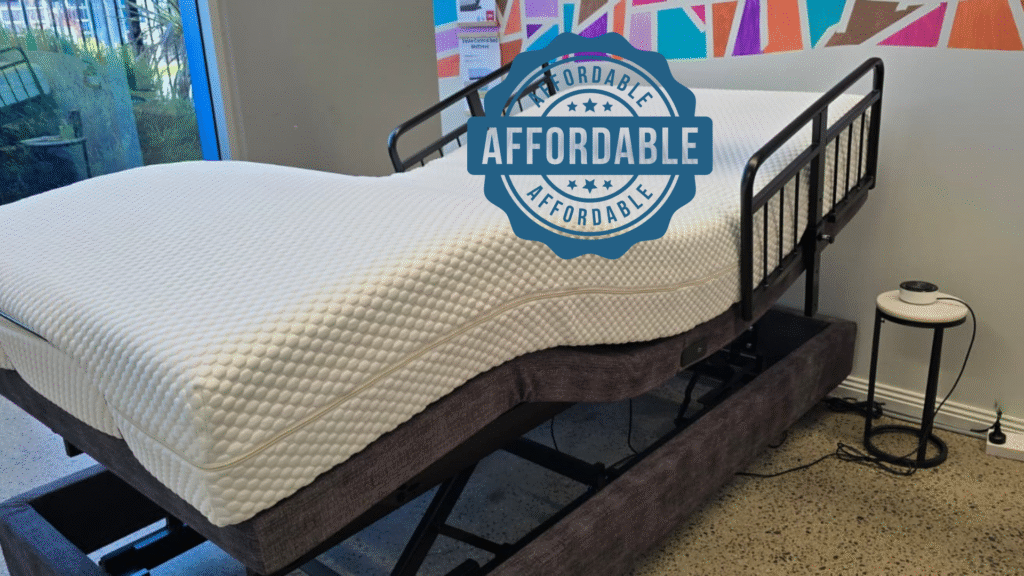
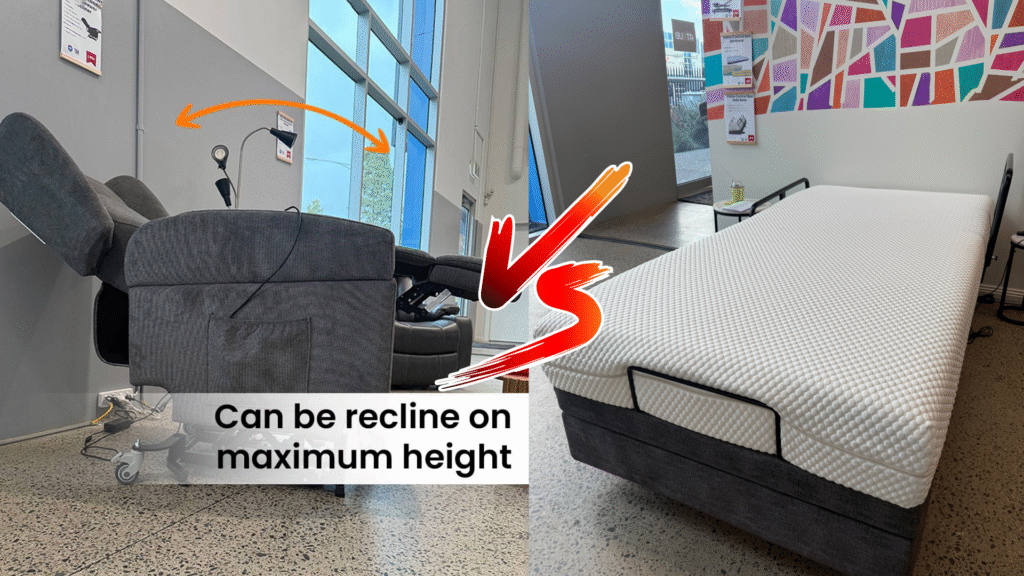
The Importance of Proper Sleep & Comfort During Recovery Recovery at home is greatly influenced by sleep quality, posture, and comfort. Adjustable beds and recliners for home recovery can make a significant difference, whether for seniors, patients recovering from surgery, or individuals with limited mobility. The right furniture supports healing, reduces complications, and enhances overall wellbeing. Selecting the best home care bed or recliner requires understanding the types available, features, and suitability for your health needs. Types of Beds for Home Recovery Choosing the correct bed is crucial for comfort, safety, and rehabilitation. Several options are available in Australia: Adjustable Hi-Low Beds Hi-low beds allow height adjustments, making it easier for carers to assist with transfers and daily care. They reduce strain during caregiving and help patients safely get in and out of bed. Electric Beds Electric beds allow precise positioning of the head, feet, and overall bed angle. These beds are ideal for individuals with pain management needs, limited mobility, or post-surgery recovery. NDIS-Approved Home Care Beds For eligible NDIS participants, home care beds can be funded under assistive technology provisions. These beds meet safety and clinical standards and can be ordered through registered NDIS providers. You can explore our NDIS-approved beds for options suitable for home recovery. Recliners for Daily Comfort & Rehabilitation Recliners complement recovery beds by offering comfort for sitting, reading, or light rehabilitation exercises. Key types include: Manual Recliners Simple to use, these recliners are adjusted manually to suit comfort levels. They are suitable for short-term use or limited mobility needs. Electric Recliners Electric recliners offer motorized adjustments for backrest, leg support, and tilt. These are particularly useful for seniors or patients requiring gradual repositioning without physical strain. Features for Seniors and Mobility Support Look for recliners with supportive cushions, easy-to-use controls, anti-tip designs, and compatible with mobility aids. Adjustable recliners can improve circulation, reduce pressure on joints, and assist with safe transfers. Benefits of Choosing the Right Bed & Recliner Selecting the correct bed and recliner can have multiple health and comfort benefits: Improved Recovery Speed: Proper positioning aids healing and prevents complications. Reduced Risk of Pressure Sores: Adjustable beds relieve pressure points for those spending long periods in bed. Enhanced Mobility and Independence: Beds and recliners with adjustable heights and positions support easier movement and daily activity. Pain Relief and Comfort: Supports targeted adjustments to manage back, leg, or joint pain effectively. Tips for Selecting the Perfect Bed & Recliner To ensure the right choice, consider the following: Assess Individual Needs: Review mobility limitations, health conditions, and caregiving requirements. Consult Healthcare Professionals: Occupational therapists and physiotherapists can provide guidance tailored to the user’s condition. Choose NDIS-Approved Equipment When Applicable: Eligible participants can access funding for beds and recliners through the NDIS. Our store offers a variety of approved options for home recovery. Key Accessories to Enhance Bed & Recliner Use Enhancing your bed or recliner setup can improve safety and comfort: Bed Rails: Provide support for movement and prevent falls. Cushions and Supports: Offer added comfort, spinal alignment, and pressure relief. Side Tables & Trays: Keep essential items within reach, improving independence and convenience. Conclusion & Key Takeaways Adjustable beds and recliners for home recovery are essential for seniors, patients, and individuals with mobility challenges. Properly chosen furniture supports recovery, prevents complications, and enhances daily comfort and independence. When selecting the right solution, consider personal health needs, consult professionals, and explore NDIS-approved options where applicable. Right beds and recliners improve home recovery outcomes Adjustable features prevent pressure sores and support mobility Professional guidance ensures safe and effective selection NDIS-approved options can help with funding and access Explore our range of home care beds & recliners or contact us for expert guidance and tailored solutions. FAQs What types of beds are best for home recovery? Adjustable hi-low beds, electric beds, and NDIS-approved home care beds are ideal for comfort, safety, and support during recovery. How do recliners support recovery at home? Recliners assist with posture, circulation, pain management, and independence, allowing safe sitting and repositioning throughout the day. Are NDIS participants eligible for home care beds? Yes, NDIS-approved beds can be funded for eligible participants, offering safe and clinically approved options. What accessories improve bed and recliner use? Bed rails, cushions, supports, side tables, and trays enhance safety, comfort, and independence. How can I choose the right adjustable bed or recliner? Assess mobility and health needs, consult healthcare professionals, and explore NDIS-approved equipment for suitable options.

How the Right Bed & Recliner Can Improve Recovery & Comfort at Home Read More »

Home Modifications & Simple Devices that Reduce Fall Risks for Seniors

Understanding Fall Risks for Older Adults Falls are one of the most common causes of injury among seniors. Age-related changes in balance, strength, and vision increase the likelihood of accidents at home. Implementing fall prevention for seniors through home modifications and assistive devices can significantly reduce risks and improve safety. Families, carers, and older adults themselves can make small, practical changes that have a big impact on everyday independence. Common Hazards in the Home Awareness of potential hazards is the first step in preventing falls: Slippery Surfaces: Wet floors in kitchens, bathrooms, and entryways can cause sudden slips. Poor Lighting: Dim or uneven lighting can make obstacles hard to see, especially at night. Uneven Flooring and Thresholds: Rugs, raised floorboards, and thresholds increase the risk of tripping. Identifying these hazards allows you to plan targeted safety improvements and select appropriate devices to assist movement. Simple Home Modifications Several cost-effective modifications can make a home safer for seniors: Non-Slip Mats and Rugs: Placing non-slip mats in bathrooms, kitchens, and hallways reduces slipping hazards. Handrails and Grab Bars: Installing grab rails in hallways, bathrooms, and near stairs provides stability. Adequate Lighting and Night Lights: Bright, well-placed lighting helps seniors navigate safely. Motion-sensor night lights are particularly effective. Bathroom Safety Modifications: Shower chairs, raised toilet seats, and grab bars minimize risks in wet areas. These modifications are easy to implement and can prevent serious injuries from falls. AssistiveTechHub offers a variety of these safety solutions for home use. Assistive Devices That Reduce Falls In addition to home modifications, certain devices support mobility and balance: Walkers and Rollators: These provide stability and help seniors move safely indoors and outdoors. Check our walkers category for options. Mobility Scooters: Ideal for seniors who need extra support over longer distances. Visit our mobility scooters page for more information. Cane Accessories and Walking Sticks: These simple aids improve balance and reduce the risk of tripping or falling. Choosing the right assistive devices tailored to individual needs ensures maximum safety and independence. Benefits of Implementing Safety Measures Applying fall prevention measures at home provides multiple benefits: Reduced Risk of Injury: Simple modifications and devices prevent common falls that can lead to fractures or hospitalisation. Increased Independence: Seniors can navigate their home confidently without constant assistance. Peace of Mind for Families and Carers: Knowing the home environment is safe reduces stress and worry. Even minor adjustments, when combined with assistive devices, create a safer, more supportive environment. Getting Professional Help For tailored fall prevention strategies, professional guidance is invaluable: Occupational Therapist Assessments: Professionals can evaluate the home and recommend modifications or devices specific to the senior’s needs. NDIS and Aged Care Funding for Home Modifications: Eligible seniors may access funding for certain safety modifications and mobility aids, reducing costs while improving safety. Consulting experts ensures changes are practical, effective, and suited to individual health requirements. You can contact our team for guidance on choosing appropriate devices and modifications. Conclusion & Key Takeaways Fall prevention for seniors is achievable with simple home modifications and the right assistive devices. Reducing hazards, improving mobility, and implementing practical safety measures create a secure environment for older adults. Combining these solutions with professional advice and available funding options ensures maximum safety and independence. Home modifications and devices: Reduce fall risks significantly Mobility aids: Walkers, mobility scooters, and grab rails enhance safety and confidence Professional assessments: Tailor solutions to individual needs Funding support: NDIS and aged care support can help fund safety improvements Explore fall prevention products in our store or contact us for expert guidance on making your home safer for seniors. FAQs What are the most effective home modifications for seniors? Non-slip mats, handrails, grab bars, proper lighting, and bathroom safety equipment are among the most effective changes. Which assistive devices help prevent falls? Walkers, rollators, mobility scooters, and walking sticks improve balance and reduce the risk of accidents. Can NDIS fund home modifications for fall prevention? Yes, eligible seniors may access NDIS or aged care funding to support certain modifications and safety devices. How do occupational therapists assist with fall prevention? They assess the home environment, identify hazards, and recommend tailored modifications and devices for individual needs. Where can I buy fall prevention equipment in Australia? Certified providers like AssistiveTechHub offer a wide range of safety devices and mobility aids suitable for seniors.

Home Modifications & Simple Devices that Reduce Fall Risks for Seniors Read More »

Heavy-duty power wheelchairs: what makes them bariatric-friendly?

Introduction: Why Bariatric-Friendly Mobility Matters For bariatric wheelchair users, standard power wheelchairs may not provide adequate support, comfort, or durability. Heavy-duty power wheelchairs are specifically designed to accommodate higher weight capacities while ensuring long-term reliability, safety, and independence. These mobility solutions benefit both users and carers, allowing for daily activities with confidence and ease. Choosing the right bariatric-friendly wheelchair requires understanding key features that enhance stability, comfort, and performance. What Defines a Heavy-Duty Power Wheelchair? A heavy-duty power wheelchair is engineered to handle larger body weights, often exceeding 150–200 kg, without compromising stability or performance. Unlike standard models, these wheelchairs incorporate reinforced materials, wider seating, and more powerful motors. They are suitable for bariatric users who require additional support for safe mobility at home or in the community. Key Features That Make Them Bariatric-Friendly Higher Weight Capacity Bariatric power wheelchairs are rated for higher weight limits, supporting users comfortably and safely. This ensures long-term durability, reduces wear on the frame and components, and provides peace of mind for users and carers alike. Reinforced Frames & Stability The frames of heavy-duty wheelchairs are made from strengthened steel or high-grade aluminium to handle additional weight. Enhanced stability mechanisms, such as wider wheelbases and reinforced suspension systems, prevent tipping and improve balance on uneven surfaces. Wider and Ergonomic Seating Bariatric models offer wider seats and ergonomic cushioning to ensure comfort during extended use. Adjustable seating options allow users to maintain proper posture, reduce pressure points, and support overall health and well-being. Stronger Motors & Battery Life Heavy-duty power wheelchairs are equipped with more powerful motors and larger batteries to support higher loads without compromising speed or range. This ensures smooth movement indoors and outdoors, allowing users to remain independent for longer periods. Safety and Comfort Add-Ons Additional features may include anti-tip wheels, adjustable armrests, recline options, seat belts, and padded cushions. These add-ons enhance user comfort while increasing safety during transfers and mobility. Benefits for Users and Carers Independence: Users can navigate daily activities confidently without relying heavily on carers. Comfort: Wider, ergonomic seating reduces discomfort during prolonged use. Safety: Reinforced frames and anti-tip features minimise the risk of accidents. Ease for Carers: Heavy-duty wheelchairs provide stability, reducing strain during transfers or manoeuvres. Popular Bariatric Power Wheelchair Options Browse Bariatric Power Wheelchairs Lightweight Heavy-Duty Power Wheelchair These models vary in features, weight capacity, and mobility options to suit different user needs and environments. Choosing the Right Wheelchair for Your Needs Selecting a bariatric power wheelchair involves: Assessing the user’s weight and mobility requirements. Considering home or community terrain and accessibility. Evaluating seat comfort, adjustability, and support options. Checking motor strength and battery range for daily activities. Consulting with occupational therapists or physiotherapists for tailored recommendations. Home trials are highly recommended to ensure the chair meets all functional and comfort needs before purchase. Conclusion & Key Takeaways Heavy-duty power wheelchairs designed for bariatric users combine reinforced frames, high weight capacity, wider ergonomic seating, and powerful motors. They provide essential support, comfort, and independence, while reducing risk and strain for carers. Selecting the right model, supported by professional guidance and home trials, ensures long-term satisfaction and safe mobility. Browse our bariatric power wheelchairs in the store or contact us for personalised advice and trial options. FAQs What weight can a bariatric power wheelchair support? Most heavy-duty models support 150–200 kg, with some custom options exceeding this range. Are bariatric power wheelchairs suitable for outdoor use? Yes, reinforced frames and stronger motors allow safe navigation on uneven terrain, ramps, and outdoor paths. Can NDIS participants get funding for bariatric power wheelchairs? Yes, NDIS funding can cover heavy-duty wheelchairs if assessed and recommended by a healthcare professional. How do I know if a wheelchair is the right size? Check seat width, depth, and weight capacity, and consider a home trial to ensure comfort and support. What safety features should I look for in a bariatric wheelchair? Look for anti-tip wheels, seat belts, reinforced frames, adjustable armrests, and ergonomic seating.

Heavy-duty power wheelchairs: what makes them bariatric-friendly? Read More »

How to Pick the Best Daily Living Aids for Yourself or Loved Ones

Importance of Choosing the Right Daily Living Aids Daily living aids play a crucial role in helping seniors, people with disabilities, and NDIS participants maintain independence and safety at home. Selecting the right assistive devices for daily living ensures comfort, reduces the risk of accidents, and supports daily tasks effectively. With a wide variety of daily living aids available in Australia, understanding needs and practical considerations is essential to make the best choice for yourself or your loved ones. Assessing Your Needs Before choosing daily living aids, it’s important to evaluate personal requirements: Mobility Requirements: Consider whether a walker, wheelchair, or mobility scooter is necessary for safe movement. Personal Care Needs: Identify areas where assistance is needed, such as bathing, dressing, or grooming. Home Environment Considerations: Take into account space constraints, floor types, and accessibility to ensure the aids fit and function safely within the home. Types of Daily Living Aids Daily living aids cover a range of categories designed to assist with mobility, personal care, and independence: Mobility Aids: Walkers, wheelchairs, and scooters help maintain safe and independent movement. Check our walkers category for suitable options. Bathroom Safety: Grab rails, shower chairs, and raised toilet seats reduce fall risks during personal care tasks. Mealtime and Daily Task Aids: Adaptive utensils, reachers, dressing aids, and pill organizers support daily routines. Communication and Sensory Aids: Devices such as amplified phones, hearing aids, and adaptive technology assist with communication and sensory needs. Key Factors to Consider When selecting daily living aids, focus on: Safety and Durability: Look for high-quality materials, stable designs, and features that prevent accidents. Comfort and Ease of Use: Handles, seats, and control systems should suit the user’s strength and flexibility. Adjustability and Customization: Devices that can be tailored to the user’s height, weight, and mobility preferences improve usability. NDIS or Aged Care Funding Eligibility: Check whether the device qualifies for funding through NDIS-approved daily living aids programs or aged care support services. Tips for Selecting and Trialing Equipment To ensure a successful choice, follow these steps: Professional Assessment: Occupational therapists can assess the individual’s needs and recommend suitable equipment. Home Trials: Trying aids in the actual home environment ensures proper fit, usability, and safety. Consulting with Experts: Use guidance from healthcare professionals and providers to make informed decisions about the best daily living aids. Maintaining and Updating Your Aids Regular maintenance extends the life and effectiveness of daily living aids. Check for wear and tear, ensure moving parts function smoothly, and replace items as needs change. Reviewing equipment periodically guarantees continued safety and comfort. Conclusion & Key Takeaways Selecting the right daily living aids improves independence, safety, and quality of life for seniors, carers, and NDIS participants. Careful assessment, professional guidance, and trialing equipment ensure the best fit for individual needs. Regular maintenance and review help keep aids effective over time. Correct daily living aids enhance independence and safety Professional assessments and home trials ensure the best fit Consider comfort, durability, and funding options Regularly review and maintain aids to preserve effectiveness Explore daily living aids in our store or contact us for expert advice on choosing the right equipment for yourself or a loved one. FAQs What are daily living aids? Daily living aids are tools and devices that assist with mobility, personal care, and everyday tasks, helping seniors and NDIS participants remain independent. How do I know which aid is best for my needs? Assess mobility, personal care requirements, home environment, and consult healthcare professionals for tailored recommendations. Are daily living aids covered by NDIS or aged care funding? Yes, many NDIS-approved and aged care equipment items may be funded if recommended by an occupational therapist. Can I trial equipment before purchasing? Yes, home trials or assessments by professional providers help ensure safety and usability before making a purchase. Where can I buy reliable daily living aids in Australia? AssistiveTechHub provides certified, NDIS-approved equipment including walkers, mobility scooters, wheelchairs, and adaptive devices.

How to Pick the Best Daily Living Aids for Yourself or Loved Ones Read More »

Top 5 bed rails for seniors in Australia: safety & comfort compared.

Introduction: Why Bed Rails Are Essential for Senior Safety Bed rails play a crucial role in providing safety and support for seniors and individuals with limited mobility. They prevent falls, assist with getting in and out of bed, and provide a stable handhold for independent movement. Whether for home care, aged care facilities, or hospital-style beds, selecting the right bed rail can make a significant difference in daily comfort and safety. Choosing bed rails that match the type of bed, user needs, and funding options ensures both practical support and peace of mind for seniors and caregivers. Key Features to Look for in Bed Rails When selecting bed rails for aged care or home use, consider: Adjustability: Rails that move up or down for easy access. Portability: Lightweight, foldable, or removable rails for travel or temporary use. Compatibility: Designed for specific beds like Hi-Low beds or portable power beds. Safety Standards: Sturdy materials and reliable locking mechanisms. Ease of Use: Simple operation for both seniors and caregivers. These features help ensure that the rails provide support without compromising comfort or accessibility. Top 5 Bed Rails for Seniors in Australia 1. Foldable Steel Side Rails View Foldable Steel Side Rails Durable steel construction for long-term use Foldable design for easy access and storage Suitable for standard aged care beds Provides high stability and safety 2. Portable Bed Rails View Portable Bed Rails Lightweight and easy to transport Ideal for home care or temporary setups Simple installation without tools Supports seniors in independent bed movement 3. Side Rails for Voice Control Bed View Voice Control Bed Integrated rails compatible with motorised voice-controlled beds Adjustable positioning for safety and comfort Enhances independent use of bed functions Perfect for seniors requiring power-assisted beds 4. Portable Power Bed with Side Rails View Portable Power Bed with Side Rails Combines a powered bed with secure side rails Ideal for home care and clinical environments Easy adjustment for sitting or lying positions Adds both mobility and safety support 5. Integrated Rails in Hi-Low Beds View Aged Homecare Hi-Low Bed Rails built into the Hi-Low bed frame for maximum stability Adjustable height and positioning Provides both safety and ease of bed entry/exit Compatible with NDIS and SWEP funding in Victoria Benefits of Using Bed Rails in Aged Care Bed rails are more than a safety feature. Benefits include: Preventing falls during sleep or mobility transitions Assisting with bed positioning and independence Offering support for caregivers during transfers Enhancing confidence and security for seniors The right bed rail enhances both safety and daily comfort. NDIS & Funding Options for Bed Rails Many bed rails, especially those integrated with aged care beds or portable power beds, can be funded under NDIS or SWEP programs in Victoria and across Australia. Funding typically requires: Assessment by an occupational therapist or physiotherapist Evidence of mobility needs or safety risks Recommendation for specific rail types Assistive Tech Hub supports clients in navigating funding applications and selecting NDIS-approved beds and accessories. Conclusion: Choosing the Right Bed Rails for Comfort & Peace of Mind Selecting bed rails for seniors requires consideration of safety, ease of use, adjustability, and compatibility with existing beds. Whether it’s foldable steel rails for home use, portable rails for temporary setups, or integrated rails in Hi-Low beds, the right choice promotes independence, comfort, and security. Explore our full range of aged care beds and accessories or contact us for expert guidance on NDIS-approved bed rails. FAQs Are foldable bed rails safe for seniors? Yes, foldable steel side rails meet safety standards and provide reliable support while allowing easy access to the bed. Can portable bed rails be used on any bed? Most portable rails fit standard bed frames but always check compatibility with your bed type. Are there NDIS-approved bed rails? Yes, many rails integrated with aged care beds, Hi-Low beds, and portable power beds are eligible for NDIS funding. What is the advantage of integrated rails in Hi-Low beds? Integrated rails provide maximum stability and ease of use, reducing the risk of falls and aiding in independent bed positioning. Can bed rails be used for short-term care or travel? Portable bed rails are ideal for temporary setups, travel, or home care needs.

Top 5 bed rails for seniors in Australia: safety & comfort compared. Read More »

Mobility Scooters vs Walkers: Matching the Aid to Your Lifestyle

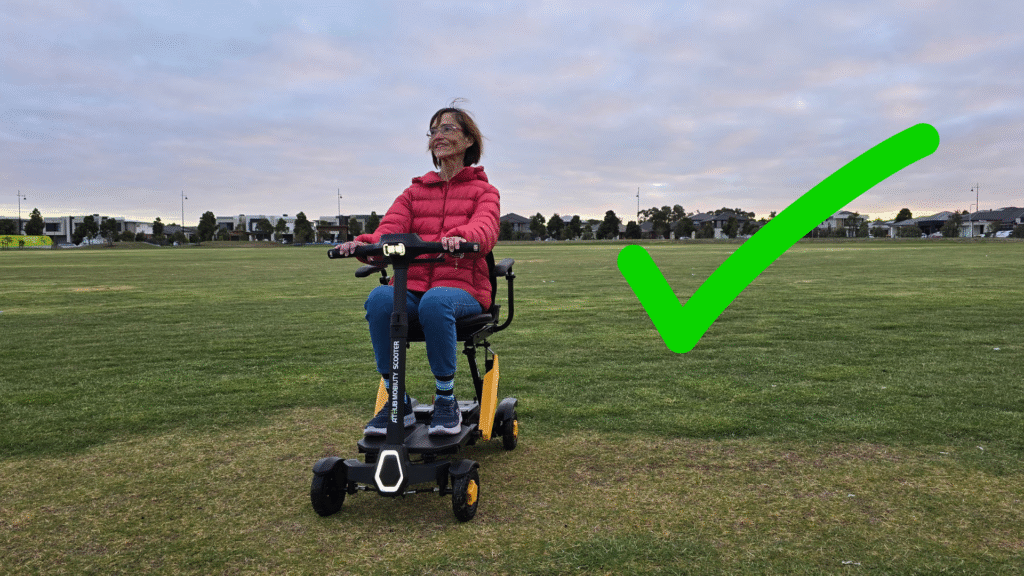
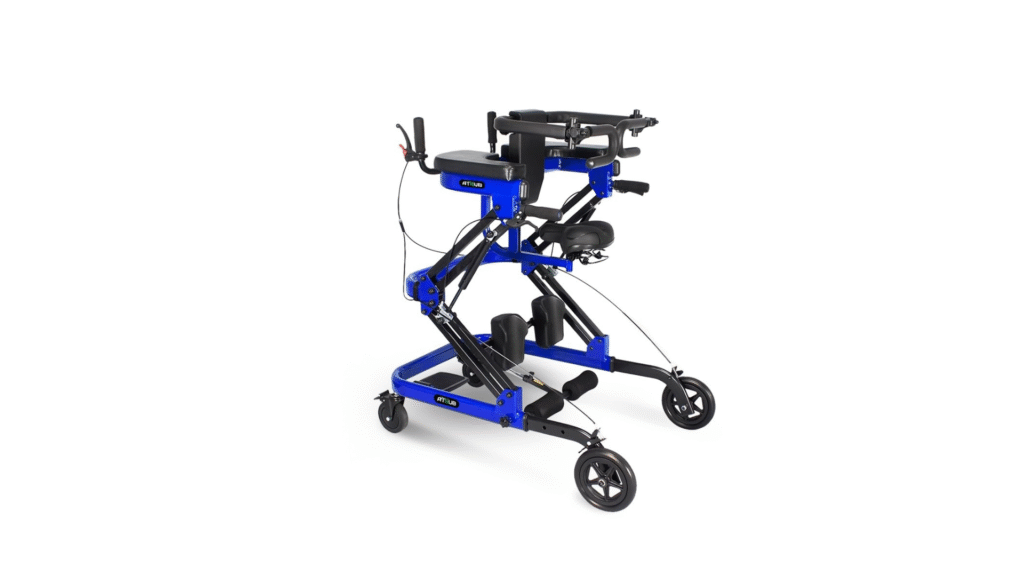
Why Choosing the Right Mobility Aid Matters Selecting the right mobility aid can dramatically impact independence, safety, and quality of life for seniors and people with mobility challenges. Understanding the differences between mobility scooters vs walkers helps you choose the solution that best fits your home, community, and daily activities. Using the appropriate device ensures energy conservation, reduces risk of falls, and supports long-term mobility. Assessing Your Needs Before selecting a mobility aid, it’s essential to evaluate personal requirements: Mobility Level: Consider how far and how often you move independently. Walkers support short indoor or outdoor distances, while scooters are ideal for longer trips. Home and Community Environment: Narrow hallways, stairs, and uneven surfaces affect which device is suitable. Foldable mobility scooters offer portability, while lightweight walkers are easy to manoeuvre indoors. Daily Activity Patterns: Think about daily routines, including shopping, errands, and social outings, to determine which aid supports your lifestyle best. Pros and Cons of Walkers Walkers are common mobility aids that provide stability and balance: Types of Walkers: Standard walkers, walkers with wheels, and rollators with seats. Walkers category offers a range of options. Benefits: Excellent stability and support for short distances Lightweight and easy to store Often suitable for home use and narrow spaces Limitations: Limited speed and distance capability Requires physical effort to move continuously Walkers are ideal for seniors who need support with balance but can manage short indoor or outdoor distances independently. Pros and Cons of Mobility Scooters Mobility scooters provide powered movement, conserving energy and supporting longer distances: Types of Scooters: Three-wheel scooters, four-wheel scooters, and foldable portable scooters. Visit our mobility scooters page for options. Benefits: Travel longer distances with minimal effort Suitable for outdoor use and community mobility Comfortable seating with support features Limitations: Bulkier than walkers, may not fit in all indoor spaces Requires storage space and battery charging Higher cost compared to walkers Mobility scooters are ideal for users who need to conserve energy, travel outdoors, or cover longer distances independently. Factors to Consider When Choosing Between Them Choosing the right mobility aid depends on several key factors: Health and Mobility Conditions: Assess physical strength, balance, and endurance. Some users may benefit from a combination of both devices. Lifestyle and Daily Routines: Consider your home layout, outdoor activities, and frequency of travel. Budget and Funding: NDIS and aged care support can assist in funding NDIS-approved mobility aids, reducing financial barriers for participants. Professional advice ensures your choice is both safe and suitable for your lifestyle. Tips for Trialing Mobility Aids Testing aids before purchase helps ensure suitability: Professional Assessment: Occupational therapists can recommend devices based on your specific mobility needs. Home or Community Trials: Try the aid in the environment where it will be used, checking manoeuvrability and comfort. Adjustability and Safety Checks: Ensure handles, seats, and controls are adjustable and that safety features are functional. Conclusion & Key Takeaways Choosing between mobility scooters vs walkers requires understanding your health, environment, and lifestyle needs. Selecting the right device promotes independence, safety, and confidence. Walkers are best for short distances and indoor stability Scooters support longer distances and reduce physical effort Professional trials and assessments ensure correct fit and usability NDIS and aged care funding may assist in acquiring suitable aids Explore our range of mobility aids or contact us for guidance in choosing the right device for your lifestyle. FAQs How do I decide between a walker and a mobility scooter? Consider distance travelled, energy levels, home layout, and outdoor activity needs. Professional assessments help determine the best option. Are mobility scooters suitable for indoor use? Some compact and foldable scooters can be used indoors, but walkers are generally easier to manoeuvre in tight spaces. Can I get funding for mobility aids through NDIS? Yes, eligible participants may access NDIS-approved mobility aids to help cover costs. What are the maintenance requirements for scooters and walkers? Scooters require battery charging and occasional servicing; walkers need minimal maintenance but should be checked for stability regularly. Where can I trial mobility aids in Australia? Certified providers like AssistiveTechHub offer professional assessments and home/community trials to find the right fit.

Mobility Scooters vs Walkers: Matching the Aid to Your Lifestyle Read More »

Wooden vs metal walking sticks: which is right for you?

Introduction: Why Choosing the Right Walking Stick Matters A walking stick is more than a mobility aid—it provides balance, support, and confidence for seniors and people with mobility challenges. The right stick depends on your lifestyle, comfort preferences, and daily activities. Both wooden and metal walking sticks are trusted options, each with unique advantages. The right choice ensures safer movement indoors, outdoors, and during rehabilitation. Understanding the differences helps you pick a stick that suits your needs. Key Features of Wooden Walking Sticks Wooden walking sticks have a timeless appeal and sturdy feel. Features include: Durability: Made from hardwoods like oak, ash, or maple for lasting support. Classic Design: Smooth, polished finish with a traditional look. Weight: Heavier feel, offering a stable and grounded experience. Fixed Size: Typically non-adjustable, though custom lengths are available. These sticks suit users who value aesthetics, heritage style, and steady indoor use. Key Features of Metal Walking Sticks Metal sticks, often made from aluminium or lightweight alloys, are popular for flexibility. Key features include: Lightweight: Easy to handle for longer walks or outdoor activities. Adjustable Height: Telescopic settings allow custom fit for comfort. Foldable Options: Compact designs that pack neatly for travel. Durable Build: Strong, reliable, and designed for daily use. Metal sticks are ideal for active seniors, commuters, and people needing adjustable or portable options. Pros and Cons: Wooden vs Metal Feature Wooden Walking Stick Metal Walking Stick Weight Heavier, stable feel Lightweight, portable Style Traditional, polished look Modern, functional design Adjustability Fixed height Adjustable and foldable Durability Strong, may chip Resistant to wear Portability Not travel-friendly Easy to store and carry Wooden sticks excel in stability and charm, while metal sticks provide flexibility and travel convenience. Which Walking Stick Suits Different Lifestyles? Daily Home Use: Wooden sticks are dependable for indoor walking. Active Seniors Outdoors: Lightweight, adjustable metal sticks are a better fit. Rehabilitation: Adjustable metal sticks help therapists fine-tune support. Travel & Public Transport: Foldable designs are compact and easy to carry. Adjustable, Foldable, and Seated Options Modern walking sticks also offer multifunctional designs: Adjustable Metal Sticks: Customised height for comfort and posture. Foldable Designs: Compact sticks for storage and travel convenience. Walking Stick with Seat: Dual-purpose sticks that also provide a resting seat. See our Walking Stick with Seat for outdoor use. NDIS and Funding Support for Walking Aids Many walking sticks, including adjustable and foldable models, may be funded under NDIS in Victoria. Eligibility is based on: Assessment by an occupational therapist or physiotherapist Individual mobility and safety needs Recommendations for independent living Assistive Tech Hub can guide you through NDIS options and arrange home trials if required. Conclusion: Finding Your Perfect Walking Stick Wooden and metal walking sticks both provide dependable support. Wooden models bring classic style and stability, while metal options deliver adjustable, lightweight, and travel-ready convenience. By considering lifestyle, comfort, and portability, you can choose the stick that best improves safety and independence. Visit our Walking Stick Category or Contact Us for expert guidance. FAQs Which walking stick is best for seniors at home? Wooden sticks provide stable support for indoor use. Are metal walking sticks adjustable? Yes, many are height-adjustable and some fold for travel. Can I get NDIS funding for a walking stick? Yes, with a clinical recommendation, many types are eligible. What is a walking stick with a seat? It’s a stick that doubles as a portable seat, great for resting outdoors or while commuting. How do I decide between wooden and metal sticks? Choose wooden for stability and style, or metal for flexibility and travel.

Wooden vs metal walking sticks: which is right for you? Read More »

Compare Products

Scroll to Top