Assistive Tech Hub

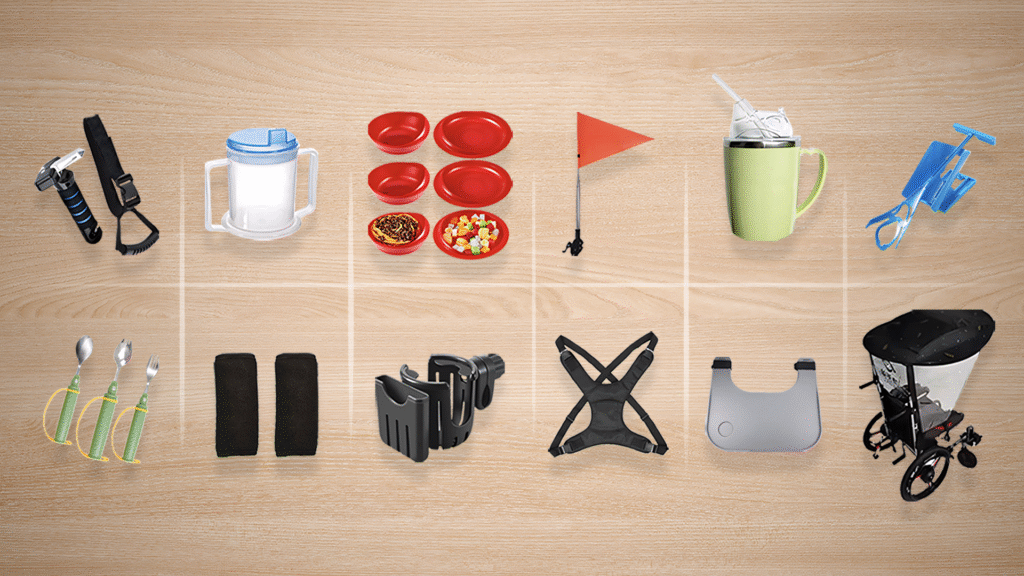
Must-have accessories to enhance your mobility aid’s performance.

Introduction: Why Accessories Matter for Mobility Aids Mobility aids such as wheelchairs, walkers, scooters, and canes are essential for independence, but small accessories can make a big difference in daily life. The right add-ons improve comfort, safety, and convenience, making everyday tasks easier and enhancing mobility confidence. Accessories range from storage solutions to safety devices and weather protection. Incorporating these into your mobility setup can transform your experience at home, outdoors, and on the move. Storage & Carrying Solutions Efficient storage is one of the most practical ways to enhance your mobility aid. Wheelchair Bag: Keep essentials like wallets, keys, and medications handy. Check our Wheelchair Bag. Portable Shopping Bag for Scooter: Ideal for grocery trips or errands. See Portable Shopping Bag for Scooter. Portable Walker Tray: Carry meals, documents, or personal items with ease. Available here: Portable Walker Tray. Shopping Bag Hook: Hang bags securely from scooters or wheelchairs. View Shopping Bag Hook. These solutions free hands and make daily mobility more practical, especially for seniors or carers managing multiple tasks. Comfort & Safety Add-Ons Accessories that improve comfort and safety ensure longer, safer usage of mobility aids. Wheelchair Leg Strap Restraints: Maintain leg positioning for stability and safety. Check Wheelchair Leg Strap Restraints. Walker Padded Hand Grip Cover: Reduce strain and improve grip. Available here: Walker Padded Hand Grip Cover. Wheelchair Table: Useful for meals, reading, or devices. See Wheelchair Table. These accessories support posture, reduce fatigue, and make long periods of mobility aid use more comfortable. Weather & Outdoor Protection Outdoor conditions can be challenging for mobility aid users. Accessories designed for weather and visibility improve safety and usability. Wheelchair Umbrella: Shields users from rain or sun. Check Wheelchair Umbrella. Mobility Scooter Flag: Improves visibility in crowded or low-light areas. See Mobility Scooter Flag. These items ensure independence outdoors without compromising safety or comfort. Everyday Convenience Items Small, everyday add-ons make mobility aids more practical for routine tasks: Universal Cane Holder: Keep a cane within reach at all times. View Universal Cane Holder. Wheelchair Cup Holder: Carry beverages safely. See Wheelchair Cup Holder. These accessories reduce the need for assistance and simplify daily living. Choosing the Right Accessories for Your Lifestyle When selecting accessories, consider: Daily Activities: Which items will make routine tasks easier? Environment: Are you mostly indoors, outdoors, or commuting? Type of Mobility Aid: Ensure accessories fit wheelchairs, walkers, or scooters. NDIS or SWEP Funding Eligibility: Many practical accessories are eligible for funding in Victoria. Customising your mobility aid with the right add-ons can increase independence, safety, and overall quality of life. NDIS and Funding Support for Mobility Accessories Many accessories, from trays to cup holders, can be supported under NDIS plans in Victoria. Funding eligibility typically depends on: Clinical assessment by an occupational therapist Daily support needs of the individual Equipment recommendations for independent living Assistive Tech Hub provides guidance for NDIS-supported purchases and can help arrange home trials or demonstrations. Conclusion: Small Add-Ons, Big Improvements in Mobility Independence Mobility aid accessories are practical, everyday helpers rather than luxury items. From bags and trays to umbrellas and cup holders, these add-ons improve safety, comfort, and independence. Integrating the right accessories with wheelchairs, walkers, or scooters ensures daily tasks are easier and enhances overall mobility confidence. Visit our Store or Contact Us for advice and a full range of mobility aid accessories. FAQs Are mobility aid accessories necessary? While not essential, they greatly improve comfort, safety, and convenience for daily use. Can NDIS cover wheelchair or scooter accessories? Yes, many practical accessories such as trays, bags, and holders may be funded under NDIS plans in Victoria. How do I choose the right accessories? Consider your daily activities, type of mobility aid, environment, and funding eligibility. Can accessories be added to any wheelchair or walker? Most accessories are universal or adjustable, but check compatibility with your mobility aid. Do accessories make mobility aids heavier or harder to use? Most modern accessories are lightweight and designed for ease of use without impacting mobility.

Must-have accessories to enhance your mobility aid’s performance. Read More »

Lightweight vs standard manual wheelchairs: which suits daily use?

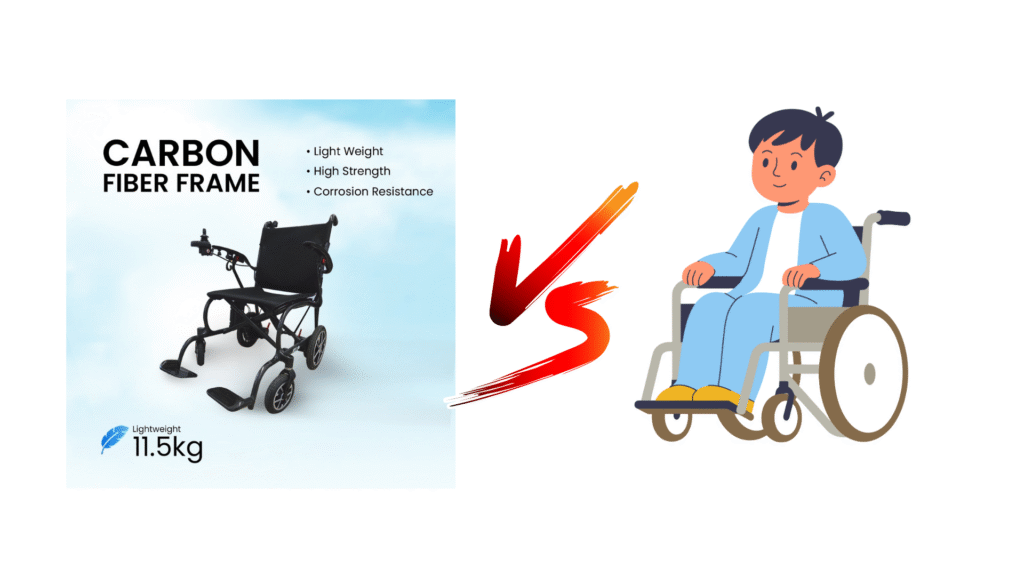
 Introduction: Choosing the Right Wheelchair for Everyday Life Selecting the right manual wheelchair is key for daily independence, comfort, and mobility. Users, carers, and healthcare professionals need to consider weight, portability, durability, and frequency of use when choosing between a lightweight manual wheelchair and a standard manual model. The right wheelchair can improve posture, reduce fatigue, and make travel and day-to-day activities easier. What Defines a Lightweight Manual Wheelchair? A lightweight manual wheelchair is designed to be easy to propel, transport, and store. Typical features include: Aluminium or composite frame for reduced weight   Foldable design for travel and storage   Quick-release wheels for easy removal   Adjustable components for a personalised fit   Lightweight wheelchairs are ideal for frequent users, active lifestyles, and those needing portability for car travel or public transport. You can view our Ultra-Light Folding Manual Wheelchair for a practical option. Features of Standard Manual WheelchairsA standard manual wheelchair is built with stability and durability in mind. Common features include: Steel or reinforced frame for long-term use   Fixed or removable footrests   Simple design with fewer adjustments   Heavier weight compared to lightweight models   These chairs are well-suited for users who require reliable support, are less mobile, or use a wheelchair mainly indoors. See more options in our Manual Wheelchairs category. Key Differences: Lightweight vs Standard Designs Feature Lightweight Manual Wheelchair Standard Manual Wheelchair Weight Light, easy to push and transport Heavier, more durable Portability Foldable, quick-release wheels Limited portability Durability Moderate, suitable for active users High, ideal for long-term daily use Adjustability Height, footrests, armrests adjustable Limited adjustments Cost Higher due to materials and design Generally more affordable Use Daily, travel, frequent activity Indoor use, long-term stability Benefits of Lightweight Manual Wheelchairs for Daily Use Easier to self-propel and push   Convenient for travel, transport, and public transit   Adjustable to suit user height and posture   Reduces strain on carers or users   Suitable for active users who move frequently   When a Standard Manual Wheelchair May Be Better Users need maximum stability and durability   Mainly indoor use with minimal travel   Budget-friendly solution   Lower maintenance requirements   Users with higher weight support needs   How to Decide: Matching the Chair to Lifestyle and Needs Consider the following factors when choosing between lightweight and standard manual wheelchairs: Frequency of Use – Daily, travel, or occasional use   User Strength – Ability to self-propel comfortably   Transport Needs – Car travel or public transport   Environment – Indoor vs outdoor usage   Budget – Lightweight models may cost more but offer portability   A consultation with a healthcare professional or occupational therapist ensures the right fit for posture, comfort, and daily requirements. NDIS and Wheelchair Funding Options Many manual wheelchairs, including lightweight options, may be NDIS-approved in Victoria. Funding covers: Personal mobility equipment for home or community use   Occupational therapist assessments for wheelchair selection   Travel-friendly or adjustable options for daily independence   Contact Assistive Tech Hub for guidance on NDIS funding and home trials to ensure the wheelchair suits your lifestyle. Conclusion: Finding the Right Fit for Mobility Independence Choosing between a lightweight and standard manual wheelchair depends on your mobility needs, daily routines, and lifestyle. Lightweight wheelchairs provide portability and ease of use for active users, while standard manual wheelchairs offer durability and stability for long-term use. NDIS funding and professional advice help make the best choice for independence and comfort. Visit our Store or Contact Us to view available options and arrange consultations. FAQs What is the main advantage of a lightweight manual wheelchair? Lightweight wheelchairs are easy to propel, fold, and transport, making them ideal for active users. Can a standard wheelchair be folded for travel? Some standard models fold, but they are generally heavier and less convenient than lightweight versions. Are lightweight manual wheelchairs suitable for seniors? Yes, if the user has enough strength to self-propel or a carer assists with pushing. Are lightweight wheelchairs NDIS-approved in Victoria? Many lightweight and standard manual wheelchairs are eligible for NDIS funding when prescribed by an allied health professional. How do I choose between lightweight and standard wheelchairs? Consider user strength, frequency of use, travel needs, environment, and budget. Professional consultation helps ensure the best fit.

Lightweight vs standard manual wheelchairs: which suits daily use? Read More »

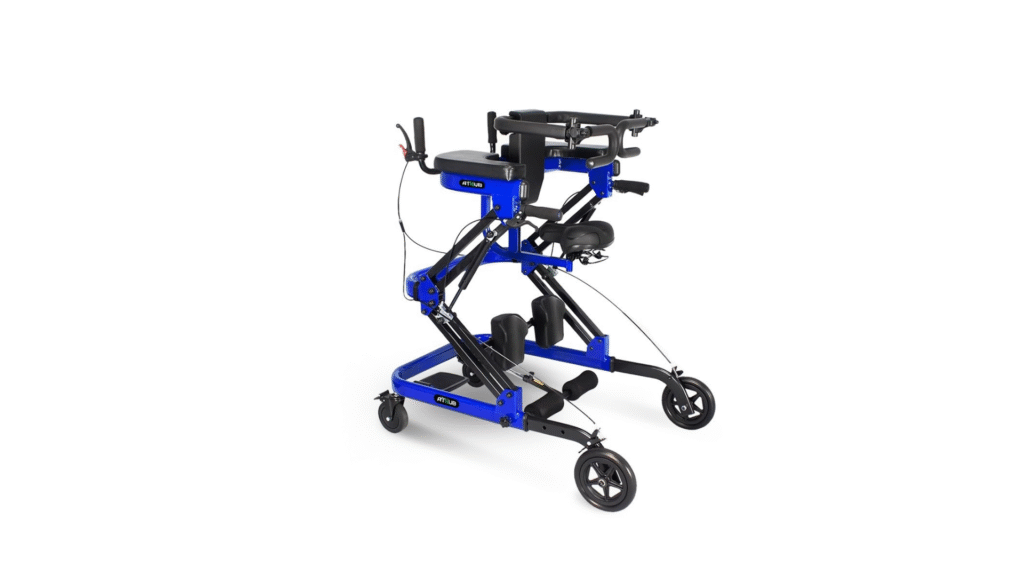
Gait trainers vs walkers: key differences and benefits.

Introduction: Why Choosing the Right Walking Aid Matters Walking aids play a crucial role in rehabilitation, mobility, and independence for children, adults, and seniors with physical challenges. Selecting the correct aid ensures safety, proper posture, and effective mobility development. Two commonly used walking aids are gait trainers and walkers. While they may look similar, each serves a distinct purpose in supporting mobility and therapy goals. Understanding the differences helps families, carers, and therapists make informed decisions for their loved ones or clients. What Is a Gait Trainer? A gait trainer is a specialised walking aid designed to provide maximum support for users who are learning to walk or need assistance in walking safely. Key features include: Supportive harnesses or trays for posture and weight distribution Adjustable frame to fit different sizes High stability for children or adults during rehab Ability to encourage correct walking patterns and therapy exercises Gait trainers are particularly useful for children with developmental delays, neurological conditions, or adults recovering from injury or surgery. For more information, see our Gait Trainer category. What Is a Standard Walker? A standard walker is a mobility aid designed to provide basic support for standing and walking. Key characteristics include: Four legs with rubber tips or wheels for stability Lightweight and often foldable for transport Designed for users who can bear some weight independently Used in homes, aged care facilities, or rehabilitation settings Walkers are ideal for adults or seniors who require stability for short distances but do not need full support or gait training features. Check our Store for a range of walkers. Key Differences Between Gait Trainers and Walkers Feature Gait Trainer Standard Walker Purpose Rehabilitation, gait training, posture support Basic mobility, stability, support for walking Design Harness, tray, adjustable frame, posture support Lightweight, foldable, no harness, basic support Support Level High – full body or trunk support Moderate – supports hands and arms, minimal trunk support User Group Children, adults in therapy, NDIS clients Seniors, adults with mild mobility limitations Adjustability Highly adjustable for therapy needs Limited adjustability for height NDIS Eligibility Often NDIS funded for therapy and rehab May be funded if medically necessary Benefits of Gait Trainers Promote correct walking patterns Provide full support for children or adults learning to walk Adjustable to suit growth and therapy progression Safe for home, school, and clinical use Useful for intensive physiotherapy or rehabilitation Benefits of Walkers Lightweight and easy to use Foldable for storage and transport Provide stability for independent walking Affordable and practical for seniors and adults with mild mobility challenges Suitable for indoor and outdoor use Which Option Is Right for You? Choosing between a gait trainer and a walker depends on: Age and size of the user Mobility level and physical strength Rehabilitation or therapy goals Support needs (full body vs. hand/trunk support) Funding eligibility through NDIS or SWEP in Victoria For children or adults requiring therapy, a gait trainer is usually the preferred choice. Seniors or independent adults may benefit more from a walker for everyday mobility. NDIS and Funding Options for Walking Aids Many gait trainers and mobility walkers are eligible for NDIS funding in Victoria. This includes: NDIS gait trainer options for children and adults Gait trainer walker hire or purchase for therapy Occupational therapist assessments for eligibility Families can contact Assistive Tech Hub for guidance on NDIS-funded walking aids and home trials to ensure proper fit and support. Recommended Product A versatile option is the Gait Trainer Walker, which combines stability, posture support, and adjustable features suitable for children and adults in rehabilitation. See our full Gait Trainer category for other options. Conclusion Gait trainers and walkers each serve important but different roles in mobility support. While gait trainers provide therapy-focused, full-body support, walkers offer stability for independent movement. Selecting the right aid depends on age, mobility needs, therapy goals, and funding options. For personalised guidance, families and carers can contact Assistive Tech Hub to arrange advice or a home trial. FAQs Can gait trainers be used for adults as well as children? Yes, gait trainers are available in sizes suitable for adults in rehabilitation or with mobility challenges. Are walkers or gait trainers covered by NDIS? Many models are NDIS-funded, particularly for therapy or rehabilitation purposes. What factors determine whether to choose a gait trainer or walker? User age, mobility level, therapy goals, and support needs determine the best option. Can gait trainers be adjusted as a child grows? Yes, gait trainers are highly adjustable to accommodate growth and therapy progression. Is a home trial possible before purchase? Yes, home trials ensure the device fits the user’s environment and mobility needs.

Gait trainers vs walkers: key differences and benefits. Read More »

How to choose the right wheelchair for a child with mobility needs.

Introduction: Why the Right Wheelchair Matters For children with mobility challenges, the right wheelchair is more than just a mobility aid—it supports independence, comfort, and participation in everyday activities. Selecting a wheelchair that fits a child’s size, needs, and lifestyle ensures they can move safely and confidently at home, school, and in the community. Choosing incorrectly can affect posture, limit mobility, and even cause discomfort or injury over time. That’s why parents, carers, and allied health professionals must carefully assess options, features, and funding possibilities when selecting a paediatric wheelchair. Understanding Paediatric Wheelchairs A paediatric wheelchair is specifically designed for children and young NDIS participants. Unlike standard adult wheelchairs, these models take into account: Smaller frame sizes Adjustability for growth Lightweight construction for easier manoeuvring Customisable support for posture and mobility needs Paediatric wheelchairs are available in manual, powered, and tilt-in-space variants, depending on the child’s strength, activity level, and clinical requirements. Key Features to Consider When selecting a wheelchair for a child, it is important to assess several critical features: 1. Size and Adjustability Ensure the chair fits the child’s current height and weight while allowing for growth. Adjustable seat depth, backrest height, and footrests provide long-term usability. 2. Comfort and Safety Padding, supportive seating, and secure harnesses or belts help maintain posture and prevent fatigue. Safety features like wheel locks and anti-tip bars are essential. 3. Manual vs. Tilt-in-Space Options Manual wheelchairs: Suitable for children who can self-propel or have a carer to push. Tilt-in-space wheelchairs: Allow adjustments in seating angle, providing pressure relief and posture support for children with higher care needs. 4. Portability and Folding Features Folding wheelchairs make transport easier for outings, school trips, or family activities. Consider lightweight foldable options if frequent travel is expected. 5. Lightweight vs. Heavy-Duty Models Lightweight chairs are easier for children and carers to manoeuvre, while heavy-duty chairs provide robust support for children with higher care needs. 6. Customisation for Special Needs Custom cushions, lateral supports, and specialised seating may be required for children with complex mobility or posture requirements. Many options are available under NDIS paediatric wheelchair programs. NDIS and Funding Options for Paediatric Mobility Equipment Many paediatric wheelchairs in Victoria are eligible for NDIS funding. Parents and carers can access: NDIS-funded paediatric wheelchairs Assistive wheelchairs for young NDIS clients Occupational therapist assessments for funding approval Funding ensures children receive wheelchairs that meet their specific mobility and postural requirements without undue financial burden. Allied health professionals can guide families through the application process. Role of Allied Health Professionals in Selection Occupational therapists and physiotherapists are crucial in choosing the right wheelchair. Their guidance includes: Assessing posture, strength, and mobility needs Measuring for accurate size and fit Recommending features such as tilt, support cushions, or footrests Ensuring safe and effective use at home, school, and in the community Professional input helps parents make informed decisions and maximises the child’s independence and comfort. Home Trials: Ensuring the Right Fit for Your Child Home trials allow families to test wheelchairs in everyday environments, checking: Manoeuvrability through doorways and rooms Comfort during school or play activities Ease of folding, transport, and storage Suitability for car rides or outings Booking a home trial through AssistiveTechHub ensures the chosen wheelchair meets both functional and lifestyle needs. Recommended Product A reliable option is the Growmate Paediatric Wheelchair, which combines adjustability, lightweight design, and comfort suitable for growing children. For more options, view our full paediatric wheelchairs category or browse the store. Conclusion Choosing the right wheelchair for a child improves independence, mobility, and overall quality of life. With the support of NDIS funding, allied health assessments, and home trials, families can confidently select a wheelchair tailored to their child’s needs. Contact AssistiveTechHub for personalised advice and assistance with selecting or trialling a paediatric wheelchair. FAQs What is the difference between a manual and tilt-in-space paediatric wheelchair? Manual chairs require the child or carer to propel the chair, while tilt-in-space models allow adjustments in seating angle for posture support and comfort. Can I get funding for a paediatric wheelchair through NDIS? Yes, many paediatric wheelchairs are NDIS-funded or supported through allied health professional recommendations. How do I know which size wheelchair fits my child? Wheelchair size depends on the child’s height, weight, and posture. Adjustable features allow the chair to grow with the child. Are home trials available for paediatric wheelchairs? Yes, home trials help families ensure the wheelchair is safe, comfortable, and practical in real-life settings. Can custom seating or cushions be added to a paediatric wheelchair? Yes, customisation options are available for children with specific mobility or postural needs.

How to choose the right wheelchair for a child with mobility needs. Read More »

Top 10 Daily Living Aids That Make Life Easier for Seniors

Introduction: Why Daily Living Aids Matter Daily living aids are essential tools that help seniors and people with disabilities maintain independence, safety, and comfort at home. Simple devices can make routine tasks such as eating, dressing, or moving around much easier. For carers and families, these aids reduce strain while enhancing the quality of life for elderly loved ones. What Are Daily Living Aids? Daily living aids are devices designed to assist with everyday activities. They are part of assistive technology Victoria and aged care equipment, helping seniors perform tasks safely without relying entirely on others. These aids include mobility devices, dressing aids, kitchen tools, bathroom safety products, and more. Benefits of Assistive Devices for Seniors Promote independence and self-reliance   Reduce risk of falls and injuries   Support therapeutic needs and proper posture   Make routine tasks faster and easier   Often NDIS-approved or SWEP-supported for funding   Using the right daily living aids can significantly improve daily life, especially for seniors managing mobility or dexterity challenges. Top 10 Daily Living Aids for Seniors Here are ten practical aids that make daily tasks easier for seniors, with links to products available in our store: 1. Wireless Caregiver Pager A simple paging system allows seniors to alert carers quickly in case of need, providing safety and peace of mind. 2. Tableware Spoon Set Ergonomic spoons designed for seniors with reduced grip strength or tremors. Makes eating more comfortable and independent. 3. Car Assist Handle Set Provides extra support when getting in and out of vehicles, improving safety and reducing strain on joints. 4. Multi-Purpose Dressing Stick Helps seniors put on clothing without bending or stretching, promoting independence in dressing. 5. Foldable Grabber Reacher with Magnet A lightweight, foldable tool to reach items from shelves or pick up small objects, ideal for seniors with limited mobility. 6. Elderly Care Bowls Non-slip, lightweight bowls designed for safe and easy use during meals. Reduces spills and frustration. 7. Nursing Cup with Straw / Double Handled Cup / Double Handled Cup Assist seniors with drinking independently, especially those with reduced hand strength or coordination issues. 8. Sock Holder Allows seniors to put on socks without bending, helping maintain independence and comfort. 9. Bath Brush & Leg Lifter Foot Loop / Leg Lifter Foot Loop Essential for safe bathing and personal hygiene, allowing seniors to wash hard-to-reach areas without strain. 10. Door Alarm & Safety Portable Locks / Safety Portable Locks Improve security and safety at home, alerting carers to movement or unauthorized access. Additional helpful aids include Wheelchair Safe Belts and Disposable Toilet Seat Covers, which add comfort and hygiene support. NDIS and Funding Options for Aids Many daily living aids are NDIS-approved aids or SWEP-supported equipment in Victoria, allowing seniors to access devices at reduced or no cost. Occupational therapists can provide recommendations for suitable aids, ensuring safety, comfort, and funding eligibility. Seniors and carers can contact us for guidance on accessing these options. How to Choose the Right Aid for Daily Living When selecting daily living aids, consider: Mobility and dexterity: Choose aids suitable for the senior’s physical ability   Environment: Indoor vs outdoor use, available space   Safety: Anti-slip features, stability, secure grips   Frequency of use: Everyday tasks vs occasional support   Funding eligibility: NDIS or SWEP-approved products can reduce costs   Visiting our daily living aids category or store can help identify practical devices tailored to individual needs. Conclusion Daily living aids make life safer, easier, and more independent for seniors. Simple devices such as grabbers, dressing sticks, or ergonomic cups can significantly reduce frustration while promoting autonomy. With many NDIS-approved and SWEP-supported options available in Victoria, carers and families can access affordable, practical tools to improve everyday life. For personalised advice or product recommendations, contact us through our Contact Us page. FAQs Are daily living aids suitable for all seniors? Yes, these aids can be tailored to individual needs based on mobility, strength, and independence levels. Can NDIS participants access funding for daily living aids? Yes, many products are NDIS-approved or SWEP-supported, with occupational therapist recommendations often required. Which daily living aids are most helpful for independent living? Grabbers, dressing sticks, ergonomic cups, and bath aids are particularly effective for maintaining independence. How do I know which aid is best for my loved one? Assess their daily needs, mobility level, and safety concerns, and consult an occupational therapist for personalised advice. Are these aids suitable for home care in Victoria? Yes, these devices are designed for home use and many are supported through NDIS mobility aids Victoria and local aged care services.

Top 10 Daily Living Aids That Make Life Easier for Seniors Read More »

Rollators vs standard walkers: which option suits your mobility needs?

Introduction: Why Choosing the Right Walker Matters Mobility walkers are essential tools for seniors, people with disabilities, and those requiring support to maintain independence and safety. Selecting the right walker affects daily mobility, comfort, and long-term wellbeing. With options like standard walkers and rollators, understanding their differences ensures the best fit for individual needs. This guide provides clarity for carers, families, occupational therapists, and aged care professionals in Victoria. What Is a Standard Walker? A standard walker is a simple, four-legged mobility aid designed to provide stability while walking. Typically made of lightweight aluminium, it is ideal for indoor use or short outdoor distances. Features include: Non-slip rubber tips on legs for safety No wheels or minimal wheels for maximum stability Foldable designs for storage Simple construction suitable for seniors with limited strength Standard walkers are especially effective for individuals who need reliable support while walking slowly or over uneven surfaces. What Is a Rollator Walker? A rollator walker is a wheeled mobility walker that allows users to move with more independence and ease. Often referred to as seated walkers or mobility walkers for seniors, rollators have additional features: Three or four wheels for smooth movement Integrated hand brakes for safety Built-in seats for resting during walks Storage baskets for personal items Lightweight and foldable options for transport Rollators are suited for seniors who can bear some weight on their legs and want enhanced mobility for indoor and outdoor use. Key Differences Between Rollators and Standard Walkers Feature Standard Walker Rollator Walker Wheels None or minimal 3–4 wheels for smooth movement Weight Support Full body support Partial weight support Seat None Built-in seat for resting Foldability Manual folding Foldable for storage and transport Use Short distances, indoor Indoor & outdoor, longer distances Safety Very stable Requires brake control for safety Mobility Slower, controlled Faster, easier movement Funding May not be NDIS approved Many NDIS walkers for seniors and SWEP-supported models in Victoria Understanding these differences helps identify the best walker for lifestyle, mobility level, and safety needs. Pros and Cons of Standard Walkers Pros: Maximum stability for seniors with balance issues Simple to use without complex mechanisms Lightweight and easy to store Affordable and durable Cons: No wheels or seat for resting Limited mobility outdoors or over longer distances Can feel restrictive for active seniors Less suitable for carrying personal items Standard walkers are ideal for seniors needing stability, especially in homes, hospitals, or care facilities. Pros and Cons of Rollators Pros: Enhances mobility and independence Built-in seat for rest breaks Smooth rolling for longer distances Convenient storage options Many are NDIS-approved and supported by SWEP in Victoria Cons: Less stable than standard walkers for users with severe balance issues Requires hand brake control and coordination Slightly heavier due to wheels and seating features May require more storage space Rollators are a good option for seniors who are active, can walk safely with partial support, and enjoy outdoor mobility. Which Walker Is Best for Seniors? Choosing the right walker depends on several factors: Mobility level: Standard walkers provide full support; rollators suit partially mobile seniors. Lifestyle: Active seniors benefit from rollators for outdoor use and longer distances. Strength and coordination: Standard walkers require less skill; rollators need brake control. Space availability: Foldable walkers are convenient for small homes or transport. Funding eligibility: Rollators often qualify for NDIS walkers for seniors and SWEP Victoria support. For seniors with limited mobility and balance concerns, standard walkers are safest. For active seniors seeking independence, rollators offer comfort and convenience. NDIS and Walker Support in Victoria Many walkers are available under NDIS or SWEP programs in Victoria, providing access to: NDIS-approved walkers for seniors Senior walking frames supported by SWEP Victoria Occupational therapist recommendations for safety and suitability Checking eligibility ensures that seniors receive appropriate mobility aids without undue cost. For advice, contact us through our Contact Us page. How to Choose the Right Walker for Your Needs Consider the following when selecting a walker: User’s physical ability: Balance, strength, and endurance Usage environment: Indoor vs outdoor mobility Distance and frequency: Short walks vs extended use Safety features: Brakes, anti-slip tips, seat options Storage and transport: Foldable walkers for convenience Funding eligibility: NDIS and SWEP support Visiting a store or browsing our walkers category can help identify models suited to your needs. Occupational Therapist Insights on Walkers Occupational therapists recommend considering: Proper height adjustment to prevent strain Lightweight and foldable options for ease of use Rollators with seats for those requiring periodic rests Standard walkers for maximum stability when necessary Professional guidance ensures the chosen walker supports safety, independence, and comfort for seniors. Conclusion Standard walkers are best for stability, indoor use, and short distances. Rollators provide independence, comfort, and enhanced mobility for active seniors. NDIS-approved walkers and SWEP-supported models in Victoria make mobility aids more accessible. Consult an occupational therapist to select the walker that best suits individual needs and lifestyle. Explore our Double Folding Rollator Walker, Upright Rollator Walker, and Heavy Duty Rollator Walker in-store for options tailored to seniors’ mobility needs. FAQs Are rollators safe for all seniors? Rollators are safe for seniors who can bear partial weight and operate hand brakes. Seniors with severe balance issues may need standard walkers. Can I get a walker with NDIS funding in Victoria? Yes, many walkers are NDIS-approved or SWEP-supported, with occupational therapist recommendations often required. Are standard walkers suitable for outdoor use? Standard walkers are best for short distances and indoor use. Rollators are preferred for longer walks outdoors. What features should I look for in a walker? Consider wheels, foldability, seat, storage basket, height adjustment, and safety features such as brakes or anti-slip tips. Can rollators help seniors stay independent? Yes, rollators allow seniors to walk longer distances, rest when needed, and carry personal items, supporting independence and mobility. How do I choose between a standard walker and rollator? Evaluate mobility, balance, lifestyle needs, and safety requirements. Consulting an occupational therapist ensures the right choice.

Rollators vs standard walkers: which option suits your mobility needs? Read More »

Lift recliners vs standard recliners: which is best for aged care?

Introduction: Why recliners matter in aged care Recliner chairs are more than just comfortable seating—they play a key role in the independence, mobility, and safety of seniors and people with disabilities. Choosing the right recliner in aged care settings or at home can improve daily life, reduce strain for carers, and provide therapeutic benefits. In this guide, we compare lift recliners vs standard recliners to help families, carers, and occupational therapists make informed decisions. What is a standard recliner chair? A standard recliner chair is designed primarily for relaxation. It allows the user to lean back and stretch their legs with a manual or simple lever mechanism. These chairs come in various materials, including fabric and leather, and may offer basic features such as: Adjustable backrest Footrest extension Soft cushioning for comfort Standard recliners are ideal for rest, watching TV, or reading. They provide comfort but limited assistance with mobility or standing. What is a lift recliner chair? A lift recliner chair is an advanced type of recliner that includes an electric motor to assist the user in standing up or sitting down safely. Often called mobility electric recliner chairs or riser recliners, they are designed for people with limited mobility, arthritis, or balance issues. Key features include: Smooth lift mechanism to help users stand Adjustable reclining positions Padded support for posture and comfort Optional heating or massage features in some models Lift recliners improve independence while reducing the risk of falls for seniors or people with disabilities. Key benefits of lift recliners for seniors and people with disabilities Lift recliners offer advantages that go beyond simple comfort: Improved mobility: Helps users rise from a seated position with minimal effort. Enhanced safety: Reduces risk of falls and strain on carers. Therapeutic benefits: Supports proper posture and circulation. Customisable comfort: Multiple reclining angles for reading, resting, or sleeping. Funding eligibility: Many lift recliners are NDIS approved recliner chairs in Victoria or eligible for SWEP funding. These features make lift recliners a practical investment for aged care facilities, home care, and seniors living independently. Pros and cons of standard recliners in aged care Pros: Comfortable for relaxation and leisure Wide range of styles and finishes, including leather and fabric Affordable compared to powered lift recliners Simple manual operation without electrical components Cons: Limited support for users with mobility challenges Can be difficult to get in and out for elderly or disabled individuals No assistance for carers when helping users stand May not be eligible for NDIS or SWEP funding Standard recliners remain suitable for active seniors with minimal mobility issues but may fall short for those needing support. Lift recliners vs standard recliners: side-by-side comparison Feature Standard Recliner Lift Recliner Mobility Support Limited Yes, assists standing/sitting Ease of Use Manual lever or push back Electric motor, simple controls Safety Low for mobility-impaired High, reduces fall risk Comfort Good for relaxation Excellent, multiple reclining angles Funding Eligibility Usually none Often NDIS-approved or SWEP-funded in Victoria Ideal Users Seniors with good mobility Seniors, carers, NDIS participants, people with disabilities In aged care, lift recliners provide both comfort and functional support, making them a preferred choice for residents with mobility challenges. Funding and approvals: NDIS and SWEP support in Victoria Many lift recliners are eligible for funding under programs like NDIS (National Disability Insurance Scheme) or SWEP (Statewide Equipment Program) in Victoria. When purchasing, it’s important to check: NDIS-approved recliner chairs Victoria: Ensures the chair meets accessibility and safety standards. Mobility recliner chairs with SWEP funding: Available for seniors in residential care or those with clinical recommendations. Occupational therapist recommended recliner chairs: Helps with claim approvals and ensures appropriate fit. These funding options make lift recliners accessible for those who need them most. How to choose the right recliner for elderly care needs Consider the following factors when selecting a recliner: User mobility: Assess whether the person can safely use a standard recliner or needs lift assistance. Space availability: Ensure enough room for recliner extension and lift function. Material preferences: Leather or fabric options for easy cleaning and durability. Health needs: Consider posture support, circulation, and comfort features. Budget and funding: Check eligibility for NDIS or SWEP funding to reduce costs. For carers and families, it’s often beneficial to try chairs in-store or consult an occupational therapist for personalised recommendations. Check out our store and recliner category for options suitable for aged care. Conclusion: Final thoughts on recliners for comfort, independence, and safety Choosing between a standard recliner and a lift recliner depends on the individual’s mobility, care needs, and funding options. While standard recliners provide comfort and relaxation, lift recliners add mobility support, safety, and independence, making them ideal for aged care environments. Families, carers, and aged care facilities can benefit from selecting chairs that combine comfort with functional support. For advice on NDIS-approved recliners or to explore our full range of mobility recliner chairs, contact us today through our Contact Us page. FAQs Are lift recliners suitable for all seniors? Lift recliners are ideal for seniors with limited mobility, balance issues, or difficulty standing from a seated position. Active seniors may still prefer a standard recliner. Can I get a lift recliner with NDIS or SWEP funding in Victoria? Yes, many lift recliners are approved under NDIS and SWEP programs. An occupational therapist’s recommendation is usually required. Are standard recliners safe for elderly users? Standard recliners are safe for seniors with good mobility, but they do not offer lift assistance, which may increase fall risk for those with mobility challenges. What materials are available for lift recliners? Lift recliners come in fabric or leather finishes. Leather options are easier to clean, while fabric provides soft, breathable comfort. How do I choose the right recliner for aged care? Consider the user’s mobility, care needs, available space, and funding eligibility. Consulting an occupational therapist can help ensure the correct choice. Can lift recliners be used in care facilities? Yes, they are widely used in aged care facilities to support residents’ independence, comfort, and safety.

Lift recliners vs standard recliners: which is best for aged care? Read More »

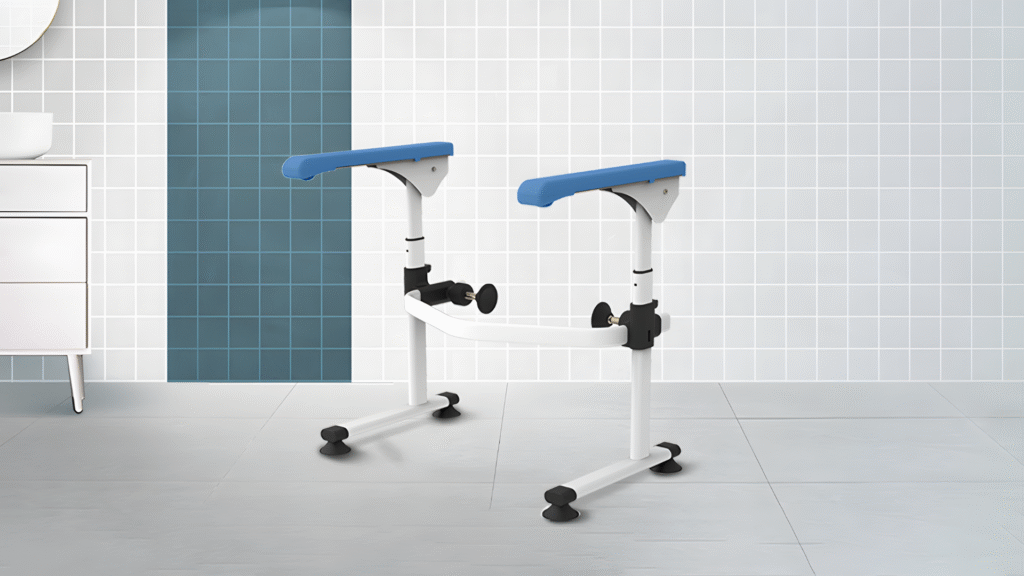
Different types of toilet rails: fixed, foldable & freestanding explained

Introduction: Why toilet rails are essential for bathroom safety Bathrooms are one of the most hazardous areas in the home for seniors and people with limited mobility. Slips and falls can result in serious injuries. Installing toilet grab rails provides support and stability, helping users sit and stand safely. Toilet rails are particularly important for NDIS participants, aged care residents, and families providing home care. Choosing the right type ensures both safety and convenience in everyday routines. What are toilet rails and who benefits from them? Toilet rails, also called toilet safety rails, are assistive devices that provide stability when using the toilet. They can be fixed to walls, mounted on the floor, or designed to fold away when not in use. Who benefits from toilet rails? Seniors with reduced balance or strength People recovering from surgery or injury Individuals with disabilities or limited mobility Caregivers assisting family members in home care Toilet rails reduce the risk of falls, increase independence, and provide peace of mind for both users and carers. You can view our toilet rails range for Victorian users. Fixed toilet rails: Features, benefits, and best use cases Fixed toilet rails are permanently mounted to the wall or floor around the toilet. Features: Sturdy construction for maximum support Designed to meet Australian safety standards Often paired with raised toilet seats for added comfort Benefits: Provides consistent, reliable stability Supports heavier users and those with severe mobility limitations Minimal maintenance once installed Best use cases: Bathrooms with enough wall space for secure mounting Users requiring maximum safety and weight support Long-term home care setups You can browse fixed options in our Toilet Rails category for suitable models. Foldable toilet rails: Space-saving safety solutions Foldable toilet rails are hinged rails that can be lifted up or down as needed, making them ideal for compact bathrooms. Features: Hinged design allows folding against the wall Often adjustable in height Compatible with standard toilets and raised seats Benefits: Saves space in small bathrooms Offers flexibility without permanent obstruction Easy to lift for occasional use or cleaning Best use cases: Apartments or bathrooms with limited room Users who require occasional support Families seeking both safety and flexibility Check out foldable options on our Toilet Rails product page. Freestanding toilet rails: Portable support when needed Freestanding toilet rails are independent frames placed around the toilet without the need for wall or floor mounting. Features: Portable and easy to reposition Adjustable for different toilet heights Supports moderate weight Benefits: No installation required, ideal for renters Can be moved between bathrooms or rooms Offers temporary support for short-term recovery Best use cases: Temporary or mobile care needs Home renovations or rental properties Users who may move between locations frequently Key differences between fixed, foldable, and freestanding rails Feature Fixed Foldable Freestanding Stability High Moderate Moderate Space Saving No Yes Moderate Installation Permanent Wall-mounted None Flexibility Low High High Best for Long-term, heavy support Small bathrooms, flexible use Temporary or mobile use Choosing the right toilet rail for seniors and NDIS participants Selecting the correct toilet rail depends on: User mobility and strength: Heavier or less mobile users need fixed rails. Bathroom layout: Small spaces benefit from foldable or freestanding options. Caregiver needs: Rails that reduce lifting effort improve safety for carers. Funding availability: NDIS participants may receive support for approved toilet safety rails. Occupational therapists often recommend rails based on user height, weight, and bathroom design. Proper positioning according to Australian standards ensures safe use. Funding and standards: NDIS, SWEP, and Australian guidelines In Victoria, seniors and NDIS participants can access support through: NDIS: Funding for assistive toilet aids, including fixed, foldable, and freestanding rails. SWEP: Support for prescribed toilet rails for long-term mobility or disability needs. Australian Standards: Ensures correct height, spacing, and stability of rails to maximise safety. You can contact us for advice on selecting NDIS-approved toilet rails. Conclusion: Final thoughts on selecting toilet rails for safe and independent living Toilet rails provide essential stability and independence in the bathroom. Fixed rails are sturdy and reliable for long-term support. Foldable rails save space while maintaining safety. Freestanding rails offer flexibility for temporary or mobile use. Choosing the right rail depends on user mobility, bathroom layout, and funding eligibility. For seniors and NDIS participants in Victoria, the correct installation ensures safer, more independent living. Visit our Store to view our full range of toilet rails. FAQs What is the safest type of toilet rail for seniors? Fixed toilet rails are the most stable and suitable for heavy users or long-term care. Foldable and freestanding rails are safe but offer more flexibility than maximum stability. Can I get NDIS funding for toilet rails? Yes, eligible NDIS participants in Victoria can access funding for approved toilet safety rails. Contact us for guidance. How do I choose the correct height for a toilet rail? Rails should allow the user to sit and stand comfortably with elbows slightly bent. Occupational therapists recommend measuring user height and following Australian standards. Are foldable toilet rails suitable for all bathrooms? Foldable rails work best in small bathrooms or where space-saving is important. They may not be ideal for heavier users needing maximum support. Can freestanding toilet rails be moved easily? Yes, freestanding rails are portable and can be repositioned between rooms without installation.

Different types of toilet rails: fixed, foldable & freestanding explained Read More »

Manual vs electric patient lifters: what’s the difference?

Introduction: Why Choosing the Right Patient Lifter Matters Patient lifters, also known as hoists, are essential tools for safely transferring individuals with limited mobility. Selecting the correct type is crucial for safety, comfort, and ease of care. Carers, occupational therapists, families, and NDIS participants in Victoria often rely on lifters to reduce strain and prevent injuries. Two main types dominate the market: manual patient lifters and electric patient lifters. Understanding the differences helps you make the best choice for your home or care environment. What Is a Patient Lifter and Who Needs One? A patient lifter is a device that assists in moving someone from a bed to a chair, wheelchair, toilet, or other seating areas safely. They are often used by: Seniors or elderly individuals with limited mobility People with disabilities or long-term health conditions Aged care facilities for safe handling of residents Families providing home care for loved ones Patient lifters work with a sling that supports the user during transfers, reducing the physical effort required from carers. You can view a range of patient lifters on AssistiveTechHub. Manual Patient Lifters: Features, Pros and Cons Manual patient lifters operate without electricity and rely on hydraulic systems or hand pumps to lift the patient. Features: Lightweight and portable options available Simple hydraulic lift mechanism Basic frame design suitable for small spaces Compatible with various slings Pros: Affordable initial cost Easy to maintain, fewer moving parts No reliance on electricity or battery charging Portable models ideal for home use Cons: Requires physical effort from the carer Not suitable for heavier patients without extra help Slower lifting and transferring compared to electric models Manual lifters are ideal for those with smaller care needs, limited budgets, or environments without power access. Electric Patient Lifters: Features, Pros and Cons Electric patient lifters use battery power to lift and move patients with minimal effort from the carer. Features: Powered lifting and lowering functions Remote or hand control for smooth operation Some models include adjustable arms or sit-to-stand features Heavy-duty frames suitable for bariatric patients Pros: Requires minimal physical effort from carers Faster and smoother transfers, reducing patient discomfort Suitable for heavier or bariatric patients Many models can be used with NDIS-approved slings Cons: Higher initial cost Batteries require regular charging and maintenance Slightly more complex to operate and maintain Electric lifters are recommended for high-frequency use, heavier patients, or carers looking to reduce strain and risk of injury. View the Powered Patient Lifter in our store. Key Differences Between Manual and Electric Lifters Feature Manual Lifter Electric Lifter Effort Required Moderate to high Minimal Cost Lower Higher Lift Speed Slower Faster Maintenance Simple Requires battery care Suitable for Heavy Patients Limited Yes Portability High Moderate How to Choose the Right Lifter for Your Needs When selecting a patient lifter, consider: Patient weight and mobility level: Heavier patients benefit from electric models. Frequency of use: Frequent transfers are easier with electric lifters. Caregiver strength and physical ability: Manual lifters require more effort. Space and portability: Manual lifters are easier to move between rooms. Funding options: NDIS and SWEP may cover costs for electric lifters in Victoria. NDIS and SWEP Funding for Patient Lifters in Victoria Eligible NDIS participants can access funding for assistive lifting equipment Victoria, including manual and electric lifters. SWEP funding is also available for Victorian residents with long-term care needs. Occupational therapists often assess the patient and recommend the most suitable lifter for home or aged care settings. For guidance, you can contact us or browse our Patient Lifters category. Conclusion: Final Thoughts & Recommendations Both manual and electric patient lifters are valuable tools for safe transfers. Manual lifters are cost-effective and portable but require physical effort. Electric lifters provide convenience, speed, and safety, especially for heavier patients or frequent use. The best choice depends on patient needs, carer ability, frequency of transfers, and available funding. Always consult an occupational therapist to ensure the lifter meets your safety and comfort requirements. For a wide selection, browse our Store and contact our team for personalised advice. FAQs Can manual lifters handle bariatric patients? Manual lifters have weight limits and may not be suitable for bariatric patients. Electric lifters are better for heavier users. How often do electric lifter batteries need charging? Typically after each day of use or as recommended by the manufacturer to ensure readiness for transfers. Are patient lifters covered by NDIS? Yes, eligible participants in Victoria can receive funding for both manual and electric lifters. Can I hire a patient lifter instead of buying? Yes, many suppliers offer patient lifter hire for temporary or short-term use. What maintenance is required for manual and electric lifters? Manual lifters need occasional lubrication and inspection of hydraulics, while electric lifters require battery checks, charging, and frame inspection.

Manual vs electric patient lifters: what’s the difference? Read More »

Battery care tips to extend the life of your mobility scooter

Introduction: Why Battery Care Matters Mobility scooters are essential tools for independence, especially for seniors, people with disabilities, and NDIS participants in Victoria. At the heart of every scooter is its battery, which powers your daily mobility. Proper battery care ensures your scooter runs reliably, reduces maintenance costs, and prevents sudden breakdowns that can affect your daily routine. By following simple practices, you can extend battery life and make your scooter safer to use. Understanding Mobility Scooter Batteries Most mobility scooters use deep-cycle rechargeable batteries designed to provide consistent power over long periods. Common types include: Sealed Lead Acid (SLA): Cost-effective and widely used in standard scooters. Gel Batteries: Low maintenance and spill-proof, ideal for regular home use. Lithium-ion Batteries: Lightweight, longer-lasting, and found in premium scooters like the Automatic Folding Scooter and Lightweight Foldable Scooter. Understanding your battery type helps you follow the right care routines and prevent damage. Everyday Battery Care Best Practices Regular maintenance is key to prolonging battery life. Simple habits include: Wipe the battery terminals clean and dry to prevent corrosion. Avoid overloading your scooter with weight beyond its rated capacity. Check connections and cables for wear or looseness before each use. Drive on smooth, level surfaces when possible to reduce strain on the battery. Consistent everyday care reduces wear and ensures reliable performance. Charging Tips for Longer Battery Life Charging habits have a direct impact on how long your scooter battery lasts. Follow these tips: Charge your battery fully after each use, even if the battery is not empty. Avoid running the battery completely flat, which can reduce capacity. Use only the charger provided with your scooter or approved replacements. Keep the battery at room temperature during charging. Avoid humid or damp areas. If your scooter is not used for an extended period, charge the battery every few weeks. Following these steps prevents early deterioration and keeps your scooter ready when needed. Storage and Seasonal Care for Your Scooter Proper storage is crucial, especially during seasonal changes. Store your scooter in a dry, sheltered area to avoid moisture damage. Disconnect the battery if the scooter will not be used for several weeks. Avoid leaving the battery in extreme heat or cold, which can shorten lifespan. For long-term storage, maintain a partial charge (around 50–70%) and check periodically. These precautions help prevent corrosion, freezing, or overheating of your battery. Signs Your Battery Needs Replacement Even with proper care, batteries eventually reach the end of their life. Watch for: Reduced range or running time on a full charge. Longer than usual charging cycles. Frequent or unexpected power loss while riding. Swelling, leakage, or unusual heat from the battery pack. Replacing your battery promptly ensures safety and reliable use. You can find compatible batteries in our Store. Choosing the Right Battery for Your Scooter When it’s time to replace a battery, consider: Compatibility: Match the battery type and voltage with your scooter model. Capacity: Higher amp-hour (Ah) batteries allow longer travel distances. Weight and portability: Especially important for foldable or portable scooters. Funding eligibility: NDIS participants may be eligible for support with battery replacements. Selecting the right battery ensures optimal performance and safe mobility for years to come. Conclusion: Key Takeaways & Next Steps Proper battery care is essential for the safety, reliability, and longevity of your mobility scooter. By following good charging habits, performing regular maintenance, and replacing batteries at the right time, you can enjoy uninterrupted mobility. To explore suitable scooters and battery options, visit our Mobility Scooters category or contact us for personalised advice. FAQs How long do mobility scooter batteries typically last? SLA and gel batteries usually last 12–24 months, while lithium-ion batteries can last 3–5 years with proper care. Can I charge my mobility scooter battery overnight? Yes, most modern chargers are safe for overnight charging, but avoid overcharging older battery types. What is the best storage method for my scooter battery? Store in a dry, cool area. Disconnect the battery if the scooter will not be used for weeks and maintain a partial charge. Are replacement batteries covered by NDIS? Yes, eligible NDIS participants in Victoria may receive funding for battery replacements. Contact us for guidance. Can I use a third-party charger for my mobility scooter? It is recommended to use only the charger provided or approved by the manufacturer to prevent damage or safety risks.

Battery care tips to extend the life of your mobility scooter Read More »

Compare Products

Scroll to Top