Assistive Tech Hub

Try Before You Buy: Portable Power Beds with Side Rails Now Available for Free Home Trial

Why a Free Home Trial Makes a Difference A mobility bed isn’t just another piece of furniture—it’s a vital tool that supports safety, better sleep, and greater independence. But choosing the right one can be daunting, especially for families, aged care providers, or carers unsure of what features will truly meet the user’s needs. Our Free Home Trial option removes the guesswork. It gives you or your loved one the chance to test a portable power bed in your own space, ensuring it works for your daily routine and care needs before making a financial decision. Explore the Free Trial Process  What to Expect from Our Portable Power Beds with Side Rails These beds are thoughtfully designed for people with reduced mobility, aging individuals, and those recovering from surgery or managing long-term health conditions. Here’s what makes them stand out: 1. Height-Adjustable Functionality (Hi-Low Feature) This feature allows carers to raise the bed for ease of access and lower it for safer transfers, reducing fall risks and improving ergonomics for support workers. 2. Side Rails for Safety Side rails add an important layer of fall protection. They’re ideal for people who move around during sleep or need extra support when repositioning. 3. Remote or Voice Control Options Prefer a hands-free experience? Our Voice-Controlled Homecare Hi-Low Bed can respond to simple voice commands for effortless comfort. 4. Compact and Easy to Move Designed to fit seamlessly into home environments, these mobility beds for hire are lightweight yet sturdy, easy to assemble, and simple to relocate if needed. View our Aged Homecare Beds Who Benefits from These Beds? Seniors with Mobility Challenges For aging individuals who experience difficulty getting in and out of bed, these beds restore confidence and reduce reliance on family or carers. NDIS Participants & Support Coordinators Whether you’re looking for beds for seniors with mobility issues or need equipment that meets specific NDIS requirements, our range is compliant and trial-ready. Aged Care & Home Care Providers Streamline your equipment sourcing process with mobility beds for hire that can be tested and delivered quickly. Contact us today to discuss wholesale or multiple bed solutions. How to Start a Free Home Trial Browse our store: Visit the Assistive Tech Hub Store and choose the bed that fits your needs. Submit a trial request: Go to our Disability Equipment Trial Page and fill in the form. Enjoy a no-pressure home trial: One of our team members will deliver and set up the bed in your space, and you’ll have time to evaluate it without obligation. Decide at your own pace: Love it? Keep it. If not, we’ll pick it up, no fuss. Our Free Home Trial process ensures your safety and satisfaction come first. Real Stories from Satisfied Users “My mother refused to sleep in anything other than her own bed—until we tried this one. Now she’s finally comfortable, and I can sleep better knowing she’s safe.” — Karen M., Melbourne “The side rails and adjustable height make it easier for our support staff to help clients move safely. We’ve since added two more for our other homes.” — Aged Care Provider, Victoria Want more confidence before you try? Check out reviews and real feedback on our Aged Homecare Hi-Low Bed. Why Choose Assistive Tech Hub? At Assistive Tech Hub, we believe assistive technology should be accessible, high quality, and backed by real human support. That’s why all our beds: Are available for hire or purchase Come with home trial options Are backed by Australian customer support Are suited for NDIS, private, and aged care clients Whether you’re a private carer, NDIS support coordinator, or someone seeking mobility beds for the elderly, we’re here to help. We even offer wholesale pricing for healthcare providers. Frequently Asked Questions How long is the free home trial? We offer trials for a set period based on availability and your location. Contact us to confirm timing in your area. Is the setup included? Yes! Our friendly staff will deliver and set up your trial bed, and we’ll walk you through how it works. What if I want to return the bed after the trial? No problem—just let us know. We’ll schedule a free pickup with no pressure to buy. Can I try more than one product? In many cases, yes. Let us know your needs and we can discuss trial options for additional products, such as voice-controlled beds or accessories. Are these beds NDIS-funded? Yes, most of our mobility beds for seniors are NDIS-compliant and can be trialled under assistive technology support. Reach out to us if you need help with documentation or planning. Ready to Try a Bed at Home? Don’t leave comfort and safety to chance. With our Free Home Trial option for portable power beds with side rails, you can be sure you’re making the right decision for yourself or your loved one. Book your free trial todayor contact us directly to learn more. Prefer to browse first? Visit our online store to explore all our beds and support equipment options.

Try Before You Buy: Portable Power Beds with Side Rails Now Available for Free Home Trial Read More »

How to Set Up and Use a Portable Power Bed with Side Rails

What Is a Portable Power Bed with Side Rails? A portable power bed with side rails is a lightweight, sturdy, and highly functional solution designed to ensure comfort and safety, particularly for individuals with mobility challenges. These beds are equipped with electric adjustments that allow for easy positioning of the head, feet, and overall height. The side rails provide extra security, reducing the risk of falls and making transfers much easier. At Assistive Tech Hub, we offer a range of advanced and cost-friendly portable power beds designed for Australians who need that extra level of support. Our beds are lightweight for easier mobility and built to last, so you can feel confident in your choice. Key Features to Expect When setting up your portable power bed, here are the key features you’ll want to keep in mind: Electric Adjustment: This feature allows you to adjust the bed’s head, feet, and overall height to find your perfect position. It can be done with just a press of a button using the remote control. Side Rails: Essential for preventing falls and offering stability when getting in or out of bed. The rails are adjustable for comfort and safety. Lightweight and Sturdy Design: The bed is built to be easily movable without compromising on strength or durability, making it ideal for home use. Accessories: Many portable power beds come with useful extras like extra cushions, cup holders, shopping bag hooks, wheelchair tables, and umbrella attachments. These features ensure maximum convenience. At Assistive Tech Hub, we offer affordable solutions that provide comfort, safety, and convenience, helping you get the most out of your mobility aids. Step-by-Step Setup Guide Choose the Right PlacePick a flat, accessible area near a power outlet. Make sure there’s enough room around the bed for easy movement and care. Unpack and CheckUnbox all parts and check for any damage. For issues, contact Assistive Tech Hub for support. Assemble the FrameFollow the instructions to secure the bed base and legs. Make sure all bolts and screws are tight. Attach Side RailsSlide and lock the side rails into place. Confirm they are secure for added safety during use. Connect the Motor and RemotePlug in the motor and connect the handset. Test all adjustments (head, foot, height) to make sure everything works smoothly. Add AccessoriesInstall any extras like an extra cushion, umbrella, phone holder, or shopping hook. These enhance comfort and daily use. Final Safety CheckLock the wheels, test the rails again, and confirm the remote responds correctly. Using the Bed Safely Adjust the Bed as Needed: Use the remote control to adjust the position of the bed for maximum comfort, whether you’re lying down, reading, or sitting up. You can also adjust the height to make transfers easier. Lock the Wheels: When you’re adjusting or getting out of bed, make sure the wheels are locked to prevent unwanted movement. Regular Maintenance: Clean the bed regularly, checking for any loose parts. Ensure the side rails are securely fastened at all times, and test the remote to make sure it’s functioning properly. Troubleshooting Tips Motor Issues: If the motor doesn’t work, try resetting the bed by unplugging it for 10-15 seconds and plugging it back in. Remote Control: If the remote control isn’t working, check if the batteries need replacing or reset the bed as needed. Need Help? If you experience any problems, please don’t hesitate to contact our support team for assistance. Ready to Try One? Want to experience a lightweight, sturdy portable power bed with side rails? You can check products online or book a free in-home trial to see how these beds can improve your quality of life. If you prefer, visit our disability-friendly showroom to see the beds in person. Final Thoughts Portable power beds offer the perfect solution for individuals seeking comfort, convenience, and safety in their home. With cost-friendly options available, a sturdy design, and convenient side rails, they’re an excellent investment for anyone who requires extra support. Check products online or book a free trial today to explore the best options for your needs.

How to Set Up and Use a Portable Power Bed with Side Rails Read More »

A Step-by-Step Guide to Choosing the Best Portable Power Bed with Side Rails

Choosing the right portable power bed with side rails is essential for comfort, safety, and independence—whether for yourself or a loved one. These beds are lightweight for easy mobility, sturdy for daily use, and offer a cost-friendly solution with advanced features that support home care. Step 1: Understand the Basics A portable power bed is an adjustable, motorised bed that lets users control the height, backrest, and leg elevation. Paired with side rails, it helps prevent falls and offers support during transfers. These beds are ideal for: Older Australians who prefer to age in place NDIS participants seeking reliable disability equipment Carers supporting loved ones at home Individuals recovering from surgery or managing chronic conditions Explore our full range of portable and power beds in our online store. Step 2: Evaluate Adjustability Features Key features to look for: Electric adjustment for height and angles Quiet and smooth motor operation User-friendly remote control Comfort shouldn’t be compromised. Consider booking a free in-home trial to test one out. Step 3: Prioritize Portability True portability means: Lockable wheels for safety and easy movement Foldable or compact frame for transport Lightweight design without compromising sturdiness Many users appreciate the ability to move their bed as needed—perfect for limited spaces or shared living. Step 4: Assess Side Rail Design Side rails are key to both comfort and safety. Look for: Removable or fold-down options Non-slip grips Strong, sturdy construction Compatibility with accessories like bedside hooks and trays Step 5: Consider Accessories and Add-Ons Boost functionality and comfort with optional accessories: Additional battery backup Cup and phone holder Orange flag for visibility Over-bed table Armrest covers and cushions Wheelchair umbrella or shopping bag hook These extras can make daily care more efficient and stress-free. Step 6: Choose a Trusted Supplier Only buy from providers who offer: Transparent pricing and NDIS support Quality customer service Warranties and expert advice A wholesale program for care providers Access to a disability-friendly showroom Visit our showroom or book a free in-home trial to try the bed before purchasing. We’re here to help you choose the best fit. Customer Feedback “The portable power bed has been a game-changer for my father’s care. It’s easy to move, and the side rails provide the safety he needs.”— Sarah M., Melbourne “We appreciated the affordability and quality of the bed. The in-home trial gave us confidence in our purchase.”— John L., Sydney Final Thoughts A portable power bed with side rails is more than just a purchase—it’s an investment in safety, dignity, and long-term comfort. Look for options that are lightweight, sturdy, and budget-friendly, and come with features that support day-to-day life. Check products online Visit our disability-friendly showroom Book your free in-home trial today

A Step-by-Step Guide to Choosing the Best Portable Power Bed with Side Rails Read More »

Portable Power Beds with Side Rails: What They Are and Why They Matter

As in-home care becomes more common in Australia, the demand for supportive, easy-to-use medical equipment continues to rise. Among the most sought-after options are portable power beds with side rails—a solution designed to combine comfort, safety, and ease of mobility in one package. If you’re looking for a bed that supports daily care, this guide breaks down exactly what you need to know. What Is a Portable Power Bed? A portable power bed is a fully adjustable electric bed that can be moved from room to room or even to different homes if needed. These beds offer motorised control over height, backrest, and leg positioning, supporting both users and caregivers in daily routines. Browse our store for aged care beds or contact us for expert guidance. Why Side Rails Matter Side rails are more than just add-ons. They offer crucial benefits: Fall Prevention: Especially important for older Australians and people with limited mobility. Mobility Support: Rails act as stabilisers when adjusting positions or getting in and out of bed. Added Peace of Mind: Families and carers appreciate the additional safety. Learn more about our Disability Equipment Trial to try before you buy. Key Features to Look For When choosing a portable power bed with side rails, consider the following: Remote-controlled adjustability (height, backrest, legs) Compact or folding design for easier portability Lockable wheels for secure placement Optional accessories like over-bed tables, additional battery backups, or pressure-relief mattresses Durable frame suited for home use Compatibility with NDIS or aged care support Need help selecting the right model? Explore our Contact Us page for tailored advice. Who Can Benefit? Older Australians aging at home People recovering from surgery or hospital stays NDIS participants seeking more independence Carers needing a safe, mobile setup for home-based care We also support care providers through our wholesale program. Portable Bed Accessories to Consider Enhance usability and comfort with the following add-ons: Side rail organiser pouches Armrest covers Over-bed trays or tables Backup battery packs Wheelchair-compatible accessories like cup holders, bag hooks, and umbrellas These small touches can make daily care routines smoother and more efficient. FAQs Are portable beds as sturdy as permanent ones? Yes. Many models are hospital-grade and designed for repeated setup and relocation. Can I get one through the NDIS? Absolutely. Contact us for a quote or support in applying for NDIS funding. Do side rails come off if needed? Yes. Many models allow you to remove or fold down rails depending on the user’s needs. Final Thoughts A portable power bed with side rails is a smart investment for anyone looking to enhance home care—offering comfort, adjustability, and safety in one compact solution. With the right setup, you can support loved ones or clients without compromising their dignity or your own well-being. Discover your options at Assistive Tech Hub or visit our store to explore products that support safe and independent living.

Portable Power Beds with Side Rails: What They Are and Why They Matter Read More »

Hi-Low Beds for Aged Care: What to Know Before Buying

Aged care at home is becoming more common across Australia, with families and caregivers looking for the right equipment to support safety, comfort, and independence. Among the most important items? A hi-low bed. Whether you’re a carer, family member, or someone planning ahead for your own needs, here’s what you need to know before making a purchase. What Is a Hi-Low Bed? A hi-low bed is an adjustable bed designed for ease of use and safety. It can raise or lower in height and adjust the upper or lower body positioning. Unlike traditional beds, these are built specifically with mobility and care needs in mind. Explore Assistive Tech Hub’s online store to view available models. Key Benefits of a Hi-Low Bed 1. Better Access for Carers The adjustable height function helps carers provide support without bending or straining—reducing the risk of injury on both sides. 2. Increased Safety for Users Lowering the bed at night reduces fall risk, while adjustable positioning allows users to sit up, elevate their legs, or find a comfortable sleep position—all at the push of a button. 3. Promotes Independence A remote control allows the user to adjust their bed without assistance, supporting greater autonomy, especially for older Australians aging in place. Essential Features to Look For When buying a hi-low bed, make sure it includes: Electric height adjustment Adjustable head and leg sections Lockable wheels for safety Side rails or grab bars (if needed) Durable frame and appropriate weight capacity Emergency lowering function Easy-to-use handheld remote Need more guidance? Speak to our experts via our Contact Us page. Add-On Accessories for Comfort Make the bed more functional with accessories like: Over-bed table Side rail storage pouch Pressure-relief mattress Armrest cover Additional battery backup Wheelchair accessories (e.g., umbrella, cup holder, shopping bag hook) Looking for more support equipment? Browse our full mobility and disability range. NDIS and Aged Care Funding If you or your loved one is an NDIS participant, a hi-low bed may be eligible under assistive technology funding. Our team can help provide quotes and documentation. Learn more about disability equipment trials before you commit to a purchase. FAQs Can I trial a hi-low bed before buying? Yes, we offer trial options through our Disability Equipment Trial program. Are hi-low beds only for aged care? Not at all. They are suitable for anyone with limited mobility or recovering from surgery. Will the bed fit into a standard bedroom? Yes. Most models are designed to suit residential spaces while offering hospital-grade functionality. Do you offer wholesale or bulk options? Yes. We work with care homes, aged care providers, and hospitals. Visit our wholesale page for more info. Final Thoughts A hi-low bed is more than just a comfort item—it’s a safety essential. Whether you’re planning ahead or caring for someone right now, choosing the right bed makes daily life smoother and safer. Explore your options at Assistive Tech Hub or get expert help from our team by visiting the Contact Us page.

Hi-Low Beds for Aged Care: What to Know Before Buying Read More »

Top Features to Look for in an Aged Care Hi-Low Bed And Why They Matter

Choosing the right hi-low bed for aged care isn’t just about comfort—it’s about safety, independence, and making life easier for both the user and the carer. If you’re supporting an older loved one at home or reviewing equipment for your care facility, here’s what you should look for—and why it matters. What Is a Hi-Low Bed? A hi-low bed is a type of electric adjustable bed that can move up and down in height, as well as elevate the head or legs. These beds are commonly used in hospitals and aged care settings but are increasingly found in Australian homes due to their comfort and safety features. You can explore more aged care solutions in our online store. Must-Have Features in a Hi-Low Bed 1. Height Adjustability (Hi-Low Function) Being able to raise and lower the bed makes it easier for users to get in and out, and for carers to provide support without strain. Lower settings reduce fall risk, while higher settings allow for easier transfers and care routines. 2. Electric Back and Leg Adjustment These adjustable sections help the user change positions with ease—whether it’s elevating the legs to reduce swelling or lifting the upper body for better breathing. Comfort and health go hand in hand. 3. Lockable Wheels Mobility is helpful for repositioning the bed, but safety is key. Lockable castors ensure the bed stays securely in place once positioned. 4. Side Rails (Optional) Removable or fold-down side rails provide extra security during sleep and can help users reposition themselves safely. 5. Sturdy Frame and Load Capacity Look for a hi-low bed with a durable frame and appropriate weight capacity. It should be strong enough to handle frequent use, movement, and multiple adjustments each day. 6. Handheld Remote Control The bed should include a simple remote that’s easy to use, with clearly labeled buttons for each adjustment. 7. Emergency Lowering Function In the event of a power outage or malfunction, a manual override system allows the bed to be returned to a safe position quickly. Why These Features Matter for Aged Care Reduces carer fatigue With electric adjustments, carers don’t need to manually lift or strain to assist. Improves quality of life Users can comfortably change positions, helping with pressure relief and overall well being. Prevents injuries and falls Lowered beds reduce the chance of injury, especially for older Australians at risk of night-time falls. Enhances independence Many older adults feel more in control of their day when they can adjust their own position without assistance. Need support finding the right solution? Reach out via our Contact Us page. Optional Accessories to Consider Enhance comfort and practicality with: Over-bed tables Bedside commodes Bed rails or grab handles Pressure-relieving mattresses Armrest covers Side storage pouches Looking for more mobility aids? Visit our store or learn about wholesale options for facilities and health providers. FAQs Can I try a hi-low bed before I buy it? Yes. We offer trials for many disability and aged care products. Learn more on our Disability Equipment Trial page. Is a hi-low bed covered by the NDIS? If you or your loved one is an NDIS participant, a hi-low bed may be funded under assistive technology. Contact us for help with quotes and documentation. Will it fit into a regular bedroom? Yes. Many hi-low beds are designed specifically for home use and look much like standard beds—just with more function. Final Thoughts Investing in a quality hi-low bed is an investment in better care, more comfort, and long-term independence. Whether you’re a family carer or a professional in aged care, choosing a bed with the right features can make a real difference in daily life. Visit Assistive Tech Hub to explore our full range of aged care solutions or get expert help through our Contact page.

Top Features to Look for in an Aged Care Hi-Low Bed And Why They Matter Read More »

Supporting Aging at Home: The Benefits of a Hi-Low Bed for You or a Loved One

Aging at home is a goal many older Australians share. It offers comfort, familiarity, and the independence that’s hard to replicate in residential facilities. But to age safely and comfortably at home, the right support equipment matters—starting with the bed. Enter the hi-low bed—a simple but powerful tool that supports everyday life for both older adults and their carers. What Is a Hi-Low Bed? A hi-low bed is an electric bed that adjusts in height and angle at the head and legs. While it’s often seen in hospitals and care settings, it’s increasingly being used in private homes across Australia. With easy remote-controlled functions, the bed can: Lower closer to the ground to make getting in and out safer Elevate to support comfortable care tasks Adjust positions to improve circulation, reduce pressure, and enhance rest Why More Australians Are Choosing Hi-Low Beds at Home 1. Greater Safety and Reduced Fall Risk One of the biggest risks for aging Australians is falling at home. A hi-low bed allows the user to sit and stand at a safe height, with less strain and instability. 2. Improved Comfort and Sleep Adjustable backrests and leg sections allow for tailored comfort whether sleeping, watching TV, or reading. This is especially helpful for those with arthritis, back pain, or respiratory issues. 3. Support for Home Carers For carers—whether family or professional—these beds reduce the physical strain of caregiving. Tasks like bathing, dressing, or wound care can be done more comfortably with an elevated bed. 4. Promotes Independence With user-friendly controls, older adults can adjust their own bed without assistance. This small action can mean a lot when it comes to dignity and self-reliance. Who Can Benefit from a Hi-Low Bed? Hi-low beds are ideal for: Older Australians living alone or with family People recovering from surgery NDIS participants needing mobility or in-home support Families wanting a safer, more supportive sleep setup for aging parents You can find a range of hi-low beds at Assistive Tech Hub, including models eligible for NDIS funding. Helpful Accessories to Consider To make the most of your hi-low bed setup, you may also consider: Pressure-relieving mattresses Over-bed tables Bed rails Bedside commodes Adjustable chairs These additions can enhance safety and day-to-day convenience. FAQs Can I get a hi-low bed through the NDIS? Yes, if your plan includes assistive technology or home modifications. We can help you with the paperwork and a quote. Does a hi-low bed fit in a normal bedroom? Absolutely. Many models are compact and designed for residential homes. Is it difficult to use? No. The bed comes with a simple remote control. It’s user-friendly for both the individual and any caregivers involved. Can I try one before purchasing? Yes. Visit our Disability Equipment Trial page to learn more about trying out equipment before buying. Final Thoughts Aging at home should never mean compromising on safety or comfort. A hi-low bed is more than just a piece of furniture—it’s a key to maintaining independence, improving care, and making everyday life better for you or your loved one. Explore options on our store, or get in touch through our contact page to find the right solution for your in-home care needs.

Supporting Aging at Home: The Benefits of a Hi-Low Bed for You or a Loved One Read More »

What Is a Hi-Low Bed and Why It’s Ideal for In-Home Aged Care in Australia

Caring for older Australians at home requires the right balance of safety, comfort, and independence. One piece of equipment that’s making a big difference in aged care is the hi-low bed—and it’s not just for hospitals anymore. Let’s explore what a hi-low bed is, and why it’s becoming a must-have for families and carers supporting loved ones at home. What Is a Hi-Low Bed? A hi-low bed is a type of adjustable bed designed to raise or lower both the mattress height and head/foot positions. It’s electrically powered and often used in hospitals, aged care facilities, and increasingly in private homes. Key Features: Adjustable height (to assist with transfers and reduce falls) Electric backrest and leg elevation Safety side rails (optional) Remote control for ease of use This type of bed supports both the person in care and their caregiver, making day-to-day routines safer and more manageable. Why Are Hi-Low Beds Ideal for In-Home Aged Care? 1. Safer Transfers and Reduced Risk of Falls Lowering the bed to the right level helps older adults get in and out of bed with confidence. This reduces the risk of injury, especially for those with mobility challenges. 2. Better Comfort for Sleeping and Sitting Up Hi-low beds can adjust the backrest and legs, helping users find a comfortable position whether sleeping, reading, or relaxing. 3. Support for Caregivers Raising the bed to a higher position can help carers provide assistance—like dressing or wound care—without strain on their backs. 4. Promotes Independence Many older Australians prefer to age in place. A hi-low bed makes this more possible, providing a sense of control and dignity in daily life. How a Hi-Low Bed Benefits Families and NDIS Participants Families supporting elderly loved ones—or NDIS participants with disability support needs—find that hi-low beds make a significant impact by: Supporting safe overnight care Allowing more flexibility with in-home care plans Giving peace of mind to everyone involved Assistive Tech Hub offers models suitable for both NDIS participants and private customers, with features tailored to in-home use. Choosing the Right Hi-Low Bed in Australia Here are a few things to consider: Weight capacity and size (single or king single) Ease of control for the person using the bed Optional extras like side rails, headboards, or integrated mattresses NDIS funding options if you’re a participant Need help choosing? Reach out to our friendly team via our Contact Us page or browse our store for bed options. FAQs Is a hi-low bed covered by NDIS? Yes, if you have an approved plan that includes assistive technology or in-home support. We can assist with quotes and guidance for applications. Can I use a hi-low bed in a small room? Absolutely. Many models are designed for residential homes with compact layouts. Is it difficult to set up? No. Most beds arrive partially assembled and are easy to set up with delivery support available. What other equipment goes well with a hi-low bed? Consider adding: Over-bed tables Pressure-relief mattresses Bed rails Adjustable chairs Bedside commodes Final Thoughts A hi-low bed offers more than just comfort—it provides peace of mind, promotes independence, and supports safer care for older Australians at home. Whether you’re caring for a parent, recovering from surgery, or receiving aged care support under NDIS, a hi-low bed is a practical and compassionate solution. Need advice or a custom quote? Contact Assistive Tech Hub today and let us help you find the right fit for your care journey.

What Is a Hi-Low Bed and Why It’s Ideal for In-Home Aged Care in Australia Read More »

Carbon Fibre vs Regular Wheelchairs: Which One’s Right for You?

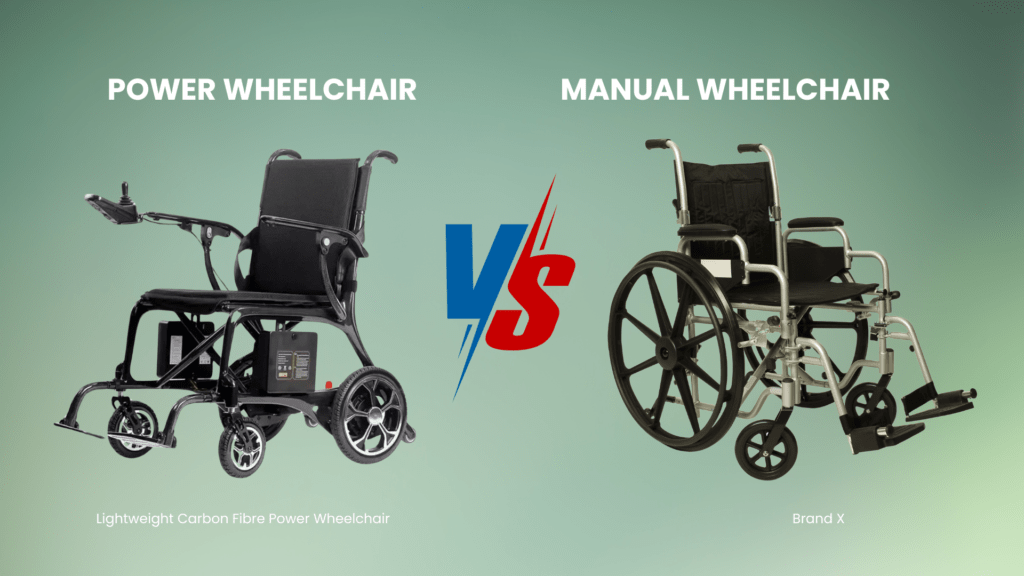
Choosing the right wheelchair isn’t just about mobility—it’s about maintaining independence, improving comfort, and simplifying daily life. With modern innovations like carbon fibre wheelchairs, Australians now have more choices than ever. But what exactly makes carbon fibre different from traditional wheelchairs? And is it the right fit for your needs? Let’s break it down. What Is a Carbon Fibre Wheelchair? A carbon fibre wheelchair is designed using ultra-light carbon fibre material—commonly used in aircrafts and high-performance sports gear. This advanced material makes wheelchairs: Lighter than aluminium or steel models Incredibly durable Easy to carry, store, and travel with These features make carbon fibre a strong contender if you’re looking for a chair that reduces strain and maximises freedom. Carbon Fibre Wheelchair vs Regular Wheelchair: Key Differences 1. Weight Carbon fibre lightweight wheelchairs weigh significantly less than standard wheelchairs. This makes them easier to push, lift, and fold—ideal for older adults or caregivers. 2. Strength and Durability Despite their lightness, carbon fibre models are built to last. They handle daily use and rougher terrain just as well—sometimes better—than regular metal frames. 3. Portability Carbon fibre power wheelchairs are easier to transport in cars or planes, making them perfect for frequent travellers. 4. Aesthetics and Modern Design Sleek and minimalist, these chairs offer a clean, modern look—without compromising function. Compare our most popular model here: Carbon Fibre Power Wheelchair Who Should Choose a Carbon Fibre Wheelchair? Carbon fibre is especially useful if you: Travel often Live in a smaller home Want a more modern, manageable chair Experience fatigue or strain from lifting heavier chairs Prefer an electric option for longer outings Our carbon fibre electric wheelchair model includes joystick control, foldable design, and rechargeable batteries—great for all-day comfort. You can book a wheelchair trial before you buy. When Might a Regular Wheelchair Be Better? Traditional wheelchairs can still serve many users well. They might suit you if: You’re on a tight budget You need a temporary or backup chair You’re not concerned with weight or travel You require heavy-duty or bariatric options Browse more power wheelchairs in our collection. Must-Have Accessories (For Any Chair) No matter which chair you choose, accessories can improve your day-to-day experience: Extra cushion Wheelchair umbrella Armrest cover Shopping bag hook Phone and cup holder Orange flag for visibility Wheelchair table Additional battery Explore our full store range for comfort upgrades. FAQs What’s the lifespan of a carbon fibre wheelchair? With proper care, it can last just as long—if not longer—than a traditional chair, thanks to its durable, corrosion-resistant frame. Can I try before buying? Yes. Assistive Tech Hub offers wheelchair trials so you can test the fit and feel. Are they safe for older adults? Absolutely. Carbon fibre chairs are light and user-friendly, making them ideal for seniors who want independence without heavy lifting. Where can I buy a carbon fibre wheelchair in Australia? You can shop directly through Assistive Tech Hub or contact us for personalised support. Final Thoughts: Choose What Works Best for You Carbon fibre wheelchairs offer major advantages in comfort, portability, and modern design—especially for those who are always on the go. Meanwhile, traditional models remain dependable and affordable for many users. Not sure which is right for you? Let us help. Contact our team or book a trial to test both styles. When it comes to mobility, choose what helps you move with ease, comfort, and confidence.

Carbon Fibre vs Regular Wheelchairs: Which One’s Right for You? Read More »

Mobility Without the Strain: Why More Australians Are Choosing Carbon Fibre Chairs

Mobility is essential to independence. But traditional wheelchairs can often be bulky, heavy, and difficult to transport—making everyday tasks more challenging. That’s why carbon fibre wheelchairs are becoming the preferred option for many Australians seeking a lightweight, travel-friendly, and stylish alternative. Whether you’re living independently, caring for someone, or simply want more control over your daily movement, carbon fibre mobility devices offer a smarter solution. Why Carbon Fibre? Carbon fibre is a high-strength, low-weight material used in everything from aerospace to sports equipment. In the world of mobility, it’s a game-changer. Benefits include: Significantly lighter than steel or aluminium frames High durability and resistance to wear Sleek, modern appearance Easy to lift, fold, and store Discover our most popular model here: Carbon Fibre Power Wheelchair Say Goodbye to Strain and Heavy Lifting One of the biggest advantages of a carbon fibre wheelchair is the ease of transport. No more struggling to load or unload from a car, no more lifting injuries for caregivers, and no more daily hassle. Carbon fibre lightweight wheelchairs are: Foldable and portable Easier to push and manoeuvre Ideal for aged care, hospital use, or everyday errands Planning a trip? These chairs are also perfect for travel. Learn more about our power wheelchair collection. Perfect Fit for the Australian Lifestyle Australian streets, homes, and transport services aren’t always designed with wheelchairs in mind. That’s why more families are opting for mobility solutions that are compact yet strong. Carbon fibre wheelchair Australia models are built for: Urban and suburban living Public transport access Storage in smaller homes or apartments Daily reliability in varied weather and terrain Thinking of trying one before you commit? Book a trial today. Designed With Comfort and Convenience in Mind Today’s carbon fibre electric wheelchairs aren’t just practical—they’re comfortable too. Many include features such as: Reclining backrests Cushioned seats Adjustable armrests Easy joystick controls You can also enhance your setup with accessories like: Wheelchair table Extra cushion Phone and cup holder Wheelchair umbrella Orange flag for visibility Armrest cover Shopping bag hook Additional battery for extended outings Visit our online store for upgrades and accessories. FAQs Are carbon fibre power wheelchairs strong enough for everyday use? Yes. Despite being light, carbon fibre is one of the strongest materials available. It holds up under daily use across different settings. Can older Australians lift or fold them easily? Most models are specifically designed to be easy to handle, even for those with limited strength or mobility. Is there a trial available before purchase? Yes! We offer in-person trials. Visit Disability Equipment Trial to learn more. How do they compare to traditional wheelchairs? They’re lighter, easier to fold, and generally more user-friendly—without sacrificing durability or comfort. Take the Pressure Off Mobility You don’t need to compromise between function and freedom. With a carbon fibre wheelchair, mobility becomes easier, safer, and more accessible. Join the growing number of Australians who are making the switch to carbon fibre power wheelchairs for better everyday living. Want to learn more or talk to an expert? Visit our homepage Shop our products Reach out via contact page Take the next step—mobility doesn’t have to be a strain.

Mobility Without the Strain: Why More Australians Are Choosing Carbon Fibre Chairs Read More »

Compare Products

Scroll to Top