Assistive Tech Hub

Adjustable vs fixed shower chairs which is safer for seniors

Introduction why shower safety is critical for seniors Bathroom slips are one of the most common causes of injuries among older adults. For seniors and people with mobility challenges, the bathroom is often the riskiest part of the home. Wet floors, limited balance, and reduced muscle strength can make even basic activities unsafe. A shower chair for seniors is an effective solution to reduce this risk and make bathing safer and more comfortable. Two of the most commonly used options are fixed shower chairs and adjustable shower chairs. Both offer stability, but the right choice depends on the individual’s needs, the bathroom setup, and long-term care requirements. This guide compares the two options in detail, so caregivers, NDIS participants, and aged care professionals can make informed decisions. What is a fixed shower chair? Benefits and limitations A fixed shower chair is a sturdy seat designed to remain at a set height. These chairs are typically non-adjustable, with fixed legs and a wide base for stability. Benefits of fixed shower chairs: Strong and stable, ideal for seniors who need extra balance support Simple design with fewer moving parts, making them durable Easy to clean and maintain Often more affordable than adjustable models Limitations of fixed shower chairs: Cannot adjust to match individual height needs May be uncomfortable for taller or shorter users Harder to adapt if the senior’s mobility changes over time You can view our range of shower chairs including fixed and foldable options on AssistiveTechHub. What is an adjustable shower chair? Benefits and limitations An adjustable shower chair allows the height and sometimes seat angle to be changed. This flexibility is particularly useful for households where multiple people use the same chair, or where a senior’s mobility needs change. Benefits of adjustable shower chairs: Customisable height for comfort and ease of transfer Improved safety as feet remain flat on the floor Can adapt to changing mobility needs over time Some models fold for storage, such as the foldable shower chair Limitations of adjustable shower chairs: Slightly more complex to set up May have more moving parts, requiring regular checks Can be more expensive than fixed chairs For seniors who need greater flexibility, options like a 360 rotation shower chair provide additional ease of movement and safety during bathing. Comparing safety features stability height and user comfort When deciding between adjustable and fixed chairs, safety must remain the top priority. Stability Fixed chairs are often heavier and more stable. Adjustable chairs are safe but require correct assembly and adjustment. Height and Positioning Fixed chairs may not suit every user’s height, leading to discomfort or unsafe transfers. Adjustable chairs allow precise alignment for safe sitting and standing. User Comfort Adjustable chairs can reduce strain by matching individual needs. Fixed chairs may feel too low or too high, reducing safety over time. When to choose a fixed shower chair A fixed shower chair is a good choice when: The senior has stable mobility needs Height requirements are standard The bathroom has limited space for adjustments A cost-effective, durable solution is needed When to choose an adjustable shower chair An adjustable shower chair may be the safer choice when: Seniors have changing mobility needs Multiple people with different heights use the same chair Transfers from wheelchair to chair require custom height Caregivers need flexibility for daily assistance NDIS and SWEP support for shower chairs in Victoria In Victoria, seniors and people living with disabilities can access funding for shower aids through: NDIS (National Disability Insurance Scheme): NDIS-approved shower chairs are available for eligible participants. You can contact us for help with NDIS product selection. SWEP (Statewide Equipment Program): Provides support for prescribed shower chairs and bathroom aids for Victorian residents with long-term needs. AssistiveTechHub supplies a wide range of NDIS approved shower chairs in Victoria, helping participants and caregivers find the right option for safety and comfort. Tips from occupational therapists on bathroom safety Occupational therapists (OTs) often recommend shower chairs as part of a broader bathroom safety plan. Their advice includes: Choose non-slip feet to prevent movement during showers Ensure the chair height matches the user’s legs so feet rest flat on the ground Add armrests for easier transfers Check for weight capacity, especially for bariatric shower chair needs Consider folding or portable options for small bathrooms OTs can also guide you in selecting between a fixed or adjustable chair depending on the senior’s current and future needs. Conclusion choosing the safest shower chair for your needs Both fixed and adjustable shower chairs for elderly users play an important role in keeping bathrooms safe. Fixed chairs offer simplicity and stability, while adjustable chairs provide flexibility and custom comfort. When deciding, consider: The senior’s current mobility level Future changes in care needs Space available in the bathroom Caregiver involvement in daily routines To make the best choice, browse our shower chairs collection and speak with our team for tailored advice. Key Takeaways Fixed shower chairs are simple, stable, and cost-effective. Adjustable shower chairs allow height changes for comfort and safety. Occupational therapists recommend choosing based on mobility, bathroom setup, and caregiver input. NDIS and SWEP in Victoria can support funding for approved shower aids. FAQs Are adjustable shower chairs safer than fixed chairs? Adjustable chairs can be safer for seniors who need customised height settings. However, fixed chairs provide excellent stability for users with consistent mobility needs. Can I get funding for a shower chair through NDIS? Yes, if you are an NDIS participant, you may be eligible for funding support. Contact us for guidance. Which shower chair is best for small bathrooms? A foldable or compact fixed chair works well in smaller bathrooms. Options like the foldable shower chair are space-saving solutions. Do occupational therapists recommend adjustable or fixed chairs? OTs usually recommend adjustable chairs for flexibility but may suggest fixed models for seniors who prioritise simplicity and stability. Are there bariatric shower chairs available? Yes, bariatric shower chairs with higher weight capacities are available in both fixed and adjustable models

Adjustable vs fixed shower chairs which is safer for seniors Read More »

Wheelchair commode buying guide choosing the right model for your needs

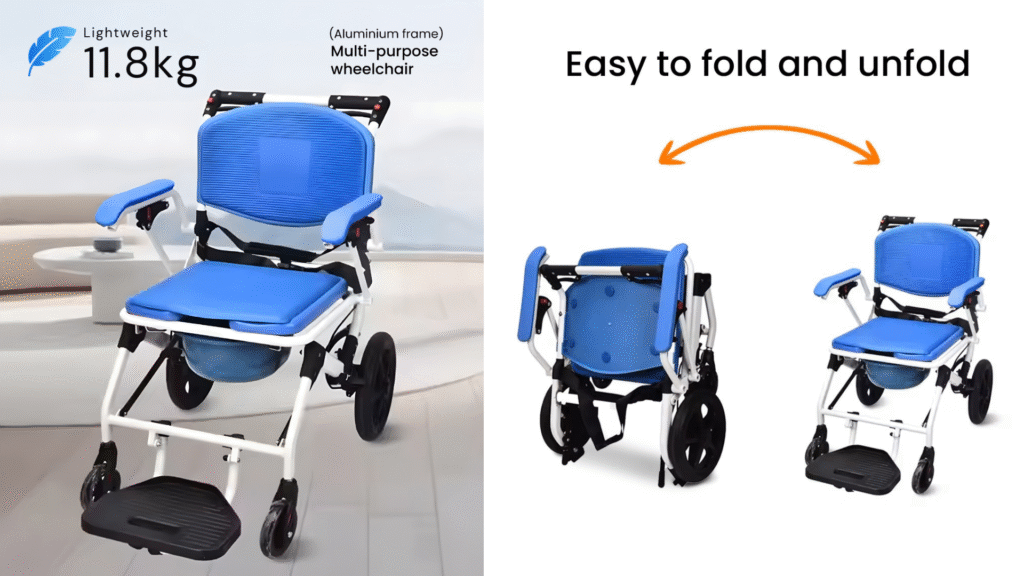
Introduction why wheelchair commodes matter in aged care and disability support For many seniors, people with disabilities, and NDIS participants, bathroom safety and accessibility are top priorities in daily care. A wheelchair commode combines the mobility of a chair with the practicality of a commode, offering independence, dignity, and safety. In Victoria, carers and families often look for commode wheelchairs that meet comfort needs while qualifying for NDIS or SWEP support. Choosing the right model ensures that users can manage personal care safely, while caregivers experience less strain. Key features to consider when buying a commode wheelchair When selecting a commode wheelchair, consider the following: Seat design and comfort: Cushioned or padded seats reduce pressure points. Portability: A foldable wheelchair with commode allows easier storage and transport. Weight capacity: Ensure the chair supports the user safely. Mobility function: Decide between self-propelled and attendant-propelled models. Adjustability: Reclining features or height adjustments add comfort and flexibility. Hygiene and cleaning: Removable pans and durable materials make maintenance easier. Types of wheelchair commodes There are several models to suit different care needs: Reclining wheelchair commodes: Provide extra support for users who need positioning assistance. The Reclining Wheelchair Commode is popular for aged care and disability support. Foldable commode wheelchairs: Lightweight and compact, ideal for home care or transport. See the Foldable Wheelchair Commode. Shower commode wheelchairs: Designed for bathroom use, often with waterproof frames and drainage-friendly seats. Self-propelled commodes: Allow the user greater independence with large rear wheels. Basic folding commode chairs: Simple and affordable, like the Foldable Commode Chair, suited for NDIS participants needing portable solutions. Each type balances comfort, safety, and independence differently, depending on the user’s mobility and care requirements. Benefits of foldable and portable wheelchair commodes Foldable and portable commodes have several advantages: Easy to transport during travel or medical appointments. Compact storage when space is limited. Convenient for temporary use after surgery or rehabilitation. Flexible enough for both bathroom and bedside use. For families and carers, these models reduce handling challenges and save space in smaller homes. Cost considerations and commode wheelchair price in Victoria The commode wheelchair price in Victoria varies based on type, material, and features. Basic folding commode chairs are generally more affordable, while reclining or shower commodes are higher priced due to specialised functions. While cost is an important factor, the right model should also balance safety, comfort, and eligibility for NDIS approved toilet commode wheelchair funding. NDIS and SWEP funding for commode wheelchairs Many commode wheelchairs qualify as NDIS bathroom equipment Victoria, meaning participants can include them in their support plans. Occupational therapist assessments often guide the selection and approval process. For eligible residents, SWEP commode wheelchair subsidy Vic programs may also cover part or full costs, making these aids more accessible. Occupational therapist recommendations for bathroom safety Occupational therapists play a key role in recommending commode wheelchairs. They consider: The user’s mobility and transfer needs. Home layout, including bathroom accessibility. Carer support available at home. Suitability of models like a self-propelled commode wheelchair or reclining type. Their guidance ensures the chosen equipment matches both clinical requirements and day-to-day comfort. How to choose the right wheelchair commode for your home care needs When making a final choice, keep in mind: User independence: Does the person need self-propelled mobility? Space: Is a foldable model more practical for your home? Comfort: Would a reclining wheelchair commode provide better support? Funding eligibility: Check NDIS or SWEP approval before purchase. Long-term needs: Consider whether the chair will be used for both showering and toileting. Visiting the Wheelchair Commode Category is a good way to compare models available for different care needs. Conclusion making safe and practical mobility aid choices A wheelchair commode is an essential aid for many people requiring aged care or disability support in Victoria. With the right choice, users gain independence, carers reduce strain, and homes become safer. To explore models, browse our Store or contact us for support with NDIS funding and product advice. FAQs What is the difference between a shower commode and a wheelchair commode? A shower commode is waterproof and designed for bathroom use, while a standard wheelchair commode can also be used at bedside. How much does a wheelchair commode cost in Victoria? Prices vary by model. Foldable commode chairs are more affordable, while reclining or self-propelled models cost more due to added features. Are commode wheelchairs covered by NDIS? Yes, many models qualify as NDIS approved bathroom aids. Funding depends on individual care plans and OT assessments. What type of wheelchair commode is best for home care? For small spaces, a foldable wheelchair commode works well. For ongoing use, reclining or self-propelled commodes provide more comfort and independence. Can I get SWEP funding for a commode wheelchair in Victoria? Yes, eligible users can apply for SWEP support to reduce out-of-pocket expenses for commode wheelchairs.

Wheelchair commode buying guide choosing the right model for your needs Read More »

Power wheelchair batteries explained lifespan charging and replacement tips

Introduction why batteries matter in power wheelchairs A power wheelchair is more than just a mobility device – it is independence for many people. At the heart of every powered wheelchair is the battery, which determines how far, how long, and how reliably the chair can operate. Proper care of the battery ensures safe mobility, reduces unexpected breakdowns, and saves on replacement costs. For users, carers, and healthcare professionals in Victoria, understanding battery care is essential to maintain mobility and confidence. Types of batteries used in electric wheelchairs Power wheelchairs typically use rechargeable deep-cycle batteries designed to provide steady power over extended periods. The main types are: Sealed Lead Acid (SLA): Cost-effective and reliable but heavier, with shorter lifespans compared to newer technologies. Gel Batteries: Spill-proof and require little maintenance, making them popular for electric wheelchair power wheelchair models. Lithium-ion Batteries: Lightweight, longer-lasting, and found in advanced chairs such as the Carbon Fibre Wheelchair Battery and Carbon Fibre Power Wheelchair. The choice depends on budget, usage needs, and NDIS or SWEP recommendations for clients in Victoria. Average lifespan of power wheelchair batteries The lifespan of batteries in battery powered wheelchairs varies depending on type, frequency of use, and care habits. On average: SLA batteries: 12–18 months Gel batteries: 18–24 months Lithium-ion batteries: 3–5 years Frequent long-distance travel, rough terrain, and irregular charging habits can shorten battery life. Proper care can extend usage significantly. Charging tips to extend battery life Correct charging habits are key to maintaining performance. Here are practical steps: Charge your battery after every day of use, even if it is not fully drained. Avoid running the battery completely flat, as this can damage the cells. Use only the charger supplied with your wheelchair or approved by the manufacturer. Store and charge batteries at room temperature, away from damp areas. If the wheelchair is not in use, charge the battery every few weeks to keep it active. These simple routines prevent early wear and reduce the risk of being stranded with a flat battery. Signs your wheelchair battery needs replacing A failing battery often shows early warning signs. Look out for: Reduced travel range on a full charge Longer charging times Needing more frequent recharges Unexpected shutdowns during use Unusual noises or heat from the battery compartment Addressing these issues early avoids sudden loss of mobility and supports safe usage of powered wheelchair models. How to choose the right replacement battery When the time comes to replace your battery, consider the following: Compatibility: Always match the battery type and size recommended for your wheelchair. Capacity: Higher amp-hour (Ah) ratings generally provide longer travel range. Weight: For folding or power assist wheelchair models, lightweight lithium options are preferred. Funding eligibility: Check if your new battery is supported under NDIS or SWEP programs in Victoria. Carers and occupational therapists can guide in selecting the right option, ensuring both safety and performance. Funding and support options through NDIS and SWEP In Victoria, NDIS participants can apply for funding under assistive technology for both power wheelchair for sale options and battery replacements. SWEP (Statewide Equipment Program) also supports eligible clients with approved mobility equipment. Whether you are using a custom power wheelchair for community care users or need short-term support like a power wheelchair rental, funding assistance helps reduce costs. An occupational therapist’s assessment may be required to ensure compliance. Caring for your wheelchair beyond the battery While the battery is critical, other components also affect comfort and performance: Seating and posture: A supportive wheelchair cushion prevents pressure sores. Frame and wheels: Regular checks prevent mechanical strain. Controls: Keep joysticks and wiring clean and protected from water. Accessories: Add-ons like storage, lighting, or transfer aids make everyday use easier. Good maintenance ensures the entire wheelchair remains reliable, not just the battery. Conclusion keeping your wheelchair powered and reliable A well-maintained battery means uninterrupted independence and safety for wheelchair users. With correct charging habits, timely replacement, and support from NDIS or SWEP in Victoria, you can maximise the life of your equipment. To learn more, browse our AssistiveTechHub Store for batteries and accessories, or contact us for personalised advice. FAQs How long do power wheelchair batteries last? Most batteries last between 1–5 years depending on the type and usage, with lithium batteries offering the longest lifespan. Can I use any charger for my wheelchair battery? No, always use the charger supplied with your chair or an approved replacement to avoid damaging the battery. What is the cost of replacing a wheelchair battery? Costs vary by type, with SLA being the most affordable and lithium being higher priced but longer lasting. Are power wheelchair batteries covered under NDIS? Yes, NDIS participants in Victoria may be eligible for funding if the battery is part of an approved wheelchair plan. How do I know when my wheelchair battery needs replacing? Signs include reduced range, longer charging times, frequent recharges, or unexpected power loss.

Power wheelchair batteries explained lifespan charging and replacement tips Read More »

Key Questions to Ask Before Buying Any Mobility or Assistive Device

The Importance of Choosing the Right Assistive Device Selecting the right mobility or assistive device is essential for maintaining independence, safety, and quality of life. With a wide variety of mobility aids in Australia and daily living aids available, knowing what questions to ask before purchasing helps you make informed choices. The right device supports everyday activities, reduces risk of falls, and can even be funded through NDIS-approved devices or aged care programs. Assessing Your Needs Before choosing an assistive device, consider the following: Physical Abilities: Assess strength, balance, and mobility limitations. Are you able to walk short distances independently or do you require powered support? Home Environment: Measure doorways, hallways, floor surfaces, and outdoor spaces to ensure compatibility with the device. Lifestyle and Daily Activities: Consider your routines, such as grocery shopping, household chores, and community outings. This helps determine the type of device needed, from lightweight walkers to mobility scooters. Device Options to Consider Different types of devices are designed to meet specific needs: Walkers and Rollators: Provide stability for indoor and short-distance movement. Walkers category includes various options suitable for seniors. Mobility Scooters: Ideal for longer distances and outdoor use, including foldable and lightweight models. Mobility scooters page lists available options. Power Wheelchairs: Suitable for users requiring full support and comfort during extended periods. Visit power wheelchairs for models. Daily Living Aids: Includes adaptive utensils, reachers, shower chairs, and other assistive devices for daily tasks. Essential Questions Before Purchase Ask these questions to ensure your device meets your needs: Safety and Stability: Is the device stable, slip-resistant, and suited to your environment? Comfort and Adjustability: Can the device be customized for height, seat position, or handle strength? Battery Life or Durability (for Powered Devices): How long does the battery last? Is the device durable for daily use? Funding Options: Is the device eligible for NDIS or aged care funding support? Warranty and Support: What warranty is provided, and is ongoing technical or maintenance support available? These considerations help avoid future problems and ensure long-term usability. Tips for Trials and Professional Assessments Testing and professional guidance improve decision-making: Home Trials: Using the device in your home or community environment confirms comfort, maneuverability, and safety. Occupational Therapist Consultation: Professionals assess mobility and recommend suitable devices based on individual needs. Comparing Multiple Models: Testing different brands and types allows for informed selection based on usability and features. Conclusion & Key Takeaways An assistive device buying guide ensures seniors, carers, and NDIS participants select the right mobility or daily living aid. Proper evaluation and trialing improve independence, safety, and quality of life. Choosing the right device enhances safety and independence Assess personal needs and home environment first Professional assessments and home trials improve fit and usability Consider funding, warranty, and ongoing support options Browse our range of assistive devices in the store or contact us for expert guidance in selecting the right equipment. FAQs What should I consider first when buying a mobility aid? Start by assessing physical abilities, home environment, and lifestyle requirements to determine the most suitable device. Are powered mobility devices safe for seniors? Yes, when chosen based on individual mobility levels, with proper training, safety features, and professional guidance. Can NDIS or aged care funding cover these devices? Eligible participants may access NDIS-approved devices or aged care support to assist with costs. How do I know if a device fits properly? Professional assessments and home trials ensure correct fit, comfort, and usability. Where can I buy reliable assistive devices in Australia? AssistiveTechHub offers certified, NDIS-approved mobility aids, scooters, wheelchairs, and daily living equipment.

Key Questions to Ask Before Buying Any Mobility or Assistive Device Read More »

Room setup & bed placement designing a safe caregiver friendly bedroom for home care

Introduction Why bedroom design matters in home care When caring for elderly individuals at home, the bedroom becomes the most important space. A well-designed room not only ensures the comfort of the person receiving care but also reduces strain on caregivers. Proper selection of aged care beds, safe bed placement, and thoughtful use of accessories can significantly improve safety and ease of care. Families, carers, and aged care professionals in Victoria can benefit from a structured approach when setting up a caregiver-friendly bedroom. Choosing the right aged care bed for safety and comfort Selecting the right bed is the foundation of a safe home care environment. Standard beds may not provide the flexibility required for elderly care. Instead, aged care beds and home care beds for elderly in Victoria are designed with features that improve both patient comfort and caregiver efficiency. Options include: Aged Home Care Beds designed for daily care needs. Voice Control Homecare Hi-Low Bed for independent adjustment. Aged Homecare Hi-Low Bed for smooth positioning during transfers. Portable Power Bed with Side Rails that supports safety and easy mobility. Electric beds for seniors in Victoria provide height adjustment, head and foot elevation, and are often NDIS approved, making them suitable for both comfort and clinical use. Bed placement tips for safe caregiver access How and where the bed is placed in the room has a big impact on safety. Some important considerations include: Access from both sides: Caregivers should be able to reach the bed from either side to perform transfers and assist with repositioning. Clear walkways: Keep at least one metre of clear space around the bed to reduce fall hazards. Avoiding corners: Beds should not be placed flush against a wall, as this restricts safe caregiver movement. Lighting placement: Position the bed near switches or lamps for quick nighttime access. These design choices support a smoother caregiving experience and reduce the risk of injury. Essential accessories for aged care beds Accessories make a big difference in safety and comfort. Some must-have items include: Foldable Steel Side Rails for preventing falls. Waterproof Mattress for Aged Homecare Bed that ensures hygiene and protection. Portable Bed Rails for added security during sleep. Portable Power Backrest with Side Rails for improved posture support. Mattress for Voice Control Bed designed specifically for compatibility. Side Rails for Voice Control Bed for enhanced safety. These accessories not only protect the elderly but also ease caregiver tasks like transfers and repositioning. Creating a fall prevention bedroom layout Falls are one of the most common risks in home care. To minimise hazards: Keep cords, rugs, and clutter away from walking paths. Use non-slip flooring and stable mats. Ensure adequate lighting with night lamps. Place mobility aids close to the bed for easy reach. When combined with aged care bed accessories, this setup reduces risks and builds confidence for both the caregiver and the individual. NDIS and funding options for aged care beds in Victoria In Victoria, aged care beds and related accessories can be supported through NDIS or SWEP programs. Families and NDIS participants can apply for NDIS aged care beds Victoria funding or seek support for adjustable aged care beds NDIS that meet clinical requirements. Many products, including disability beds for home care Victoria, qualify for NDIS assistive technology support. Carers and coordinators can work with occupational therapists to select products that meet both comfort and safety needs. Caregiver friendly design tips beyond the bed While the bed is central, the rest of the room setup also matters: Lighting: Install soft, adjustable lighting to avoid glare. Storage: Keep everyday items like medication, clothes, and aids within easy reach. Mobility aids: Use walkers, handrails, or transfer poles near the bed for stability. Ventilation: Ensure the room is airy and comfortable for long stays. Noise control: A quiet, peaceful space helps improve sleep and recovery. By combining these features with the right aged care beds for sale, you create a balanced environment that supports well-being. Conclusion Building a safe and supportive home care space Designing a caregiver-friendly bedroom requires careful planning, from selecting the right bed to arranging the room for safe access. With the right setup, caregivers can provide effective support without strain, while elderly individuals enjoy comfort and dignity. For more options, visit the AssistiveTechHub Store or contact us for guidance tailored to your needs. FAQs What type of bed is best for elderly home care? An adjustable aged care bed with height and position controls is best, as it supports both comfort and safe caregiving. How much space should be left around the bed for caregivers? At least one metre of clearance on both sides allows safe transfers and movement for caregivers. Are aged care beds covered under NDIS in Victoria? Yes, many aged care beds and accessories are approved as NDIS assistive technology and can be funded. What accessories improve bed safety at home? Side rails, waterproof mattresses, and powered backrests are essential for safety and hygiene. Can I get SWEP approved beds in Victoria? Yes, several home care beds are SWEP approved, supporting individuals with specific clinical needs.

Room setup & bed placement designing a safe caregiver friendly bedroom for home care Read More »

Assistive Tech Innovations You Should Watch: What’s New in 2025

Why 2025 Is Exciting for Assistive Technology Assistive technology is evolving rapidly, offering seniors, people with disabilities, and carers more options to support independence, safety, and daily living. The year 2025 introduces innovations in mobility aids, smart home devices, and monitoring solutions that make everyday life easier. Awareness of these advancements helps you make informed choices when selecting equipment from AssistiveTechHub’s store or considering NDIS-approved devices. Emerging Mobility Devices Mobility aids continue to benefit from technological advancements: Lightweight and Foldable Power Wheelchairs: These new designs combine portability with powered support, allowing users to travel further with less effort. View our power wheelchairs collection. Advanced Mobility Scooters: Latest models include improved battery life, ergonomic seating, and smart navigation features. Check our mobility scooters page for options. Enhanced Safety Features: Many devices now incorporate anti-tip mechanisms, better suspension for outdoor surfaces, and easy-to-use controls suitable for seniors. Smart Home & Daily Living Aids 2025 introduces smarter solutions to support independence at home: Voice-Activated Controls: Lights, appliances, and mobility devices can now be controlled via voice commands, reducing physical strain. Adaptive Home Modifications: Smart sensors, automated doors, and adjustable furniture enhance comfort and accessibility. Daily Living Aids: New adaptive utensils, dressing aids, and ergonomic tools make self-care easier for elderly users. Browse daily living aids for practical solutions. Safety & Monitoring Innovations Protecting seniors and people with disabilities is increasingly technology-driven: Fall Detection Devices: Wearables and smart sensors can detect falls and alert carers immediately. Remote Monitoring for Carers: Real-time tracking of mobility, vitals, and home safety supports proactive care. Emergency Response Integration: Many devices now link to mobile apps, ensuring quick assistance when needed. Funding and Accessibility: NDIS and Aged Care Updates NDIS and aged care funding continue to support access to new assistive technology: NDIS-Assisted Purchases: Eligible participants can access NDIS-approved devices to reduce financial barriers. Aged Care Support Programs: Subsidies and grants for mobility and daily living aids help seniors implement smart solutions at home. Professional Guidance: Occupational therapists and mobility specialists can recommend innovative devices that suit individual needs. How to Stay Updated & Choose the Right Device Staying informed ensures you benefit from the latest innovations: Regularly Check Certified Stores: AssistiveTechHub store lists the newest mobility scooters, power wheelchairs, and daily living aids. Consult Health Professionals: Occupational therapists can match devices to physical abilities, lifestyle, and home environment. Evaluate Usability and Safety: Ensure new features are intuitive, compatible with home layouts, and provide long-term reliability. Conclusion & Key Takeaways Assistive technology innovations in 2025 offer opportunities to enhance independence, safety, and daily comfort for seniors and people with disabilities: Lightweight power wheelchairs and advanced scooters improve mobility Smart home and daily living aids enhance independence Safety and monitoring innovations protect seniors and carers Funding through NDIS and aged care programs makes adoption easier Explore the latest assistive tech in our store or contact us for guidance on selecting the right device. FAQs What are the most exciting assistive technology innovations in 2025? Lightweight power wheelchairs, advanced mobility scooters, smart home controls, and fall detection devices are leading innovations. Are these new devices covered by NDIS funding? Eligible participants can access NDIS-approved devices, reducing the cost of adopting new technology. How do smart home aids benefit seniors? Voice-activated devices, automated doors, and adaptive furniture support independence, reduce physical strain, and improve safety. Can carers monitor seniors remotely using these innovations? Yes, many devices now include remote monitoring apps that provide alerts and real-time tracking for carers. Where can I find the latest assistive devices in Australia? AssistiveTechHub offers certified mobility aids, power wheelchairs, scooters, and daily living solutions suitable for seniors and NDIS participants.

Assistive Tech Innovations You Should Watch: What’s New in 2025 Read More »

Accessories That Transform Mobility Aids: Make Everyday Easier

Enhancing Independence with the Right Accessories Mobility aids are essential for independence, but the right mobility aid accessories can make daily life easier, safer, and more comfortable. From wheelchair cushions to mobility scooter baskets, these add-ons improve convenience and support for seniors, people with disabilities, and carers. Australian suppliers ensure durability and compatibility with NDIS-funded or personal equipment. Top Accessories for Wheelchairs Enhancing wheelchair functionality improves both comfort and independence: Cushions & Back Supports: Reduce pressure sores, provide ergonomic support, and improve posture during long periods of sitting. Trays and Storage Bags: Allow users to carry personal items, meals, or therapy equipment safely. Cup Holders & Safety Lights: Support daily hydration, beverages, and visibility during low-light conditions. Browse quality wheelchair accessories to upgrade comfort and usability. Accessories for Mobility Scooters Mobility scooters benefit from add-ons that make outdoor travel safer and more convenient: Baskets and Pouches: Provide secure storage for groceries, medical supplies, or personal items. Weather Protection & Canopies: Shield users from rain and sun during outdoor use. Portable Ramps and Footrests: Improve access to curbs, vehicles, and raised surfaces. Check our mobility scooters page for compatible accessories. How Accessories Improve Daily Comfort and Safety Mobility aid add-ons do more than convenience—they enhance independence and reduce risks: Comfort: Cushions, adjustable seats, and ergonomic handles reduce strain. Safety: Lights, reflective features, and secure storage prevent accidents. Independence: Storage options, ramps, and trays allow users to manage tasks without assistance. Accessories transform standard equipment into highly functional, personalised mobility solutions. Choosing the Right Accessories for Your Needs Consider these factors when selecting mobility aid add-ons: Device Compatibility: Ensure attachments are suitable for your wheelchair or scooter model. Lifestyle Requirements: Match accessories to daily routines, home layout, and outdoor activities. NDIS or Funding Eligibility: Many accessories can be purchased through NDIS mobility support programs. Durability and Quality: Choose Australian suppliers for reliable, long-lasting products. Professional guidance from occupational therapists or carers helps select the most practical and safe accessories. Where to Get Quality Accessories in Australia Reliable suppliers provide certified, durable, and NDIS-compliant accessories. AssistiveTechHub offers a wide selection of wheelchair and scooter add-ons, from daily living aids to powered mobility enhancements. You can also contact us for advice on the best accessories for your individual needs. FAQs What are the most useful wheelchair accessories? Cushions, back supports, trays, storage bags, cup holders, and safety lights improve comfort, convenience, and safety. Can mobility scooter accessories help with outdoor travel? Yes, baskets, pouches, canopies, and portable ramps make outdoor mobility safer and more convenient. Are these accessories compatible with NDIS funding? Many mobility aid accessories are eligible for NDIS mobility support when prescribed by an occupational therapist. How do I choose the right accessory for my needs? Assess your lifestyle, mobility level, device type, and safety requirements. Professional guidance ensures the best fit. Where can I buy reliable mobility aid accessories in Australia?AssistiveTechHub provides certified, durable, and NDIS-approved wheelchair and mobility scooter accessories.

Accessories That Transform Mobility Aids: Make Everyday Easier Read More »

Government Grants and Support

Government Grants and Support for Buying a Walker in Australia

For many older Australians, mobility challenges can limit independence and quality of life. A walker (rollator or walking frame) can be the key to staying active, safe, and connected with the community. But a common concern for seniors, families, and carers is: What funding support is available to buy a walker in Australia? This guide explains the government grants, programs, and pathways available—including NDIS, My Aged Care, SWEP in Victoria, and local support services—to help you access the right walker with less financial stress. Introduction: Why Walkers Are Essential for Seniors Independence and mobility Walkers provide balance and stability, allowing seniors to move around their homes and communities with greater confidence. Fall prevention By reducing the risk of slips and falls, walkers help seniors remain safe and reduce hospital admissions. Quality of life Whether indoors or outdoors, mobility walkers for seniors enable participation in daily activities, social events, and exercise. Types of Walkers for Seniors Choosing the right walker depends on individual needs, environment, and comfort preferences. Walkers with seats allow users to rest during longer walks. Foldable and lightweight walkers for seniors are easy to store and transport. Upright walkers promote better posture and reduce back strain. Heavy-duty walkers are designed for larger frames or higher weight capacities. Explore our full walker collection. NDIS Support for Walkers The National Disability Insurance Scheme (NDIS) provides funding for eligible participants who need mobility support. NDIS walkers for seniors Walkers are typically funded under Assistive Technology (AT) – Mobility Aids. NDIS approved walkers for participants An occupational therapist (OT) assessment is usually required to determine which walker best supports independence and daily living. Occupational therapist recommended walkers Examples of walkers that may be recommended include upright rollator walkers for posture support and lightweight seated walkers for comfort and mobility. Enquire about NDIS walker funding. My Aged Care and Home Care Packages For older Australians, My Aged Care is a key funding pathway. Home Care Packages (HCP) Walkers may be funded through HCPs as part of mobility and independence goals. Walkers for aged care facility residents In residential care, walkers can sometimes be supplied or subsidised, depending on individual care plans. SWEP subsidies in Victoria The Statewide Equipment Program (SWEP) provides financial support for mobility aids, including senior walking frames, for eligible residents of Victoria. Contact us to discuss aged care funding options. Other Local Grants and Programs Apart from national programs, there are state and community-based supports including Victorian mobility aids programs such as SWEP, allied health referral pathways through hospitals and rehabilitation services, and local council and community grants for seniors to access assistive technology. It’s always worth checking with local health services, councils, or seniors’ groups for extra funding opportunities. Choosing the Right Walker with Support Funding When matched with the right funding pathway, choosing the best walker becomes easier. Upright rollator walkers support posture and long-distance walking. Double folding rollator walkers are compact and travel-friendly. Heavy-duty rollator walkers provide extra stability for larger users. Funding can significantly reduce out-of-pocket costs and ensure seniors receive the most suitable equipment for their needs. Shop walkers in our store. Conclusion: Walking Confidently with the Right Support Walkers play a vital role in maintaining independence, safety, and quality of life for seniors across Australia. Programs such as NDIS, My Aged Care, SWEP in Victoria, and local council grants can help make walkers more affordable. If you or a loved one needs a walker, explore walkers for seniors, shop more mobility aids, enquire about funding support, or contact us for personalised advice. FAQs  Q1: Can NDIS fund walkers for seniors? Yes, if the walker is deemed reasonable and necessary for daily mobility. Q2: Does My Aged Care cover walkers? Yes, walkers can be purchased through Home Care Packages or aged care funding programs. Q3: What support is available in Victoria? Victorians may be eligible for SWEP subsidies for walkers and mobility aids. Q4: Do I need an OT assessment for funding? In most cases, yes. An OT will recommend the right walker for your needs. Q5: What type of walker is best for seniors? It depends—upright walkers support posture, foldable walkers suit travel, and heavy-duty walkers provide extra stability.

Government Grants and Support for Buying a Walker in Australia Read More »

Toilet Rails

Are Toilet Rails Covered Under NDIS or Aged Care Packages?

For many seniors and people living with disabilities, the bathroom is one of the highest-risk areas in the home. Slips and falls around the toilet can result in serious injuries, hospital admissions, and a loss of confidence. Installing toilet grab rails is a simple but powerful way to improve bathroom safety, independence, and dignity. But one common question is: Are toilet rails covered under NDIS or My Aged Care funding? This guide explains the types of toilet safety rails available, how funding works through NDIS, Home Care Packages, SWEP in Victoria, and local programs, and the steps to access support. Introduction: Why Toilet Rails Are Essential for Safety Grab rails provide stability when sitting, standing, or transferring from a wheelchair, helping prevent falls. Seniors and people with disabilities can use the toilet with greater independence. Safety rails reduce anxiety and improve dignity, especially for those with mobility or balance challenges.Explore our toilet rail range: Assistive Tech Hub Toilet Rails. Understanding Toilet Grab Rails and Their Benefits Types of Toilet Rails Fixed toilet rails are mounted securely to the wall for permanent support. Drop down toilet rails are foldable and can be lifted when not in use. Adjustable toilet safety rails can be freestanding or frame-based, offering flexible support. Raised toilet seats with rails combine height adjustment with handrails for easier transfers. Toilet Grab Rail Height & Standards In Australia, toilet grab rail installations must follow AS 1428.1 design standards, ensuring rails are placed at the correct height and angle for safety and accessibility. NDIS Coverage for Toilet Rails NDIS toilet rails eligibility The National Disability Insurance Scheme (NDIS) may cover toilet safety rails if they are deemed “reasonable and necessary” to support independence and daily living. OT-recommended solutions An occupational therapist (OT) assessment is usually required. The OT will recommend the most suitable NDIS approved toilet rails based on the participant’s needs, home layout, and safety risks. Disability bathroom equipment support Toilet grab rails are typically funded under the NDIS Assistive Technology – Home Modifications or Daily Living Aids category. In Victoria, you can access NDIS commode and bathroom safety solutions through registered providers.Enquire about NDIS toilet rail funding. How My Aged Care funds toilet aids Seniors receiving Home Care Packages (HCPs) can use their funds to install toilet safety rails as part of their mobility and falls-prevention plan. Aged care toilet safety solutions Depending on assessed needs, bathroom safety aids such as grab rails, raised seats, and frames can be included in a care plan. SWEP subsidies and council programs in Victoria The Statewide Equipment Program (SWEP) helps eligible Victorians access assistive toilet aids at reduced costs. Some local councils and community health services also provide additional subsidies for bathroom modifications.Contact us to learn more about aged care toilet safety funding. Choosing the Right Toilet Rail for Your Needs When selecting toilet rails, it’s important to balance safety, comfort, and home setup. For elderly at home, adjustable or frame-based rails are quick to install and flexible. Drop down rails are ideal for shared bathrooms where space is limited. Raised toilet seats with rails help those with hip, knee, or mobility issues reduce strain.Shop bathroom safety aids. Conclusion: Safer Bathrooms with the Right Support Toilet grab rails are more than just bathroom accessories—they are essential aids for safety, confidence, and independence. Funding is available through NDIS (Assistive Technology category), My Aged Care Home Care Packages, SWEP subsidies in Victoria, and local council and allied health programs. By working with an occupational therapist and the right provider, you can access NDIS or aged care-funded toilet rails and create a safer bathroom environment. Explore toilet rails Shop bathroom safety aids Enquire about toilet rail funding Contact us for personalised guidance FAQs  Q1: Does NDIS cover toilet grab rails? Yes, if assessed as reasonable and necessary by an OT. Q2: Can My Aged Care pay for toilet safety rails? Yes, through Home Care Packages as part of fall prevention and bathroom safety support. Q3: What is the standard height for toilet grab rails in Australia? Australian Standard AS 1428.1 specifies installation heights and positions to ensure safe use. Q4: Are SWEP subsidies available for toilet rails? Yes, eligible Victorians can access SWEP funding for assistive bathroom aids. Q5: What type of toilet rail is best for seniors? Drop down rails are space-saving, adjustable rails are flexible, and raised toilet seats with rails help with mobility and comfort.

Are Toilet Rails Covered Under NDIS or Aged Care Packages? Read More »

Are Wheelchair Commodes

Are Wheelchair Commodes Covered by NDIS or My Aged Care?

Maintaining dignity, independence, and safety in the bathroom is essential for both elderly Australians and people living with disabilities. A wheelchair commode can make a huge difference—combining mobility, hygiene support, and comfort in one device. But a key question for families and carers is: Are wheelchair commodes covered by NDIS or My Aged Care funding? This guide explains what commode wheelchairs are, the funding pathways available, and how to access the right support. Why Wheelchair Commodes Matter Mobility + hygiene support Wheelchair commodes allow safe toileting and showering without the need for multiple transfers. This reduces fall risks, eases the workload for carers, and supports independence. Independence for elderly and people with disabilities From NDIS participants to older Australians on Home Care Packages, wheelchair commodes provide an essential link between mobility and hygiene. What Is a Wheelchair Commode? A commode wheelchair is a mobile chair designed for toileting and shower use. It can function as a wheelchair, toilet seat, and sometimes a shower chair—making it one of the most versatile mobility aids. Types of wheelchair commodes Reclining wheelchair with commode: Provides pressure relief, comfort, and ease of use for people with complex care needs. Foldable wheelchair with commode: Space-saving, portable, and ideal for smaller homes or travel. Self-propelled commode wheelchair: Allows users to move independently, combining mobility and hygiene support. Key functions Toilet use (with removable bucket or over-toilet design) Shower use (waterproof frames) Indoor mobility support Explore our full wheelchair commode range. NDIS Coverage for Wheelchair Commodes NDIS bathroom equipment category Wheelchair commodes typically fall under the Assistive Technology – Personal Care & Safety category in NDIS funding. Eligibility and funding approval process To be funded, the commode must be assessed as “reasonable and necessary” for daily living, usually with an occupational therapist’s recommendation. Examples of NDIS-funded commode wheelchairs NDIS commode wheelchair for toileting and shower use Self-propelled commode wheelchair for independence and reduced carer burden Reclining toilet commode wheelchair for complex mobility needs My Aged Care Funding Options Home Care Packages (HCP) support For older Australians, Home Care Packages (HCPs) can include wheelchair commodes as part of assistive technology to support independence at home. Assistive technology for elderly hygiene and mobility Commodes can be included as essential equipment for safe toileting and showering under aged care funding. SWEP subsidies in Victoria In Victoria, the Statewide Equipment Program (SWEP) provides subsidies for eligible clients, further reducing the cost of mobility and hygiene aids. Choosing the Right Wheelchair Commode When selecting a wheelchair commode, consider the user’s mobility, home environment, and care needs. Reclining wheelchair with commode: Ideal for high-support users needing maximum comfort. Foldable wheelchair with commode: Best for space-saving or travel requirements. Self-propelled models: Give more independence for users with upper body strength. Price ranges vary, but NDIS, My Aged Care, and SWEP can all help offset costs. Steps to Access NDIS or My Aged Care Funding Occupational therapist assessment – An OT will evaluate needs and recommend the right model. Equipment trial and product recommendations – Trial options such as foldable or reclining commodes before purchase. Submitting funding requests – Your OT or provider submits documentation to NDIS or My Aged Care for approval. Delivery and setup – Once approved, the wheelchair commode is delivered, with training for carers and families. Conclusion: Wheelchair Commodes as Essential Mobility and Hygiene Aids Wheelchair commodes are vital for independence, safety, and dignity. Both NDIS and My Aged Care can cover commode wheelchairs, with funding options including Home Care Packages, bathroom equipment categories, and SWEP subsidies in Victoria. Explore wheelchair commodes View more mobility aids in our store Enquire about NDIS or Aged Care funding Contact us for personalised guidance FAQs About Wheelchair Commodes & Funding Q1: Does NDIS fund wheelchair commodes?  Yes, if assessed as reasonable and necessary for daily living support. Q2: Can My Aged Care Home Care Packages cover commodes?  Yes, commode wheelchairs are commonly included in HCPs as hygiene and mobility aids. Q3: Are reclining commode wheelchairs more expensive? Yes, but they may be fully or partially covered under NDIS or aged care funding. Q4: What if I live in Victoria? Victorians may access SWEP subsidies to reduce out-of-pocket costs for commodes. Q5: Do I need an occupational therapist to apply?  Yes, both NDIS and My Aged Care typically require an OT assessment for equipment approval.

Are Wheelchair Commodes Covered by NDIS or My Aged Care? Read More »

Compare Products

Scroll to Top