Assistive Tech Hub

The Best Homecare Products for Aging in Place

Most older adults want to stay in their own homes as they grow older—and who can blame them? Home is where the heart is. It’s where the memories live, the routines feel natural, and everything feels familiar and safe. But as we age, everyday tasks that once seemed easy can become more difficult. Things like getting out of bed, using the bathroom, or walking to the kitchen can turn into challenges. That’s where the best homecare products can make a huge difference. From mobility aids that help you move around more safely to bathroom equipment that prevents falls, the right tools can help seniors keep their independence while staying safe and comfortable at home. In this blog, we’ll go over the most important products to support aging in place—and how they can improve daily life for seniors and caregivers alike. How the Best Homecare Products Enhance Safety, Comfort, and Mobility Homecare products are tools to make life better when considering seniors. Safety: These products minimise everyday risks, from fall prevention to transfer devices. Comfort: Adjustable beds, ergonomic recliners, and padded shower chairs give physical relief and support. Mobility: Walkers, scooters, and power chairs restore movement freedom to seniors who are limited in this capacity. The best homecare products focus on three important areas: quality of life, caregiver stress reduction, and delaying the need for institutional care. Key Considerations When Choosing Homecare Equipment Before you start buying, it is  important to know what to look for. Each senior has different c physical, emotional, and environmental needs.   Here are some tips: Check the house layout: Are there any narrow hallways? Any stairs? What are the main traffic areas? Think long term: Buy equipment that can change according to user needs. Ease of Use: Don’t buy heavy equipment that is hard to handle with too many operating instructions.  Talk with the Experts: Occupational therapists or elder-care specialists may offer insights on what is the right product to purchase. Quality, Durability: Not all cheap are good. A reliable brand with a good warranty is what to look for. Essential Homecare Products for Aging in Place 1. Adjustable Beds for Comfort & Safety Getting in and out of bed shouldn’t be a challenge. Some older persons have suffered injuries or discomfort while lying in a conventional bed. Therefore, adjustable beds are the best option for them. Benefits of homecare beds for elderly: Much better support with sleep and rest. Relieve back pain, arthritis, and poor circulation. Facilitate easier care for the caregiver with less effort. Features: Adjustable height to ease up getting in/out of the bed Various reclining positions that one can choose for comfort. Simple to use remote controls for independent use. With improved rest and easier mobility, adjustable beds are a foundational piece of aging-in-place comfort. 2. Mobility Aids for Daily Movement Once comfort is ensured, the next big priority is mobility. Freedom exists whether going to the kitchen or going out. A lot of different types of mobility aids can restore that freedom and minimises those fall risks. Power Wheelchairs – Most suited for full-time care. Motorized, easy to maneuver, these are ideal for indoor and outdoor use. Mobility scooters – Very suitable for longer distances or grocery runs. Comes in compact designs that are easy to maneuver. Walkers – Provides stability and support for walking. Rollators with seats are especially useful for those who tire easily. The right mobility aid can keep one independent, both at home and outdoors for seniors. 3. Bathroom Safety Equipment One of the most unsafe places in the home for elderly people is the bathroom. Slippery floors, low toilet seats, and awkward tub entries can lead to some serious falls. Fortunately, a few simple tools can prevent most accidents. Shower Chairs – A safe, stable seat for the person taking a shower. No more standing on wet tiles! Toilet Rails – Hand support for lowering and lifting oneself, which removes some of the strain and minimizes risks. Wheelchair Commodes – For users with very limited mobility, these serve as portable toilets and also serve as transport chairs.  By making bathrooms safer, these products relieve stress every day while also increasing the privacy and confidence of the user. 4. Patient Lifters for Easy Transfers Moving from one spot to another—like bed to wheelchair—can be hard on the body. Manual transfers put the elderly and the caregiver at risk. That is where patient lifters are useful. Benefits of patient lifters: Facilitate safe transfer between surfaces for caregivers Prevent injuries to the back and falls Ensure greater dignity and comfort in the process of transferring A safer and easier way of moving patients will benefit everyone concerned.   5. Daily Living Aids for Independence Things like dressing, reaching, or preparing meals that are often important to independence. Daily living aids provide solutions with practical tool styles that make them easy to use. Recliners – Especially power lift chairs, provide relaxing support and help with standing up easily. Grabbers– Help users grab something from the floor or high shelves without bending or straining. Dressing Aids – Sock aids, zipper pulls, and button hooks make getting dressed again an independent task. Kitchen Aids – Ergonomic utensils, jar openers, and non-slip mats increase the safety of meal prep. These daily helpers preserve dignity and lessen the need for constant assistance. Where to Buy the Best Homecare Products Assistive Tech Hub offers a wide range of reliable homecare products for seniors. Every item is carefully selected to support safety, mobility, and independence. Buying in bulk or through wholesale suppliers can help you save money on essential equipment. Look for bundle deals or discounts for caregivers and families. Our support team is here to help you choose the right products based on your needs. Whether you’re a caregiver or planning ahead, we’re just a message away. Conclusion Staying at home as we get older is something many people want—and the good news is, it’s possible with the right support. Using the best

The Best Homecare Products for Aging in Place Read More »

Power Wheelchairs vs. Mobility Scooters: Which One Should You Buy?

Choosing a right mobility aid can change your life. Be it for a post surgery recovery, disability, or to help a loved one stay active, the right device will offer more freedom and independence. Two of the most common options are power wheelchairs and mobility scooters. While both are designed to help with movement, they’re not the same. Each has its unique design, benefits, and people who would use it. This guide will explain all the differences so that you may decide which is the best fit for yourself or to the person that you love. Understanding Mobility Aids What Are Power Wheelchairs? A power wheelchair is way more than a chair: it is a lifeline for people who are seriously challenged in mobility. For those who cannot walk or who may have some limited upper body control, the power wheelchair provides an independent means of moving about without any assistance. No matter if it is inside your home or for an outside trip to the doctor’s office, the power wheelchair puts that freedom right at your fingertips. Features: Electric: Power comes from rechargeable batteries to make movement easy. Joystick: Requires fingertip control for smooth and precise operation Compact: Designed for ease of movement through door openings, narrow hallways, and indoor spaces. Ideal for: It is perfect for individuals with limited or no use of their arms and hands, including those with spinal injuries, muscular dystrophy, or neurological conditions. What Are Mobility Scooters? A mobility scooter is like a personal ride for people who can still walk a little but struggle with distance. It gives users the ability to go farther—whether it’s a trip to the store, the park, or just a ride around the block—without tiring out. Think of it as the perfect bridge between walking and needing full-time support. Key Features: Handlebar steering: Operates like a bicycle or scooter, using a tiller to steer. Longer battery range: Travel farther without worry—many models last 10–25 miles per charge. Outdoor-friendly: Great for uneven sidewalks, grocery stores, or local outings. Ideal Users: Best for seniors or individuals who still have some strength and balance but need reliable help for longer outings. If you want to stay active and mobile without overexertion, a scooter might be just right for you.   Key Differences Between Power Wheelchairs and Mobility Scooters 1. Maneuverability & Control Power wheelchairs are controlled with a joystick, which makes turning and moving in tight spaces much easier. They’re perfect for use in homes, offices, or other places with narrow hallways and sharp turns. Mobility scooters, on the other hand, use handlebars for steering. They need more space to turn and aren’t as easy to use in small rooms. But they’re better for wide, open areas like shopping malls or sidewalks. 2. Comfort & Seating Power wheelchairs usually have better seating options. They come with padded, adjustable seats that support your posture and help you stay comfortable if you’re sitting for long hours. Some models even have headrests and back support for extra comfort. Mobility scooters typically have simpler seats. While they’re okay for short to medium rides, they don’t offer the same level of support. If you need to be seated all day or have back problems, a power wheelchair might be the better choice. 3. Portability & Storage Mobility scooters are generally easier to take apart and store. Most models can be disassembled into smaller parts and fit in the trunk of a car, which makes them great for travel. Power wheelchairs can be heavy and bulky. While some lightweight models exist, most require a vehicle lift or van to transport. They’re not as travel-friendly as scooters. 4. Battery Life & Range Mobility scooters usually win when it comes to battery range. Some models can travel up to 25 miles on a single charge, making them ideal for outdoor adventures. Power wheelchairs usually have a range of around 8 to 15 miles. They’re designed for shorter, more frequent use throughout the day rather than long-distance travel. 5. Cost & Affordability Mobility scooters are often more budget-friendly. You can find reliable models for a few hundred to a few thousand dollars, depending on the features. Power wheelchairs are more expensive because they come with advanced technology and medical-grade features. Prices often start at a few thousand dollars and can go much higher. That said, insurance or Medicare may cover part of the cost if it’s medically necessary. Explore wholesale options for budget-friendly choices. When Should You Choose a Power Wheelchair? A power wheelchair would be the ideal option for you when: You are unable to use your hands effectively for very limited upper body strength. You spend a lot of time indoors and need a chair that turns easily in tight spaces. If you require additional support for your back, neck, or even your posture. If you wish to have additional control options such as a headrest or a chin-operated joystick. If this describes you, this is the time to look at the power wheelchair models that fit your requirements. Most suppliers also allow you to try different types before buying. Browse power wheelchairs for available models. When Should You Choose a Mobility Scooter? A mobility scooter is better if: You can steer with handles and sit upright without support. You need a device mostly for outdoor excursions or long distances. You want one easy to carry and store. You are looking for something cheaper.   These mobility scooters are popular among those people who want to remain active and independent in their activities, doing errands around the house, or simply enjoying time outdoors. Check out mobility scooters for various models. Additional Mobility Support Options If you or your loved one needs extra help beyond a scooter or wheelchair, there are other useful options available: Patient lifters: These help caregivers transfer people from beds to wheelchairs or toilets safely, reducing strain and preventing injuries. Mobility accessories: You can add storage baskets, weather covers, or special cushions to your

Power Wheelchairs vs. Mobility Scooters: Which One Should You Buy? Read More »

Hi-Low Beds vs. Standard Beds: Which One is Best for Homecare?

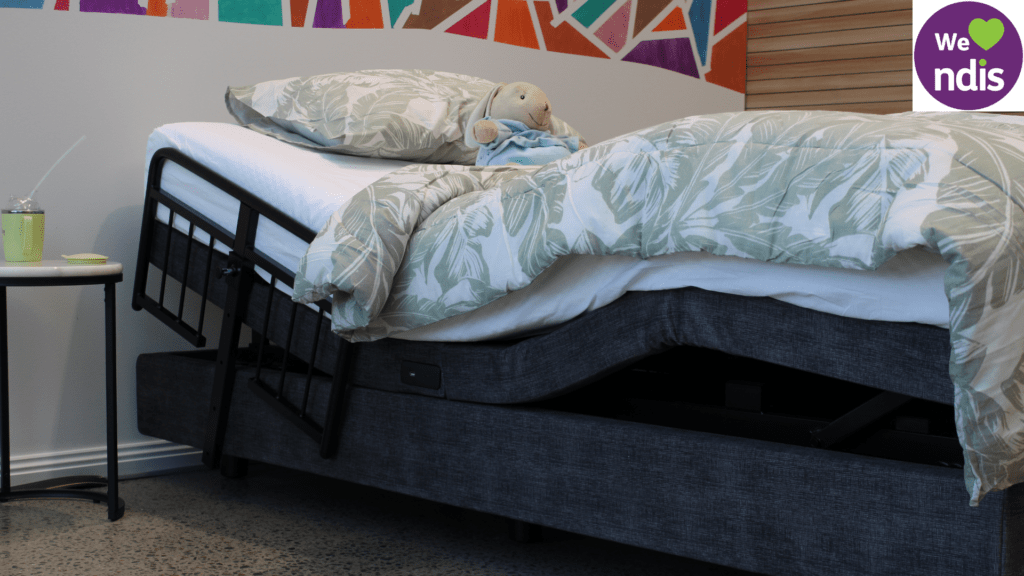
Nothing matters more in homecare than comfort, safety, and ease of use. From supporting recovery to managing ongoing care needs, bed choice can mean everything. The best homecare beds not only improve sleep but also reduce fall risk, relieve caregiver strain, and empower those with limited mobility to exercise some independence. In homecare beds, two common choices stand out: hi-lows which are electrically operated with height adjustments, and standard which are more usual conventional-style concepts of a bed in the bedroom set up. Both of these homecare beds can be utilized for a specific purpose; however, each has distinct advantages and limitations depending on the user’s needs. In this guide, we will look at the significant differences between the two choices. We will also walk you through the things you must consider for your right decision in purchasing homecare beds, such as safety, comfort, accessibility, cost, and caregiver convenience. Understanding Homecare Beds What Are Homecare Beds? Homecare beds are specifically designed beds for patients that need serious medical attention or assistance in movement but within their home. Unlike conventional beds, this kind of bed is furnished with features assisting mobility, providing physical therapy, reducing the burden for caregivers, and decreasing the chances of any fall or injury. Benefits of homecare beds: Mobility Assistance: Heights that can adjust downward help with easier access to the bed. Positioning and Comfort: Adjustable bed surfaces distribute pressure better and allow for better circulation.  Caregiver Efficiency: Adjustable heights allow caregivers to operate ergonomically and with reduced strain. Who Needs a Homecare Bed? A good homecare bed offers benefits for: Seniors needing assistance in moving to and from bed  Post-operative patients Those with joint problems, circulation disorders, or chronic pain  Physically disabled patients and stroke survivors  Home care givers in need of safe ergonomic support What Are Hi-Low Beds? Hi-low beds are beds which can be adjusted in height and designed for caregiving setups. It has the function of lifting or lowering the entire bed frame and adjustments for head or foot section to give maximum comfort and convenience. Features of Hi-Low Beds Motorised height adjustment from minimum 220mm to maximum 810mm Recline backrest (up to 70°) and adjustable footrest (up to 30°) for specific support Trendelenburg Tilt (up to 12°) to give a medical therapy position Soft padding and waterproof cover over mattress 4-sectional steel slatted platform to provide body support and airflow Individual locking castors (100mm) for the safety of movement Optional extras: side rails and patient lifts with lifting capacities of 80kg  Emergency lowering battery backup for power outages  24V power system for enhanced safety Benefits of Hi-Low Beds Enhanced Safety: Lower heights reduce fall risks – especially for older adults or anyone who has unstable balance. Best Comfort: Adjustable angles relieve pain, improve circulation, and allow for sounder sleep for users. Ease on Caregivers: Bed height adjustability reduces bending and lifting, preventing caregiver injury. Mobility and Independence: Electric controls allow for user repositioning without assistance. Build to Last: Sturdy design supports user weight limits – up to 185 kgs, and a safe working load of 220 kgs. Considerations When Choosing a Hi-Low Bed Space requirements: High-low beds need extra space for adjustment of height and access to caregivers. Ensure that your room allows ample movement around the bed. Cost: These beds are  more costly than regular beds, and many retailers offer financing or refurbished units. This is a long-term investment in safety and comfort. Online Store Availability: They are available over the Internet via medical suppliers for hi-low beds. You can compare features, read reviews, and order at home with delivery options included. What Are Standard Beds? Standard beds are non-adjustable, commonly used homecare beds. While they are reasonably comfortable, they are not optimized to caregiving or for those with mobility challenges. Features of Standard Beds Fixed height and design: No mechanical or electrical adjustments. Available in various styles and materials (wood, metal, upholstered). Accessories such as wedge pillows or bed rails are needed to provide extra support. Benefits of Standard Beds Affordability: Ideal for families looking for affordable options. Familiarity: Blends into traditional home décor and doesn’t look “clinical.” Availability: These beds are available in most furniture or mattress shops. Limitations of Standard Beds for Homecare Lack of Adjustability: Makes it difficult for the user to get into and out of bed or to arrange himself in the comforts of getting into bed. Caregiver Challenges: The fixed height causes caregivers to get into awkward positions.  Safety Issues: Accessories for fall prevention or mobility assistance may need additional devices to be added. Comparing Hi-Low Beds vs. Standard Beds 1. Comfort & Adjustability Hi-low beds are fully adjustable for head, feet, and overall height positions, making them ideal for any user with changing needs. Standard types of beds are set in height and position and therefore provide inadequate flexibility for comfort or care. 2. Safety & Accessibility Hi-low beds lessen the risk of fall with its low-entry position and make caregiving easier when adjustable for height. Standard beds need other accessories such as bed rails to be considered safer and more supportive for users with limited mobility. 3. Cost & Budget Considerations Standard beds are generally cheaper priced initially, making them appealing for temporary or light care. Hi-low beds require a larger investment but tend to offer some long-term value for their comfort, durability, and reduced caregiver strain. Explore affordable options for homecare beds. Where to Buy the Best Homecare Beds At Assistive Tech Hub, we’re committed to helping you find the best homecare beds for your unique needs. On our website, you can browse a wide range of homecare beds, compare features, and explore detailed product information—all from the comfort of your home. Not sure which option is right for you? Reach out to our team for expert advice before making a purchase—we’re here to guide you every step of the way. Conclusion Choosing the right homecare bed is about more than just comfort—it’s about safety, support, and peace of mind.

Hi-Low Beds vs. Standard Beds: Which One is Best for Homecare? Read More »

The Ultimate Checklist for Buying Mobility Aids Online

Mobility aids are equipment that allows people to keep track of their independence, safety, and comfort in their daily lives. From wheelchairs to walkers, these are essential things for those recovering from surgery, disabled, or belonging to the elderly audience generally dealing with mobility problems.  It is now easy to shop online for mobility aids. With access to a wide range of products, competitive pricing, and real user reviews make it convenient and fulfilling to shop at home — especially for those with limited mobility or access to stores in their local area.  There is much more than clicking “Buy” to choose properly. There should be proper assessment of one’s unique needs, product features, and a reputable seller. This checklist will take you through everything you’ll need to know for intelligent shopping before selecting mobility aids that are just right for your lifestyle. Understanding Mobility Aids What Are Mobility Aids? Mobility aids  are tools meant for use by the physically disabled to assist them in moving and function independently and safely. Mobility aids lessen the chances of falls, ease physical effort, and offer essential support during the day. Some of the most common types are: – Manual and electric wheelchairs – Mobility scooters – Walkers and rollators – Canes and crutches – Shower chairs, toilet rails, and patient lifters Each defines a specific level of support, from slight assistance in balance to very complex mobility solutions. Who Needs Mobility Aids? Not all mobility aids are meant for all. They come in different varieties for different users, such as: Elderly people who are having problems with balance or strength People who are disabled or chronic illness patients Recovering from surgical or accident injuries Caregivers to help their loved one, whether safe or unsafe. The right device can mean the difference between dependence and freedom of movement. Essential Checklist for Buying Mobility Aids Online 1. Identify Your Needs Before shopping, ask yourself or your healthcare provider: What is the kind of support needed? (Full-time, occasional, temporary?) Is there a medical condition or a need regarding mobility? Where is it going to be used most? Indoors, outdoors, or both? Does it pass the test of fitting your home layout and lifestyle? Clarifying your needs helps you narrow the options to avoid returns and customer dissatisfaction. 2. Research Different Types of Mobility Aids You have to learn about mobility aids before purchasing them. The different types pertain to the needs of the user, who lives in a defined home environment, and specializes in what you might need in lifestyle.  Here’s a breakdown by category and product: Wheelchairs & Power Chairs: Power Wheelchairs A battery-powered chair controlled by a joystick—ideal for users with limited strength or mobility. Good for use indoors and outdoors. Wheelchair Commodes: A combined type that offers a wheelchair with a commode in it for the comfort and hygiene of users who cannot use a normal toilet. Walkers and Mobility Scooters: Rollator Walkers These types of walkers have wheels and hand brakes and sometimes incorporate a seat where one can rest. They are really convenient and enhance mobility. Mobility Scooters These are electric scooters that cater to users with limited stamina or walking ability. They are great for running errands or moving around big spaces. Daily living aids Recliner Lift Chairs Help with sitting or standing safely. They are awesome for individuals with joint pain or muscle weakness.  Shower Chairs Provide a secure, comfortable seat while bathing. They reduce the risk of slipping and assist with hygiene independence. Support and Safety Equipment Adjustable Beds Allows the person to raise either the head or feet as needed for comfort, breathing support, or circulation improvement.    Patient Lifters (Hoyer Lifts) Hoyer lifts are used to lift or relocate a patient who can move very little or not at all.  Toilet Safety Rails Provides additional support and stability in that area of the house, i.e., the bathroom, prior to a potential fall risk incurred by transfers.  When comparing the differences between various options, consideration should be given to the user’s specific condition, how frequently that item will be used, and where it will be used. 3. Check Product Specifications Carefully read product specification details and look for: Weight limit — It should safely accommodate user occupation. Dimensions — Does it fit through your doorways or hallways? Adjustable — Adjustment greatly increases comfort. Portability — If you do a lot of traveling, check for a foldable or lightweight option. Ease of use — Look out for controls that are not difficult and installation that is simple. These details may seem minor but make a big difference for daily comfort and satisfaction. 4. Compare Prices and Budget Options Pricing is important, but so much more is the value. Compare brands and models across various platforms. Look out for package deals or wholesale prices. Check for financing options or if your insurance would cover it. Study the warranty and return procedures, particularly in respect to expensive aids. Affordable options don’t always mean low quality. Do your research to find the sweet spot between cost and performance. 5. Read Customer Reviews and Ratings You should never take the power of peer feedback lightly. Verify signed copy reviews. Look for common complaints like poor battery life or uncomfortable seats. Focus on highly-rated and widely distributed product Check real pictures and use examples. Reviews give you a clearer picture than product descriptions alone. 6. Verify Seller Credibility Buy from a reputable store or platform — your safety depends on it. Buy it from such trusted retailers like – the Assistive Tech Hub Store Look for  secure checkouts (HTTPS, verified payment gateways). Contact info and availability of customer service. Read the complete return, refund, and warranty policy.  Avoid sellers with vague listings or no customer support – these are red flags. Placing Your Order and After-Sales Support 1. Understanding Shipping and Delivery Policies Shipping policy matters for large items or even medical-grade items. Check for delivery time estimates. Verify whether it

The Ultimate Checklist for Buying Mobility Aids Online Read More »

How to Choose the Best Assistive Technology for Your Needs

Assistive technology has evolved as a reliable partner for improving mobility, independence, and the overall quality of life. While such devices may be mere conveniences to some, they can change the lives of those who consider themselves physically limited by age, disability, or recovery from an injury.  Even the simplest activity, such as moving about the house or performing the most fundamental self-care, can be accomplished with the right equipment, easily and almost seamlessly, reflecting everyday routine rather than a struggle. Indeed, today there is an incredible variety of assistive technology available. Some of the most important types of such technology include mobility devices—wheelchairs and scooters; daily living aids such as lift recliners and shower chairs; transfer aids such as hospital and homecare beds and patient lifters.  Each one of them serves its own specific purpose, intentionally and practically designed for managing different physical needs. Understanding Assistive Technology What is Assistive Technology? In simple terms, assistive technology is any device or system that helps a person accomplish the tasks that may be difficult for them. This does not just mean hightech devices; it can mean something as simple as a walking cane or as advanced as a voice-activated control system for the home. Some common examples include:  Mobility aids such as scooters and walkers Hearing devices for sound amplification Communication appliances for persons with speech disabilities Daily living aids like electric recliners or toilet rails   These are not simply devices but a way to restore dignity and ease day-to-day life. Who Can Benefit from Assistive Technology? The great thing about assistive technology is that it is not just for one category of people. Mobility-challenged individuals, irrespective of their disability, chronic illness, or neurological condition. The older persons who may need some extra help when it comes to aging. People who have had an operation or injury who might require some short term respite assistance during their period of healing. Of course, caregivers as well! Some technologies have reduced the burden of caregiving. No matter your age or situation, if there’s a barrier in your daily life, chances are assistive technology can help bridge the gap. Key Factors to Consider When Choosing Assistive Technology Okay, so you know what assistive tech is. Now let’s talk about how to choose the right product for your unique situation. 1. Assessing Your Needs You begin to ask the main questions: Which major obstacle are you trying to overcome? Is it safe to walk within the home? Or assistance in standing up? Or independence in showering? It helps to: Talk to your doctor or occupational therapist Make a list of daily struggles or risks Think about future needs, not just current ones You want a solution that supports you, not one-size-fits-all. That’s where personalized recommendations can be a game-changer. 2. Types of Assistive Technology Available Let us now discuss some of the common assistive technology: Mobility aids: Mobility aids provide support for individuals unable to walk or move around freely. Some of these are as follows: Wheelchairs allow for seated mobility for individuals who cannot walk or tire easily. Walkers/ rollators help provide stability and support to individuals with balance or strength problems. Mobility scooters are very useful for covering longer distances with minimal effort and suitable for shopping, going to the park, or just comfortably going about. These aids ensure that their users can move independently, remain active, and minimize their chances of falling. Daily living aids: All these tools are aimed to assist in making daily routines more possible and safer such as getting dressed, bathing, or using the bathroom. Lift recliner chairs gently support an individual to sit down and stand up without strain. Shower chairs and bath seats are used for added safety and comfort during bathing, especially on slick surfaces. Toilet rails or safety frames help provide stability and support while using the bathroom. Daily living aids are easy to fit in the house and make a great difference in safety and confidence. Patient Transfer Aids These assistive technologies help caregiving professionals and patients move safely, such as getting a patient from bed to chair or from a wheelchair to a toilet. Electric and adjustable beds allow for any angle of inclination for patient comfort or ease in caregiving. Patient lifters transfer patients with little effort yet maximum safety, reducing stress for both the patient and the caregiver. These aids can be particularly important in preventing injuries in the caregiving setting to facilitate safer, easier transfer. How to Choose the Right Assistive Technology When you have many options, how will you really select the best from all? 1. Comfort and Usability This is seriously the most important. If it is not comfortable and you do not want to put it in use, then it will sit in the closet. Adjustability in seat height or armrests or reclining angles  Simple controls especially for older people  It should be easy to clean and maintain—trust us this is vital! Try it before you buy it if possible. Otherwise, check out the detailed descriptions and customer reviews of products online or in stores. 2. Durability and Quality You are looking for something that would last and resist the rigors of daily use. So, here are the things to check out: What is it made of? Aluminum frames and waterproof are pretty standard for wonderful items. Are there  reviews regarding wear and tear? Does it have a warranty or return policy?   Quality matters more than you might think for devices that support weight or assist movement. 3. Cost and Budget Considerations Finding the right assistive doesn’t have to be costly, here are some tips that can give you ways to make it budget-friendly. Explore affordable options to find cost-effective solutions that still meet your needs. Check what your insurance does cover  to see if any part of the cost is reimbursable. Consider your eligibility for NDIS funding since many of the assistive devices are covered by that scheme. It is also worth

How to Choose the Best Assistive Technology for Your Needs Read More »

Why You Need a Car Assist Handle Set for Safe Transfers

Some people with limited mobility face daily challenges while getting in and out of a car. Be it aging, injury, or chronic conditions, these transfers can indeed become a risk. The Car Assist Handle Set is a simple-looking tool but incredibly efficient in making transfers safe and independent, thus reducing chances of injury and the reliance on another person. What is a Car Assist Handle Set? The Car Assist Handle Set is an assistive device designed for better secured and stable support while moving into or out of the vehicle. It fits into the U-shaped striker plate in the car door frame and instantly becomes a reliable handle for users to hold onto. Common Injuries from Car Transfers Loss of balance or foothold, especially while stepping in and out from the car seat Joint strain or muscle fatigue for the elderly or for those who have recently undergone surgery Dependence on somebody else, which may further damage self-confidence and mental well-being Even the caregivers of a loved one could be harmed if the transfer is not conducted with the appropriate support. Features of the Car Assist Handle Set A solid ergonomic handle or an adjustable hanging strap Built-in emergency tools, including: A safety hammer for breaking car windows A seatbelt cutter for making a quick escape A LED flashlight for visibility when it’s dark Constructed of reinforced materials, ABS plastic, stainless steel, and a non-slip PVC grip Lightweight with no installation tools required Key Benefits of Using a Car Assist Handle Set 1. Improved Safety and Stability A stable grip point for entering and exiting a vehicle, the handle reduces slips, trips, or falls due to transfer. It’s also firm and non-slip in all weather conditions. 2. Enhanced Independence Provides extra support to the user in transferring from sitting to standing without assistance and enhancing their freedom and dignity. 3. Easy to Use and Portable The Car Assist Handle is extremely lightweight and can easily fit into a glove compartment, bag, or scooter basket. 4. Reduces Physical Strain The design reduces strain on joints and muscles, particularly for individuals with arthritis or mobility problems. View Product: Car Assist Handle Set Who Can Benefit from a Car Assist Handle Set? Older adults with balance or mobility challenges Post-surgery patients recovering from hip, knee, or back procedures People with arthritis, joint pain, or limited flexibility Individuals using mobility scooters Caregivers assisting others with daily transportation How to Choose the Best Car Assist Handle Set 1. Weight Capacity and Durability Handles should support at least 136 kg and be made of reinforced materials such as stainless steel or heavy-duty ABS plastic. 2. Comfortable Grip and Non-Slip Surface Non-slip grip padding is essential for those with arthritis or limited hand strength. 3. Compatibility with Different Vehicles Ensure that the handle fits your vehicle’s door latch or window frame before purchasing. Where to Buy a Car Assist Handle Set in Melbourne? You can find a reliable Car Assist Handle Set at Assistive Tech Hub. We offer a carefully selected range of mobility aids. For businesses, care facilities, or healthcare providers, our Wholesale service is ideal for bulk orders. Need help choosing the right product? Contact us for guidance and product recommendations. Other Essential Daily Living Aids for Mobility Support Grab bars for home entryways and bathrooms Portable ramps for wheelchairs and scooters Walker accessories that improve stability and convenience Explore More Daily Living Aids Conclusion A Car Assist Handle Set is more than just a handle—it’s a gateway to safer, more confident mobility. By reducing fall risk, supporting independence, and protecting both users and caregivers, this simple tool plays a vital role in everyday transportation. If you or someone you care for faces difficulties getting in and out of a car, investing in a reliable assistive device like the Car Assist Handle is a smart, proactive step toward improved safety and quality of life.  

Why You Need a Car Assist Handle Set for Safe Transfers Read More »

 Heavy-Duty Rollator Walkers: Are They Worth It?

Mobility aids, such as rollator walkers, are a big help for many people. They are often recommended for someone who needs help to stay steady while walking but does not need a wheelchair. Features provided by rollators include a seat and hand brakes, which enhance safety and comfort while moving in daily life. Not all walkers are created equal. Some users feel that the standard models are either too light or lack support for long walks, especially outdoors. In such cases, a heavy-duty rollator might work better. Heavy-duty rollators are typically for people needing more support than the average walking frame offers. That could mean someone who weighs more, uses the walker for long walks, or simply wants something that feels sturdy. Those with a larger body frame Elderly people looking for something that feels more stable Users recovering from surgery, such as knee or hip replacement Anyone who is going to use their walker in the outdoors frequently In this article, we will look closely at heavy-duty rollators to know who they are suited for, how they differ from the regular types of walkers, and whether they’re worth the added cost. What Makes Heavy-Duty Rollator Walkers Different? A heavy-duty rollator is generally designed with greater resilience and has a heavy-duty performance compared to standard models. It may look like all other models, the materials, construction, and comfort features are noticeably improved. From frame design to the size of the wheels is optimized for people who need longer-lasting reliability and greater safety in every use of everyday life. Key Features of Heavy-Duty Rollators Increased weight capacity Heavy-duty models can hold higher weights; usually up to 130-150 kg or more. Thus, they are suitable for persons feeling too insecure using lighter frames. Sturdy frame for enhanced durability Frames are reinforced in heavy-duty aluminum or steel to offer extra strength. These frames are meant to last; particularly for people who make use of walk-in jobs often or for longer distances. Larger wheels for better stability and outdoor use Heavy-duty rollators often come with 8″ or even 10″ wheels. These bigger wheels should improve traction and control on uneven sidewalks, gravel, or grass, bringing about a safer environment while walking. Comparison with Standard Rollator Walkers Strength and durability differences Standard rollators work for light uses but they are not really made for heavier loads or for frequent outdoor use. Heavy-duty rollators have frames that are stronger and more reliable that hold up better over time. Maneuverability and ease of use Heavy-duty models may weigh a little more, but they are still easy to operate. They fold easily for storage and usually have 360-degree rotating front wheels for easy maneuverability, even in tight areas. Comfort and ergonomic design It has seats, armrest, and handles of wider design that take off much strain from the body in order to provide a much more supportive and tailored experience. Top Heavy-Duty Rollator Walkers: Reviews & Features 1. Best Overall: [Heavy Duty Rollator Walker] The Lightweight Heavy Duty Rollator Walker is a reliable blend of strength, comfort, and convenience. It supports users that require additional stability, but do not like the bulky design. Easy folding of the frame allows storage and transport. The wider seat is padded, with adjustable ergonomic handles that match the height of the user. Features: Aluminum frame that folds one-hand easily 8-inch front wheels and 10-inch rear wheels facilitate smooth movement The front wheels rotate 360° for easy turning Loop brakes for extra safety Storage bag and cane holder included Height-adjustable handles accommodate different users Padded and widened seat Who should consider that model? This model is an option for users who need an all-purpose rollator that works well indoors or outdoors. If you are looking for a walker that strikes a balance between durability and comfort- serving as a strong, all-around option that does not weigh very much. 2. Best for Portability: [Double Folding Rollator Walker] This Lightweight Double Folding Rollator Walker has been designed to accommodate conveniences. The unique dual folding frame allows it to collapse both horizontally and vertically serving for more compact storage and easier carrying. Lightweight, yet, it offers a steady performance for everyday use. Key features: Double folding aluminum frame for tight storage spaces Height adjustable handles for ergonomic use Sensitive loop brakes system for enhanced safety 360° Swivel front wheel for easy maneuverability 8-inch PVC wheels for multi-surface stability Comes with shopping bag and cane holder Due to its double folding design this model storage space is small when not needed and very compact when not in use. Great for those who need to stow in a car, take on public transport hauls, or into tight living quarters. 3. Best for Comfort: [Upright Rollator Walker] The Lightweight Upright Rollator Walker carries an upright position to support natural walking. Forearms support plus adjustable height armrests relieve backs, shoulders, and wrists. It folds and is lightweight-a daily fitness companion.  Features: Foldable frame makes it more compact Height adjustable forearm rests Responsive hand brake system 8-inch PVC wheels causing smooth turns Generous storage pouch Padded backrest and arm support Improved posture design and ergonomics  The design of the upright handle and the arms is suggesting that they should be placed in a natural way to maintain the proper alignment and reduce strain in the upper body. Pros & Cons of Heavy-Duty Rollator Walkers Advantages Greater stability to enhance safety and movement Heavier user weight capable Durably constructed for years of use Wide seats and ergonomic handles ensure maximum comfort Big wheels for good performance outdoors Potential Drawbacks Heavier and less portable as compared to a regular model Bulky size makes it a challenge for small-space storage Much more expensive than basic rollators Need to do a lot of work to lift or transport it Not too great for narrow indoor hallways or tight turns. How to Choose the Right Heavy-Duty Rollator Walker Key Factors to Consider Weight capacity: Always choose a walker rated above your body weight. Wheel size

 Heavy-Duty Rollator Walkers: Are They Worth It? Read More »

Top 3 Upright Rollator Walkers for Maximum Stability & Comfort

So maybe you’re helping a loved one. Or maybe it’s you—you’re finding it harder to get around than before. Either way, mobility matters. Big time. Now, you’ve probably seen those old-school walkers before, right? The ones people sort of hunch over? Sure, they work—but if we’re being honest, they’re not the most comfortable thing out there. That’s why a lot of people are switching to upright rollator walkers. They’re designed to help you stay standing tall while you walk. No need to lean forward or feel stiff. Why Choose an Upright Rollator Walker? Benefits of an Upright Rollator Walker Improved posture and reduced strain on the back Most regular walkers make you bend forward, and over time, that can leave your back and shoulders feeling sore. They’re just not built for comfort. Upright rollators flip that script. They’re made so your arms rest higher and your back stays straight. Seriously, the difference it makes is huge. Better stability and balance These walkers feel solid. The wheels are sturdy, the frame doesn’t wobble, and the brakes are super easy to use. You feel safer walking, turning, or even just standing still. It gives you that “I got this” kind of confidence. Enhanced maneuverability for indoor and outdoor use Inside your home? Yep. Out for a walk? Also yes. Most upright rollators roll smoothly over carpet, tile, pavement, and even slightly uneven ground. Plus, some models fold up and fit right in your car. Who Should Use an Upright Rollator Walker? These walkers are great for a range of people, including: Older adults looking to stay independent Post-surgery patients recovering from hip or knee replacements People with arthritis or chronic joint pain Individual with balance issues or low endurance Caregivers looking for a safe, helpful tool for their loved ones If walking’s gotten harder, slower, or more tiring—an upright rollator could really change things for the better. Top 3 Upright Rollator Walkers for Stability & Comfort 1. Best Overall: Lightweight Upright Rollator/Walker If you’re looking for something that works well in most situations, this lightweight upright rollator checks all the boxes. It’s comfortable, folds up without a hassle, and looks sleek too. Who It’s Great For: Seniors with mild to moderate mobility issues People recovering from surgeries Individuals dealing with arthritis Caregivers needing a reliable everyday solution Features: It folds up easily—no wrestling required The armrests adjust, so you can walk upright without slouching The seat has a soft backrest (super handy if you need a break) 360° swivel wheels make turning corners smooth The storage bag underneath holds your essentials Specifications: Weight Capacity: 136 kg Handle Height: 1100–1225 mm Seat Width: 450 mm Net Weight: 8 kg Material: Aluminum Certified: TGA, ISO13485, ISO9001 2. Best for Portability: Lightweight Double Folding Rollator/Walker If you’re always on the go, a lightweight double folding rollator/walker makes life way easier. It folds up small and still gives you all the stability and comfort you’d expect. Perfect For: People who travel or go out often Apartment living or limited storage Anyone who wants a lighter, low-maintenance walker Features: Double folding frame—easy to stash in the car or closet Soft, grippy handles that adjust to your height Safe loop brakes that hold tight when you need to stop Comes with a shopping bag and a cane holder Smooth, durable 8-inch wheels Specifications: Weight Capacity: 136 kg Handle Height: 815–940 mm Seat Width: 450 mm Weight: 8 kg Certified: ISO, CE, TGA This one’s perfect if you’re always out and about. It’s light, it folds quickly, and you don’t have to sacrifice comfort or safety for portability. Total win. 3. Best for Heavy-Duty Support: Lightweight Heavy Duty Rollator/Walker Need something sturdier? This lightweight heavy duty rollator/walker was made for people who want extra support. It’s got a wider seat, stronger frame, and big rear wheels for better balance. Best Suited For: People with larger builds Post-surgery or sports injury recovery Those who want a stronger, steadier feel Features: One-hand folding (yes, really—just one hand) Widened seat that’s actually comfy to sit on Bigger rear wheels for better control outdoors Cane holder and storage bag included Adjustable handles for perfect posture Specifications: Weight Capacity: 200 kg Handle Height: 910–1010 mm Seat Width: wider than most Weight: 9.5 kg (net), 12.1 kg (gross) Wheel Size: 8″ front, 10″ rear Certified: TGA, ISO13485, ISO9001, CE It gives you the extra space and stability you need, while still being easy to move and fold. If you need more support than the average walker can give, this is your go-to. How to Choose the Right Upright Rollator Walker Key Features to Consider Choosing a rollator might seem overwhelming at first, but don’t stress. Think about what makes your day easier. Here’s some stuff worth keeping in mind: How much weight can it handle? You’ll want something strong and steady—especially if you’re counting on it daily. Bigger support usually means better peace of mind. Can you adjust the handles? Nobody wants to lean too far forward or feel scrunched up. Adjustable handles help you stand straighter and feel more natural. How big are the wheels? If you’re planning to use it outdoors, go for one with chunkier wheels. They roll smoother on sidewalks and uneven paths. Is the seat comfortable enough? If you think you’ll need to sit and rest from time to time, look for a wider seat with padding. It makes a big difference. Does it fold up easily? Living in a small apartment or hopping in and out of cars? A foldable or double-folding walker is super helpful for storage and travel. Maintenance and Care Tips Keeping your upright rollator in top shape is easy with just a little attention: Got dirt or dust on it? Just give it a quick wipe-down, especially if you’ve been outside. Every couple of weeks, take a sec to check the brakes. Make sure they still feel firm and responsive. If something feels a little wobbly, grab a screwdriver and tighten it up. Loose

Top 3 Upright Rollator Walkers for Maximum Stability & Comfort Read More »

How to Choose the Right Rollator Walker: A Complete Guide

Understanding Rollator Walkers Rollator walkers are specifically designed for assisting a person to keep independence while improving stability and preventing the risk of falls. They have wheels, brakes, and usually a seat with it so that users can rest when needed. Whether it is for surgery recovery, mobility problems due to age, or just pure ergonomic walking needs, the perfect rollator walker may provide a big impact to one’s confidence and quality of life. Types of Rollator Walkers Each rollator type has distinct features catering to different needs. Here’s a look at the most popular categories: Folding rollators Folding rollators are perfect for those seeking lightweight, and easy to store mobility aid. They are designed to be folded in one direction for convenience, and can fit into car trunks, closets, or compact apartments. The aluminum frame provides maximum strength against lightness. Most have padded seats, under-seat storage, and hand brakes. Whether you want a walk in the park or have errands around the town-a folding rollator walker provides perfect mobility. Double Folding Rollator Walker The Lightweight Double Folding Rollator/Walker takes folding functionality to another level. Weighing just 8kg, it incorporates a double-foldable mechanism which compresses both horizontally and vertically, making it more ideal for small car storage places or overhead compartments on planes. Key features: Space saving storage by means of a double foldable frame Height-adjustable handles for personalized ergonomics 360° rotatable front wheels with seamless navigation A sensitive loop brake system with plucking 8-inch PVC wheels for durability Comes with a shopping bag and cane holder for convenience The walker combines convenience, performance, and stability, making it a great option for people who travel frequently, or with limited storage spaces. Upright Rollator Walker  The Lightweight Upright Rollator/Walker is specially designed for users who prioritise posture and ergonomic alignment. It comes with a minimum weight of only 8 kilograms, so the user can walk upright without having  back or shoulder strain. This is perfect for those who have postural problems or chronic back pain. Key Features: Folding frame for easy storage and travel  Height adjustable armrests for support of proper posture  Hand brakes for secure walking and parking equipment  Large storage bag for personal belongings  Wheels rotate 360° for easy maneuverability  Padded armrests and backrest for additional comfort From grocery shopping to coffee breaks, this lovely rollator is amazing for not only helping with posture, but also adding style! Heavy Duty Rollator Walker The Lightweight Heavy-Duty Rollator or Walker is purposely made for larger individuals or anyone who would need robust support. Despite a lightweight design of 9.5 kg, it offers good weight capacity and a wide seat, so whichever one you choose will be comfortable and safe.  Key Features: Folding one-handed into a super-compact size Adjusted handle height for improved posture Loop brake system for a secure journey 360-degree swivel front wheels for easy maneuverability Wheel sizes: 8 inches in front and 10 inches in rear for varied terrains Extra-wide seat provides extra support for resting  Comes with a storage bag and cane holder This heavy-duty rollator-walker is really good for a walk over land, long distances, or for very heavy-duty endurance needs. Key Features to Consider When choosing the best walker from this right rollator walker guide, here’s what to keep in mind: Weight Capacity The Rollator must be weight good enough to aid the user’s weight. Heavy duty rollator is for those who need a greater support system, while light-weight users may prefer those which meet their daily needs. Wheel Size For smooth roads, 6-8 inches are enough. If you have bumpy or difficult terrain, opt for larger wheels like the heavy-duty model that goes all the way up to 10 inches for easier navigation and shock absorption. Adjustability Height adjustable handles or armrests would also offer a more ergonomic hold and cushioning for long walks. Upright rollators offer armrest adjustability, too, making it very ideal for the customised support. Portability Double-folding designs are perfect. They are very easy to store and transport without affecting the structure or usability, which is useful for traveling or storing in a car and apartment. Benefits of Using a Rollator Walker Freedom in movement without constant aid of a caregiver Reduced incidence of fall injury due to steadiness and its braking feature Accompanied by in-built padded seats, it allows for rest on the go Ability to carry personal items in the baskets or bags underneath the seat  Help for better posture support with up-right rollators Gaining confidence in social and public environments Where to Buy Quality Rollator Walkers Are you ready to start looking for that perfect rollator walker that enhances your lifestyle? At Assistive Tech Hub, you’ll be able to browse through a carefully selected range of rollators of the highest standard, all designed for safety, comfort, and ease of use. Whether your needs are for a lightweight foldable model, for an upright walker that helps correct your posture, or for a heavy-duty walker with extra support, we have you covered! We take the guesswork out of buying mobility aids. Every product is chosen carefully based on real user needs, so you can have confidence buying from us. Related Products: Automatic Folding Mobility Scooter Mobility Scooters Category Get Assistance Not sure about anything? Our expert support team will answer your questions and help you find just the right rollator. Are you  looking for wholesale pricing and customised packages for your clinic, aged care home, or mobility store? Well, we can do that, too.

How to Choose the Right Rollator Walker: A Complete Guide Read More »

The Best Automatic Folding Mobility Scooters for Easy Travel

Traveling can be sometimes a challenge for individuals with mobility challenges, whether for leisure or daily errands. Most standard mobility aids are often just not portable enough and so hinder an individual’s independence while on the go. Automatic folding mobility scooters come in as a game changer. These innovative devices offer a seamless solution combining a compact yet smart folding design. They are easy to carry and support great weight while being handy for storage. Whether at the airport, on a cruise, or just roaming around the local market, portable mobility scooters allow the journey to be stress-free and enjoyable. If you are searching for mobility scooters in Melbourne or simply want to know which model suits your lifestyle best, this guide has you covered. Why Choose an Automatic Folding Mobility Scooter? 1. Portability and Convenience One of the best features of automatic folding mobility scooters is that they can be folded effortlessly. Just by the press of a button, these scooters fold  to a compact shape that will fit into car boots, closets, or the overhead compartments of planes. Long gone are the days of struggling with tools to disassemble scooter parts or straining your muscles for it. That makes these very convenient products for the aged and their caregivers, who might struggle with traditional manual scooters. 2. Travel-Friendly Design Travelling by plane, train or cruise? All scooters are mostly airline-accepted and have transport regulations meaning they won’t be logistical headaches at the airport. Their space-saving dimension easily fits in elevators and narrow aisles, perfect for busy cities and travel hubs. Many automatic folding models come weighing anywhere from as low as 20 to as heavy as 30 kg, which makes these scooters one of the lightest mobility products available for sale today. 3. Ease of Use The days of relying on a manual for operating a scooter are long gone. The modern mobility scooters are extremely user-friendly, with easy joystick or handlebar controls and intuitive displays. Most users are able to master the steering, braking, and folding in minutes-all in comfort from an ergonomic padded seat. Features to Look for in an Automatic Folding Mobility Scooter When choosing the right portable mobility scooter, consider the following essential features: Lightweight Frame: Choose models that weigh below 30 kg; sturdy but easy enough to be lifted or rolled about. Battery Range: Some range can go up to 15-25 km depending on the model; more so, lithium batteries are the best for air transport. Comfort Seating: Search for cushioned seats, adjustable armrests, and open legroom. Safety Features: Gives added security with LED headlights, anti-tip wheels, reflectors, and electromagnetic brakes. Weight Capacity: Make sure that the scooter accepts your weights comfortably-most scooters generally weigh  between 100 and 150 kg. Best Automatic Folding Mobility Scooter for Easy Travel One of the top-rated models available is the Automatic Folding Mobility Scooter. It combines cutting-edge technology with comfort and ease of use, making it perfect for individuals seeking an effortless travel solution. Key Specifications: Folds and unfolds automatically with one click (remote or button) Lightweight at only 23.8kg Dual quick-release lithium batteries Keyless NFC unlockingUSB charging port for phones or devices Adjustable handlebars and wide fireproof seat 7 integrated lights (headlights, turn signals, taillights) Auto-activating intelligent brake system Four shock-absorbing honeycomb wheels Durable frame supports up to 140kg LED display for speed, battery, and mileage Electric/manual driving modes Removable armrests for adaptive seating Handles slopes of up to 15°   Where to Buy Automatic Folding Mobility Scooters Assistive Tech Hub Store Browse a carefully selected range of high-quality mobility scooters and accessories. Their automatic folding models are ideal for travel and everyday use, with expert support available online or by phone. Wholesale Options Need multiple units for a business or healthcare facility? Wholesale options are available for bulk purchases, with competitive pricing and flexible delivery options. Contact Us Not sure which scooter fits your needs? The Assistive Tech Hub team offers friendly guidance to help you choose the best mobility solution based on your lifestyle and requirements. Mobility Scooters Category Explore a full category of mobility scooters tailored for different users—from lightweight folding scooters to heavy-duty travel models. It’s easy to compare and find the right fit. Conclusion Automatic folding mobility scooters offer a practical and convenient way to maintain independence while traveling. Whether you need a scooter for local errands or international trips, investing in a high-quality model will enhance your mobility and overall quality of life. For the best deals on mobility scooters Melbourne, visit Assistive Tech Hub

The Best Automatic Folding Mobility Scooters for Easy Travel Read More »

Compare Products

Scroll to Top