Assistive Tech Hub

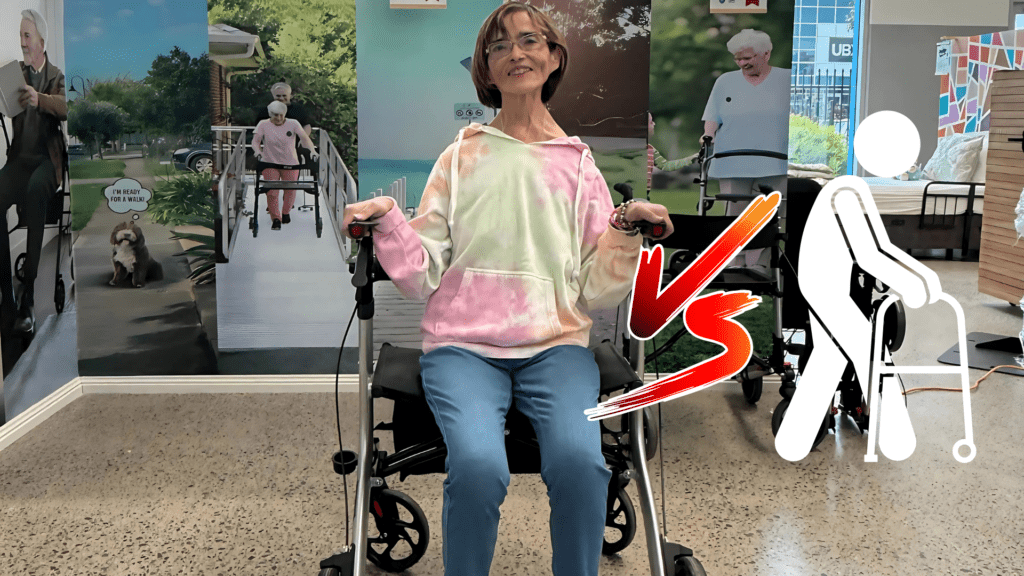
4-Wheel vs 2-Wheel Walkers: What’s Best for Your Mobility?

When it comes to choosing a mobility walker, many seniors and individuals with mobility challenges often find themselves deciding between two common options—4-wheel walkers (also called rollators) and 2-wheel walkers. Both serve the same fundamental purpose: to offer stability, safety, and support. However, they differ in features, functionality, and ideal use cases. At AssistiveTechHub.com.au, we believe that choosing the right walker is not just about mobility—it’s about improving daily life. This guide helps you understand the differences between 4-wheel and 2-wheel walkers so you can make an informed choice that suits your lifestyle and health needs. Understanding the Basics: What Are Mobility Walkers? Mobility walkers are assistive aids designed to help individuals with limited balance or strength walk more safely. They are especially helpful for people recovering from surgery, managing chronic health conditions, or dealing with age-related mobility decline. Walkers offer varying degrees of support depending on the design. Some require lifting and stability from the user, while others are built for smooth, wheeled movement with minimal effort. The two main types discussed here—2-wheel walkers and 4-wheel walkers—each have unique features that cater to different needs. What is a 2-Wheel Walker? A 2-wheel walker is designed with two front wheels and two rear legs with non-slip rubber tips. The front wheels help guide movement, while the back legs provide added friction and stability. To move forward, the user either pivots or lifts the rear portion of the walker. These walkers are generally lightweight and compact, making them suitable for indoor use, short distances, and narrow spaces. People who use 2-wheel walkers typically have enough upper body strength to lift or slightly maneuver the walker as needed. They offer stability without the momentum or free-rolling motion of a 4-wheel walker, which is ideal for individuals who need more control while walking. What is a 4-Wheel Walker? A 4-wheel walker, commonly known as a rollator, comes with four wheels, hand brakes, a seat, and often a basket or storage pouch. These walkers offer maximum mobility without the need to lift the device while walking. They glide smoothly across a variety of surfaces, both indoors and outdoors, and are perfect for individuals who want support but also value convenience, comfort, and freedom of movement. Rollators are especially helpful for people who tire easily, as the integrated seat allows them to rest whenever needed. Many models also come with adjustable handles and foldable frames for easy transport and storage. Pros and Cons of 4-Wheel Walkers Pros: Enhanced Mobility: 4-wheel walkers are easier to push and do not require lifting, making them ideal for users with limited upper body strength. Built-In Seating: A padded seat and backrest provide a comfortable place to rest during longer walks or outings. Braking System: Hand brakes offer added control and safety, especially on slopes or uneven terrain. Storage Options: Most models come with baskets or pouches, making it easy to carry personal belongings or shopping items. Foldable and Portable: Many rollators fold flat, making them convenient to store in a car boot or a closet. Cons: Heavier Frame: Rollators tend to be heavier than 2-wheel models, which may be a concern for some seniors. Bulky for Indoor Use: Their larger size can make them difficult to maneuver in small or cluttered indoor areas. Higher Cost: Due to their advanced features, 4-wheel walkers are generally more expensive. Explore options like the Double Folding Rollator Walker and the Upright Rollator Walker for reliable performance and portability. Pros and Cons of 2-Wheel Walkers Pros: Lightweight and Easy to Handle: The simpler design makes these walkers easier to carry and transport. Better for Indoor Spaces: Their smaller frame is ideal for tight corridors, kitchens, and bathrooms. Affordable: These walkers are more budget-friendly compared to rollators. Increased Control: The user controls each step more deliberately, reducing risks of accidental rolling. Cons: Requires Lifting: Users must exert more effort to move the walker forward, which can be tiring. Less Suitable for Outdoor Use: Without all-wheel mobility, they struggle on uneven ground. No Seating or Storage: Most 2-wheel models lack features like a seat or basket, limiting their convenience. These walkers are a good fit for people who walk shorter distances indoors or are just beginning to use a mobility aid. Key Factors to Consider Before Choosing Mobility Needs: Consider how much support is needed. A person with significant balance issues or fatigue may benefit from the seat and enhanced stability of a 4-wheel walker. In contrast, someone who only needs minimal support indoors may prefer the simplicity of a 2-wheel walker. Environment: If the walker will be used mainly inside the home or on flat surfaces, a 2-wheel walker is sufficient. But for outdoor use—especially for activities like grocery shopping or walking in the park—a 4-wheel walker is more suitable. Physical Strength: A 2-wheel walker requires the ability to lift or pivot slightly. For seniors with arthritis or limited arm strength, a 4-wheel rollator that glides easily may be the better option. Travel and Storage: For users who travel frequently or live in compact spaces, foldable models are best. Our Heavy Duty Rollator Walker offers a balance between durability and portability. Budget: Cost is another deciding factor. While 2-wheel walkers are less expensive, 4-wheel models offer more features, justifying the investment for those who use them daily or require more versatility. Maintaining Your Walker Regardless of the model you choose, routine maintenance ensures your walker stays safe and functional. Check brakes and wheels regularly, especially if you use your walker outdoors. Clean it with a damp cloth and mild soap, and store it in a dry place. If your walker folds, follow the manufacturer’s guidelines to prevent wear on the folding mechanism. FAQs Can I use a 4-wheel walker indoors? Yes, but it may be more difficult in narrow spaces or crowded rooms. Is a seat necessary on a walker? A seat is beneficial for those who tire easily or spend extended time walking. Are brakes essential on a walker? Yes, particularly for rollators,

4-Wheel vs 2-Wheel Walkers: What’s Best for Your Mobility? Read More »
Choosing the Right Mobility Walker: Types, Tips, and Top Picks

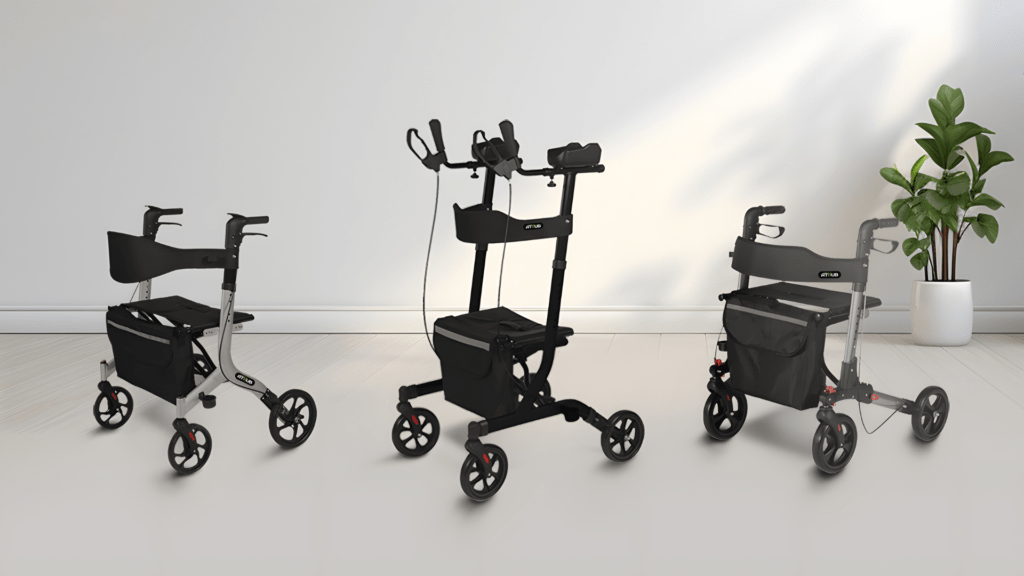
Mobility walkers play a crucial role in enhancing independence and safety for seniors and individuals with mobility challenges. Choosing the right walker can make daily life easier and safer, allowing users to move with more confidence and less fatigue.At Assistive Tech Hub, we understand that each person’s mobility needs are unique. This comprehensive guide explains the different types of mobility walkers, offers tips for choosing the best one, and features some of the most recommended models available in Australia. What Is a Mobility Walker? A mobility walker is a support device designed to help individuals who have difficulty walking or maintaining balance. These aids provide stability and reduce the risk of falls, which is especially important for elderly individuals or those recovering from surgery or injury.Mobility walkers come in various designs, including standard non-wheeled versions and advanced models with wheels, seats, and storage features. Choosing the right type depends on the user’s lifestyle, environment, and physical condition. Types of Mobility Walkers 1. Standard Mobility Walker This basic walker comes with four non-wheeled legs. It offers the highest level of stability and is ideal for users who need firm support and can lift the walker slightly to move forward. It’s especially helpful indoors and on flat surfaces. 2. Rollator Mobility Walker Rollators are equipped with four wheels, brakes, a padded seat, and a storage pouch or basket. They are perfect for individuals who can walk but need occasional rest. The seat allows users to take breaks, while the wheels make navigation smooth and effortless.Explore Rollators → 3. 3-Wheel Mobility Walker Three-wheel walkers are more compact and easier to maneuver in tight spaces. While they don’t have seats, they are lighter and more suitable for indoor use. This type is ideal for users with mild mobility limitations who value flexibility and compact design. 4. 4-Wheel Mobility Walker Four-wheel walkers offer increased stability, better control, and added features like seating and storage. They are suitable for both indoor and outdoor use and are great for seniors who like going on longer walks.View Heavy Duty Rollator → 5. Lightweight Mobility Walker Constructed from aluminum or carbon fibre, lightweight walkers are easier to handle, especially for seniors who travel or lift their equipment frequently. A carbon fibre walker is both strong and exceptionally light, combining performance and portability. 6. Mobility Walker with Seat This type includes a built-in padded seat for rest. It’s a top choice for elderly users who tire easily while walking. Many rollator walkers offer this feature for increased comfort and practicality.See Double Folding Rollator Walker → Tips for Choosing the Right Mobility Walker Selecting a walker is not just about style or price—it’s about matching it to the user’s needs. Here are important factors to consider: 1. Level of Support Needed If the user requires full support and stability, a standard walker is best. For those who can walk steadily but need balance assistance, a rollator or wheeled walker offers more freedom. 2. Portability and Weight Lightweight and foldable models are ideal for seniors who travel or store the walker frequently. Carbon fibre walkers are highly durable yet easy to lift. 3. Terrain and Usage For primarily outdoor use or uneven surfaces, opt for a 4-wheel walker with durable wheels. For tight indoor spaces, a 3-wheel walker provides better maneuverability. 4. Comfort and Adjustability Adjustable handles and padded seats add significant comfort, especially for users with arthritis or joint pain. 5. Storage Options Walkers with built-in baskets or pouches can help users carry essentials like phones, water bottles, and personal items. 6. Budget and Value While budget options are available at places like Kmart Australia, always ensure that the walker meets safety and quality standards before purchasing. Recommended Mobility Walkers in Australia Looking for a reliable walker? Here are some top-rated picks available at AssistiveTechHub.com.au: Double Folding Rollator Walker: Compact, foldable design with a built-in seat and storage. Great for travel and daily use. Heavy Duty Rollator Walker: Offers extra stability and durability, ideal for larger users or rugged terrain. Upright Rollator Walker: Promotes better posture by allowing the user to walk upright, reducing strain on the back and shoulders. Carbon Fibre Rollator (Coming Soon): Premium mobility solution offering advanced lightweight performance for active seniors. How to Choose a Mobility Walker for Elderly Users Here are a few steps to ensure the walker is a good fit: Assess the user’s mobility, strength, and balance. Determine if the walker will be used indoors, outdoors, or both. Check if features like a seat, storage pouch, or adjustable height are required. Visit a store or consult a provider to test the walker’s comfort and control. Always read user reviews and, when possible, consult a healthcare provider for guidance. Benefits of a 3 Wheel Mobility Walker for Seniors Better maneuverability in smaller spaces (ideal for home or shopping centers). Lighter weight means less effort to push or transport. Easy to fold and store, perfect for users with limited space or those who travel often. Frequently Asked Questions (FAQs) Q1: What is the best mobility walker for seniors? A: It depends on the individual. Rollators and 4-wheel walkers are ideal for those needing balance support and rest options. Lightweight models are great for portability. Q2: Are rollator walkers better than standard ones? A: Rollators are easier to maneuver and come with added comfort features. Standard walkers offer more stability but require physical effort to move. Q3: Does Kmart Australia sell reliable mobility walkers? A: Yes, Kmart has budget-friendly models. However, always check for build quality and ergonomic features before buying. Q4: How do I adjust a mobility walker’s height? A: Most walkers have telescoping legs. Adjust the height so your elbows are slightly bent when holding the handles. Q5: Is a carbon fibre walker worth it? A: Yes, if you’re looking for something ultra-light, durable, and stylish. Ideal for frequent travelers and active seniors. Q6: What features help with arthritis? A: Look for padded grips, adjustable height, and a built-in seat. Lightweight walkers are easier

Choosing the Right Mobility Walker: Types, Tips, and Top Picks Read More »

Improving Hygiene and Dignity with Wheelchair Commodes

Maintaining personal hygiene and dignity is a cornerstone of quality aged care. For elderly individuals or people with mobility limitations, accessing traditional bathroom facilities can be both physically and emotionally challenging. A well-designed wheelchair commode provides a safe, comfortable, and discreet solution to address these challenges. At AssistiveTechHub.com.au, we offer a comprehensive range of wheelchair commodes — from foldable travel options to reclining electric models — all carefully curated to meet the diverse needs of our customers across Victoria and beyond. In this blog, we’ll explore how wheelchair commodes enhance hygiene and dignity, how to choose the right one, and why they’re essential in home and aged care settings. What is a Wheelchair Commode? A wheelchair commode is a hybrid mobility and toileting aid designed for individuals who cannot safely or comfortably use a standard toilet. These devices function both as wheelchairs and commodes, combining transportability with toileting convenience. Most include a removable commode pan or bucket, armrests, footrests, and a waterproof seat. Common styles available include: Foldable Commode Chair – Lightweight and ideal for travel or storage. Foldable Wheelchair Commode – Combines folding convenience with independent mobility. Reclining Wheelchair Commode – Offers enhanced comfort for long sitting durations. Electric and self-propelled versions for varying levels of independence. These commodes are widely used in hospitals, aged care facilities, home environments, and through NDIS plans in Victoria. Key Benefits of Using a Wheelchair Commode 1. Improved Hygiene Wheelchair commodes provide immediate and private access to toileting, reducing the need to rush or be transferred. This reduces the risk of incontinence-related hygiene issues and infections — particularly beneficial for seniors and individuals with limited mobility. 2. Restored Dignity and Independence For users who feel embarrassed or dependent when needing assistance to use the toilet, commode wheelchairs restore a sense of personal control. Many models allow for self-propelled use, enabling discreet and independent toileting with minimal caregiver involvement. 3. Safety and Fall Prevention Transferring from a wheelchair to a toilet can be risky. A commode wheelchair eliminates the need for that transfer, significantly reducing the chances of falls and injuries. 4. Comfort and Customisation Modern designs include reclining backs, cushioned seats, adjustable armrests, and footrests, making them suitable for extended sitting or overnight use. Models like the electric reclining wheelchair with commode are ideal for users needing frequent positional changes. 5. NDIS Support NDIS participants in Victoria can access approved wheelchair commodes through their funding. At Assistive Tech Hub, we help you identify models eligible under the NDIS mobility equipment category, including both purchases and rentals. Types of Wheelchair Commodes Here’s a closer look at the different types of commodes we offer: Type Features Standard Wheelchair Commode Basic model with a commode pan; suitable for home use. Shower Commode Wheelchair Water-resistant for use in showers and wet areas. Folding Commode Wheelchair Lightweight, collapsible, and ideal for travel or compact storage. Self-Propelled Commode Wheelchair Designed for independent users with large rear wheels. Reclining Commode Wheelchair Adjustable back support for added comfort and pressure relief. Electric Commode Wheelchair Motorised for maximum independence and minimal physical effort. Choosing the Right Wheelchair Commode Selecting the most appropriate commode chair involves understanding your care requirements and home environment. Consider these factors: 1. Mobility Level Can the user move themselves, or do they need caregiver support? Choose between self-propelled, attendant-propelled, or electric models accordingly. 2. Space and Portability If space is limited or you require travel capability, opt for a folding commode chair or travel commode wheelchair. 3. Comfort Requirements Look for features like cushioned seats, reclining backrests, or removable armrests. These are especially important for long-duration use or for users with specific health conditions. 4. Shower Compatibility Need to use the chair in the bathroom? Opt for a shower commode wheelchair, which is waterproof and corrosion-resistant. 5. Funding and Budget If cost is a concern, determine whether you’re eligible for an NDIS wheelchair commode in Victoria. Assistive Tech Hub provides expert guidance on making the most of your plan. Renting vs. Buying Wheelchair Commodes in Victoria Depending on your situation, renting a wheelchair commode might be more practical than purchasing outright. Renting Ideal for short-term recovery, trial use, or when travelling. We offer wheelchair commode rental in Victoria with NDIS-compatible equipment, flexible plans, and fast delivery. Buying Recommended for long-term or permanent use. Our selection of wheelchair commodes includes models suited for everyday use in both homes and care facilities. Still unsure? Our team can help you decide whether renting or buying is right for you or your loved one. How to Maintain a Wheelchair Commode To ensure user safety and prolong the life of your equipment: Clean the commode bucket or pan after each use with mild disinfectant. Wipe down the frame, seat, armrests, and wheels regularly. Inspect the unit for signs of wear, rust, or instability. Store folding models in dry areas to prevent moisture damage. FAQs – Wheelchair Commodes for Elderly Care Q1. What is the difference between a standard and shower commode wheelchair? A shower commode is waterproof and safe for wet areas, whereas a standard commode is not intended for shower use. Q2. Can I rent a wheelchair commode under NDIS in Victoria? Yes. Assistive Tech Hub offers NDIS-approved rentals for eligible users in Victoria. Q3. Are folding commodes suitable for travel? Absolutely. Folding commode wheelchairs are lightweight, compact, and easy to store in a vehicle. Q4. How do I maintain hygiene with a commode wheelchair? Clean the bucket after each use, wipe all contact surfaces, and follow a regular maintenance schedule. Q5. What is the best commode wheelchair for elderly people? The reclining wheelchair commode offers maximum comfort and adjustability, making it ideal for senior care. Conclusion Wheelchair commodes are essential in improving the quality of life for individuals with limited mobility. By enhancing hygiene, promoting independence, and reducing caregiver burden, these chairs offer more than just practical support — they offer dignity. Whether you’re looking to buy, rent, or explore NDIS wheelchair commode options in Victoria, AssistiveTechHub.com.au is here to

Improving Hygiene and Dignity with Wheelchair Commodes Read More »

How to Choose the Best Wheelchair Commode for Elderly Care

Caring for elderly loved ones at home involves a range of responsibilities—maintaining hygiene, mobility, and personal dignity among the most critical. As bathroom access becomes challenging with age or disability, a wheelchair commode can provide safety, convenience, and comfort. For caregivers across Victoria and beyond, selecting the right type of commode wheelchair is essential for effective home care. At Assistive Tech Hub, we supply a wide range of NDIS-funded wheelchair commodes across Australia. In this guide, we’ll help you understand the features, types, and selection criteria to choose the ideal model for elderly care at home. 1. What is a Wheelchair Commode? A wheelchair commode is a hybrid mobility device that functions both as a transport wheelchair and a commode chair. It allows individuals with limited mobility to use a toilet safely and with minimal transfers. These chairs come equipped with wheels for movement, a built-in commode bucket, and in some models, compatibility with standard toilets or showers. They are ideal for use in: Homes Nursing facilities Hospitals Rehabilitation centres Explore the full range: Wheelchair Commodes – Assistive Tech Hub 2. Benefits of Using a Commode Wheelchair Choosing a commode wheelchair offers numerous benefits for both caregivers and users: Dual Functionality Acts as both a transport wheelchair and toilet seat, reducing physical strain and fall risks. Improved Hygiene Options like the shower commode wheelchair are waterproof and easy to clean, making toileting and bathing seamless. Enhanced Comfort Features such as padded seating, adjustable footrests, and reclining back support improve overall comfort. Greater Safety Eliminates the need for multiple transfers, which are often a major source of injury for both caregivers and elderly users. NDIS Support Many commode wheelchairs are NDIS-approved, meaning eligible Australians can claim full or partial funding. 3. Key Features to Consider When selecting a wheelchair commode for elderly users, keep these features in mind: a. Portability and Folding Design For homes with limited space or for travel purposes, a foldable wheelchair with commode is the ideal solution. These are lightweight, easy to store, and perfect for on-the-go use. Foldable Commode Chair Foldable Wheelchair Commode b. Self-Propelled vs. Attendant Propelled Some users prefer self-propelled models for independence, while others may require caregiver assistance and should opt for attendant-propelled options. c. Reclining and Electric Variants For users needing more rest and positioning control, reclining commode wheelchairs or electric commode chairs offer extra comfort and minimal effort. Reclining Wheelchair Commode d. Shower-Compatible Design Shower commode wheelchairs are ideal for bathroom use and are made with rust-proof, waterproof materials for safe wet-area application. e. NDIS Eligibility Ensure your choice is compliant with NDIS wheelchair commode Victoria guidelines. This can help reduce out-of-pocket costs through funding. 4. Popular Types of Commode Wheelchairs Assistive Tech Hub provides a wide variety of wheelchair commodes suitable for different home care needs: Type Description Standard Wheelchair Commode A basic model with a removable pan, ideal for home or bedside use. Shower Commode Wheelchair Waterproof and rust-resistant for safe use in bathrooms or showers. Foldable Commode Wheelchair Collapsible and easy to store; best for limited spaces or travel. Self-Propelled Commode Wheelchair Large rear wheels enable independent use by the patient. Electric Reclining Commode Wheelchair Motorized features for adjustable comfort, ideal for immobile users. Travel Commode Wheelchair Lightweight and compact, great for portable elderly care. 5. Choosing the Right Commode Wheelchair for Seniors To make an informed choice, consider these critical factors: Mobility Level: Does the user require full-time assistance or can they self-propel? Usage Location: Will it be used only at home, in the shower, or during travel? Comfort Requirements: Padded seats, reclining backrests, and footrests all add to user comfort. Storage: A foldable design is best for smaller homes or frequent travel. Budget and NDIS Coverage: If eligible, opt for an NDIS wheelchair commode Victoria-approved product to save on costs. Need help choosing? Our support team can assist in matching the right product to your needs. 6. Wheelchair Commode Rental in Victoria Not everyone needs a permanent wheelchair commode. If you’re recovering from surgery or want to try out a model first, wheelchair commode rental in Victoria is an excellent solution. Assistive Tech Hub offers flexible rental plans on: Shower commodes Reclining wheelchairs Foldable travel commodes Explore rental or purchase options here: Wheelchair Commodes – Shop & Rent 7. Where to Buy a Wheelchair Commode in Australia At Assistive Tech Hub, we supply high-quality, NDIS-compliant commode chairs across Australia. Whether you’re looking for a shower commode wheelchair in Victoria, or an electric reclining model, we offer both buying and rental options with delivery across all states. Our advantages: Fast dispatch NDIS support assistance Variety of models to suit all budgets Trusted by aged care professionals and families alike FAQs: What is the best wheelchair commode for elderly use? The best model depends on the individual’s needs. For safety and comfort, many families prefer electric reclining or shower-compatible models. Can I claim a commode wheelchair under NDIS in Victoria? Yes. Assistive Tech Hub offers a selection of NDIS-approved wheelchair commodes. Speak with your NDIS planner or coordinator for eligibility. What’s the difference between a commode chair and a wheelchair commode? A commode chair is stationary, while a wheelchair commode includes wheels for mobility and dual-purpose use. Are foldable commode wheelchairs suitable for travel? Absolutely. Our foldable wheelchair with commode is designed specifically for portable use and small storage spaces. How do I clean a wheelchair commode? Remove and empty the commode bucket regularly. Use non-corrosive disinfectants, and always dry the frame to avoid rust, especially in shower models. Conclusion A wheelchair commode is more than just an aid—it’s a way to enhance independence, dignity, and comfort for elderly individuals. With so many available types—foldable, reclining, electric, or shower-safe—you can find the perfect solution for any care situation. At Assistive Tech Hub, we help you choose the right model while offering support with NDIS funding and flexible rental options. Whether you’re caring for a loved one at home or managing a care facility, we’re here to assist.

How to Choose the Best Wheelchair Commode for Elderly Care Read More »

Wheelchair Commodes Explained: A Game Changer in Home Care

Wheelchair Commodes for Home Care: Comfort, Safety and Support Caring for someone with mobility challenges comes with its share of physical and emotional responsibilities. Whether it’s an elderly family member, a person with a disability, or someone recovering from surgery, ensuring comfort, hygiene, and dignity is essential. One piece of equipment that has proven to be incredibly valuable in home care settings is the wheelchair commode. At Assistive Tech Hub, we offer a range of NDIS-approved wheelchair commodes across Australia to help make daily life easier for both users and caregivers. These products combine the benefits of a mobility aid with the practicality of a toilet chair, supporting safe transfers and reducing the need for physical strain. What Is a Wheelchair Commode? A wheelchair commode is a two-in-one solution that functions as both a wheelchair and a toilet. It features a removable bucket or access to plumbing, allowing users to relieve themselves without transferring to a separate toilet. This significantly reduces the chances of falls and helps maintain the dignity of the individual. Many models also include lockable wheels, ergonomic seating, and adjustable features to suit various needs. Explore our full collection here: Wheelchair Commode Category Page Benefits of Using a Wheelchair Commode at Home A wheelchair commode isn’t just a convenience—it’s an essential tool in promoting independence, safety, and improved quality of life. Preserves Dignity and Privacy Individuals can use the toilet without excessive dependence on caregivers. The convenience of a commode wheelchair allows them to maintain personal hygiene with more autonomy. Reduces Caregiver Effort Caregivers no longer need to lift or manually move the person several times a day. This significantly lowers the risk of injury to both the user and the caregiver. Enhances Safety With features like locking wheels, anti-slip footrests, and sturdy frames, wheelchair commodes minimize the risk of falls, especially during nighttime bathroom visits. NDIS-Compatible Many models are eligible under the NDIS assistive technology category. Families and users across Victoria and other regions in Australia can get financial support to purchase or rent suitable equipment. Types of Wheelchair Commodes Available in Australia At Assistive Tech Hub, we understand that no two individuals have the same needs. That’s why we offer a variety of commode wheelchairs, each catering to different use cases. 1. Foldable Commode Chair Ideal for home users looking for a simple and portable solution. It’s lightweight and easy to store or travel with. View Foldable Commode Chair 2. Foldable Wheelchair Commode Combines the features of a commode and a wheelchair in a foldable design. Easy to transport and use in different parts of the home. View Foldable Wheelchair Commode 3. Reclining Wheelchair Commode Provides added comfort with adjustable backrests and leg support. Ideal for users who need to rest frequently. View Reclining Wheelchair Commode 4. Shower-Compatible Commodes These models are waterproof and designed for direct use in the shower area. Rust-resistant materials ensure longevity. 5. Self-Propelled Commode Wheelchairs Equipped with large wheels, allowing independent users to move around on their own. 6. Electric Commode Wheelchairs Best suited for individuals with very limited mobility. These offer motorized control, providing complete ease of movement and use. Renting vs. Buying Through NDIS Many families in Victoria choose between renting and buying commode wheelchairs depending on the duration and purpose of use. Renting Short-term rentals are ideal for users recovering from surgery or needing temporary support. Assistive Tech Hub offers rental solutions in Victoria and can work with your NDIS plan manager for approvals. Buying If the need is long-term, purchasing a commode wheelchair is more cost-effective. With NDIS coverage, users can access quality models without financial stress. Always ensure the product is listed under approved NDIS assistive technology items. How to Choose the Right Commode Wheelchair Selecting the right model depends on a few critical factors: User mobility – Can the user self-propel or do they need assistance? Home setup – Is there a need for a waterproof chair for showers? Portability – Will it be used during travel or need to be folded? Space constraints – Compact models work best for smaller homes. NDIS eligibility – Verify with your provider if your preferred model qualifies for funding. If you’re unsure, contact Assistive Tech Hub. Our team can help you choose a model tailored to your exact needs. Maintenance and Hygiene Tips To maintain your wheelchair commode and ensure user safety: Clean the removable bucket thoroughly after each use. Disinfect the chair’s surfaces with mild cleaning agents. Check the wheels and brakes regularly. If used in wet areas, ensure parts are dry to prevent rusting. Use non-slip mats in the bathroom for added stability. Where to Buy or Rent Wheelchair Commodes in Australia Assistive Tech Hub offers a wide range of wheelchair commodes, with models suited for both temporary and permanent use. We provide: Fast nationwide delivery Support with NDIS documentation Responsive customer service Detailed product information to guide your decision Visit our collection to get started: Explore Wheelchair Commodes Frequently Asked Questions (FAQs) What makes a wheelchair commode different from a regular commode chair? A standard commode chair is usually stationary, while a wheelchair commode is mobile, combining toileting functions with easy transport. Can these be used in the shower? Yes. Shower-compatible models are waterproof and rust-resistant, making them safe for wet environments. Is NDIS funding available for wheelchair commodes in Victoria? Yes. Many models offered by Assistive Tech Hub are NDIS-approved. You can discuss eligibility with your support coordinator or plan manager. How much does a wheelchair commode cost in Australia? Prices typically range from $400 to $2,500 depending on features such as reclining function, electric controls, and material quality. What is the best option for elderly users? A reclining or electric wheelchair commode is generally the most comfortable and supportive for seniors with limited mobility. Conclusion A wheelchair commode is more than just a piece of equipment—it’s an essential support system that promotes safety, comfort, and independence at home. Whether you’re managing daily care routines or preparing for post-operative recovery, the right

Wheelchair Commodes Explained: A Game Changer in Home Care Read More »

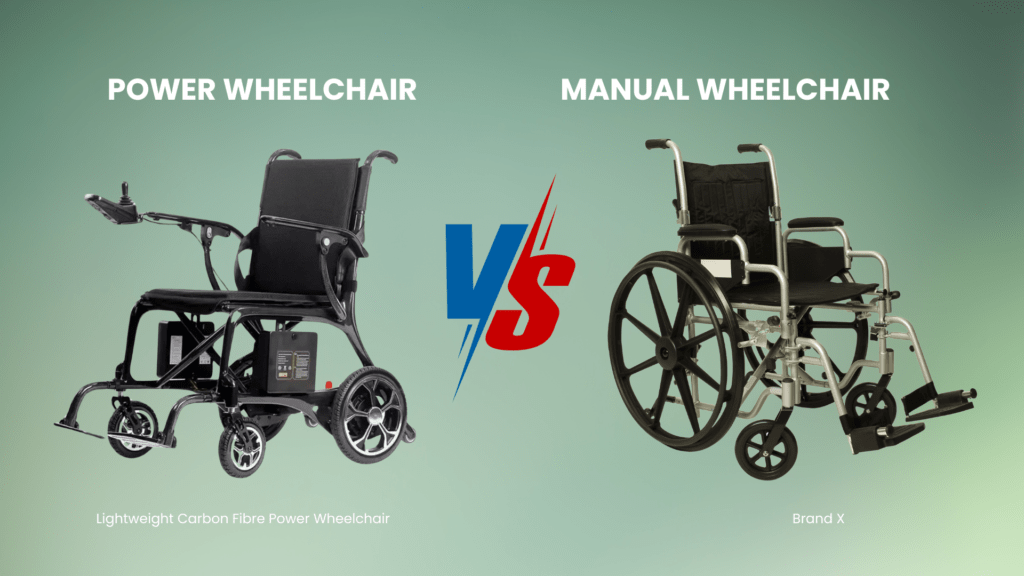
Power Wheelchair vs Manual Wheelchair: Which One Is Right for You?

Selecting the right wheelchair can significantly enhance mobility, independence, and quality of life. Whether for temporary use or as a long-term mobility solution, understanding the differences between power and manual wheelchairs is crucial. At Assistive Tech Hub, we offer expert guidance and a wide range of power wheelchairs to meet diverse needs. This comprehensive guide will help you make an informed choice based on comfort, lifestyle, and budget. Understanding the Types of Wheelchairs Manual Wheelchairs Manual wheelchairs are propelled by the user’s arm strength or pushed by a caregiver. They are generally lightweight, foldable, and easier to transport. Manual chairs are ideal for individuals who have sufficient upper body strength and use a wheelchair part-time or for short durations. Power Wheelchairs Power or electric wheelchairs are battery-operated and typically controlled using a joystick. These wheelchairs provide enhanced mobility with minimal physical effort. They are well suited for individuals with limited strength or chronic mobility challenges and offer advanced features for comfort and support. Key Differences Between Power and Manual Wheelchairs Propulsion Manual wheelchairs require physical effort or caregiver assistance. Power wheelchairs operate using electric motors controlled by a joystick, offering independence without physical exertion. Portability Manual wheelchairs are lightweight and can be folded, making them ideal for transport in standard vehicles. Power wheelchairs, being heavier due to batteries and motors, may require ramps or accessible vehicles for transportation. Cost Manual wheelchairs are typically more affordable. Power wheelchairs are a higher investment but offer long-term benefits in independence and comfort. Maintenance Manual wheelchairs need occasional servicing for tires and brakes. Power wheelchairs require battery maintenance and occasional motor servicing. Benefits of Power Wheelchairs Greater Independence Users can navigate both indoor and outdoor spaces independently, which is especially beneficial for those with limited upper body mobility. Comfort and Customization Power wheelchairs often come with features such as reclining backs, adjustable leg rests, and supportive cushioning for improved posture and comfort. Ideal for Long-Term Use These wheelchairs are perfect for individuals who require full-day use or frequent travel. They reduce fatigue and increase the ability to perform daily tasks without assistance. When Is a Manual Wheelchair the Better Option? Manual wheelchairs are still the preferred choice in various situations: When users have good upper body strength For individuals needing temporary mobility aid If frequent travel and portability are key priorities For tighter budgets and lower maintenance expectations When used as a backup to a power wheelchair Who Should Choose a Power Wheelchair? Power wheelchairs are ideal for individuals who: Have minimal to no upper body strength Suffer from conditions such as muscular dystrophy, multiple sclerosis, or severe arthritis Need daily use and extended mobility Require custom seating or advanced posture support Seek maximum independence at home or in public environments Factors to Consider When Choosing a Wheelchair 1. Mobility Requirements Evaluate how often and how far you plan to travel with the wheelchair. Power models are ideal for long distances and daily use. 2. Physical Ability Assess whether you have the strength and endurance to self-propel a manual wheelchair. If not, a power wheelchair is more suitable. 3. Environment Power wheelchairs are more capable on uneven or outdoor terrain, while manual wheelchairs are ideal for flat indoor surfaces. 4. Transport If you frequently travel, manual wheelchairs offer convenience and portability. Power wheelchairs require more effort to transport and may need adapted vehicles. 5. Budget and Funding Consider your financial resources. Both types may be covered under Australia’s NDIS (National Disability Insurance Scheme) depending on eligibility. 6. Special Features Power wheelchairs come with advanced features like tilt, recline, and custom controls. Manual wheelchairs can be optimized for light weight and ergonomic comfort. NDIS Approved Wheelchairs in Australia Assistive Tech Hub offers a wide range of NDIS-approved power wheelchairs for eligible Australian residents. We help you through the process—from assessment to product recommendation—ensuring that you receive a solution tailored to your health condition, living environment, and daily routines. Power Wheelchairs for Seniors For many seniors, a power wheelchair provides a safer and more practical solution than manual alternatives. Power wheelchairs reduce the risk of falls and the physical strain of self-propulsion, especially for users with limited stamina or balance issues. Choosing the best model for home use includes considering compact designs with a tight turning radius, easy control systems, and comfortable seating. Explore Our Top Power Wheelchairs At Assistive Tech Hub, we offer models that meet a wide range of needs—from premium comfort to lightweight portability. Fully Automatic Reclining Power Wheelchair A feature-rich model offering total reclining, adjustable leg support, and ergonomic seating. Ideal for individuals who need comfort, pressure relief, and full-day use. This model is also NDIS-approved, making it an excellent option for eligible users. Lightweight Carbon Fibre Power Wheelchair This ultra-light, foldable model is perfect for active users and travelers. It combines a strong carbon fibre frame with compact design, ensuring ease of storage and transportation while delivering reliable performance. Conclusion Choosing between a power and manual wheelchair depends on your physical condition, lifestyle, and specific mobility needs. Manual wheelchairs are practical and affordable for users with upper body strength and shorter usage durations. Power wheelchairs, on the other hand, provide greater autonomy, advanced comfort, and long-distance mobility for individuals with more complex requirements. At Assistive Tech Hub, we are here to help you select the most suitable wheelchair—whether you’re browsing our full power wheelchair range or considering specific models like the Fully Automatic Reclining Power Wheelchair or the Lightweight Carbon Fibre Power Wheelchair. Frequently Asked Questions Q1: What is the main difference between power and manual wheelchairs? Power wheelchairs are motorized and controlled electronically. Manual wheelchairs are propelled by physical effort. Q2: Are power wheelchairs covered by NDIS? Yes, many models at Assistive Tech Hub are NDIS-approved and can be funded based on eligibility. Q3: Can I use a manual wheelchair with limited strength? Manual wheelchairs require arm strength and stamina. If your mobility is significantly limited, a power wheelchair may be more appropriate. Q4: Which is better for seniors—manual

Power Wheelchair vs Manual Wheelchair: Which One Is Right for You? Read More »

Government Rebates and Funding Updates for Mobility Equipment in Australia

Access to mobility aids and equipment is crucial for many Australians living with disability, ageing-related mobility concerns, or chronic health conditions. In 2025, government support for mobility equipment continues to evolve, with updates to funding schemes like the NDIS and new rebate options available in some states. This article covers the latest changes to assistive technology subsidies and government rebates for mobility aids in Australia as of June 2025. Whether you’re looking to understand how to apply for NDIS mobility equipment funding, explore aged care mobility support, or learn about state-based mobility equipment rebate programs in Australia, this guide offers a clear overview. NDIS Assistive Technology Funding Support in 2025 The National Disability Insurance Scheme (NDIS) remains the primary source of government-funded support for assistive technology and mobility equipment in Australia. In June 2025, several updates were introduced to make access to essential equipment easier, faster, and more transparent. Updated NDIS Price Guide for Assistive Technology The NDIS assistive technology price guide 2025 has been revised to better align with current product pricing, service delivery costs, and market demands. Categories like wheelchairs, mobility scooters, walking aids, and home accessibility products have been updated with clearer classifications. Increased funding limits for high-cost mobility items like powered wheelchairs. Streamlined approval process for low-risk assistive technologies. Clarified guidelines for repairs, maintenance, and replacement cycles. How to Apply for NDIS Mobility Equipment Funding To apply for mobility equipment under the NDIS, follow these key steps: Assess Eligibility: Ensure the participant is eligible for NDIS support. Obtain a Functional Assessment: Engage an allied health professional (such as an occupational therapist) to assess your needs. Include the Equipment in Your Plan: During your plan meeting or review, request funding for the required assistive technology. Get Quotes: Submit quotes from registered NDIS providers for approval. Purchase and Delivery: Once approved, equipment can be purchased and delivered. Participants are encouraged to work with experienced providers like Assistive Tech Hub for personalised support and compliance with NDIS requirements. Government Rebates for Mobility Aids Beyond NDIS While the NDIS covers eligible Australians under the age of 65 with a permanent disability, there are also government rebates for mobility aids available through state and territory schemes, and through aged care funding programs. Aged Care Mobility Support in 2025 For Australians over 65 who are not eligible for the NDIS, the Commonwealth Home Support Programme (CHSP) and Home Care Packages (HCP) provide access to essential mobility aids and equipment. These programs fund: Walking frames and rollators Manual and electric wheelchairs Bed rails and hoists Personal alarms and bathroom aids The availability of aged care mobility support depends on your care level and assessment outcomes. Aged care providers or regional assessment teams can help you determine eligibility. State-Based Mobility Equipment Rebate Programs in Australia In addition to federal schemes, each state offers its own mobility equipment support programs. These programs are designed to assist individuals who may not qualify for the NDIS or aged care funding, or who require additional support. Examples of State-Based Programs (2025 Updates): NSW: EnableNSW continues to offer subsidies for wheelchairs, scooters, and prosthetics. Victoria: The State Equipment Program (SEP) helps low-income residents access essential aids. Queensland: MASS (Medical Aids Subsidy Scheme) provides rebates for both standard and custom mobility equipment. South Australia: Domiciliary Equipment Service offers limited equipment loans and purchases for eligible residents. Each program has specific eligibility criteria and application processes. Visit your state health department’s website or speak with a provider like Assistive Tech Hub for detailed assistance. Latest 2025 Government Changes Impacting Mobility Equipment Funding Several important policy updates were introduced this year to simplify access and reduce wait times for assistive technology across Australia. Key Highlights: NDIS plan flexibility: Participants can now self-manage more low-cost assistive technology items without pre-approval. Faster approvals for urgent needs: Emergency equipment access procedures have been improved. Additional training funding: Participants may now receive training in using their mobility devices under specific goals. Improved AT assessments: New national guidelines for occupational therapists ensure fair and standardised recommendations. These changes aim to provide faster, more reliable funding support for mobility aids and equipment to those who need them most. Choosing the Right Mobility Equipment Provider When applying for funding or purchasing mobility equipment, choosing a reliable provider is essential. Look for suppliers who: Are registered NDIS providers (if relevant). Offer guidance on how to apply for NDIS mobility equipment funding. Provide up-to-date product recommendations. Understand both aged care and disability equipment funding options. Assist with paperwork, quotes, and compliance. Assistive Tech Hub is an experienced, Australia-based provider offering a wide range of mobility aids and equipment, along with personalised support for navigating government funding. FAQs 1. What types of mobility equipment are funded by the NDIS in 2025? The NDIS funds a wide range of mobility aids, including manual and powered wheelchairs, mobility scooters, walkers, crutches, hoists, and vehicle modifications. Approval depends on your individual goals and functional needs. 2. Who qualifies for government rebates for mobility aids? Eligibility varies. NDIS participants, aged care recipients, and some low-income earners may qualify through federal or state-based programs. An assessment from a healthcare provider is usually required. 3. Can I get funding for multiple mobility devices under the NDIS? Yes, if you have a valid clinical justification and the items are deemed reasonable and necessary for achieving your goals. Each item will be considered separately in your NDIS plan. 4. Is there a difference between NDIS and aged care funding? Yes. The NDIS is for individuals under 65 with permanent disabilities. Aged care funding (e.g., CHSP or HCP) is for seniors aged 65+ and focuses on enabling them to stay independent at home. 5. How do I stay updated on changes to assistive technology subsidies? You can check the NDIS website, your state health department’s site, or follow industry blogs such as Assistive Tech Hub for updates and insights. Conclusion Staying informed about government rebates and funding updates for mobility equipment is essential for Australians relying on assistive technology. Whether

Government Rebates and Funding Updates for Mobility Equipment in Australia Read More »

How AI is Transforming Disability Aids and Mobility Solutions

In recent years, artificial intelligence (AI) has revolutionised several industries, and the disability and mobility sector is no exception. From AI-powered disability equipment to smart mobility aids, the integration of intelligent systems is making life easier, safer, and more independent for people with disabilities. At AssistiveTechHub.com.au, we are closely tracking how AI continues to influence the development of NDIS assistive technology, offering smarter, more efficient solutions tailored to individual needs. The Role of AI in Disability Support Technology Disability support technology has traditionally focused on mechanical tools that assist with movement, communication, and daily tasks. While these have been effective, AI brings a new level of personalisation and automation. By using machine learning algorithms, voice recognition, sensor data, and predictive analytics, AI-based assistive devices for disabilities can now adapt in real-time. This allows for more intuitive control, improved safety features, and data-driven feedback for carers, families, and healthcare professionals. For example, a wheelchair equipped with AI sensors can detect obstacles, learn user patterns, and suggest optimized navigation routes — a perfect example of intelligent mobility solutions in action. Benefits of AI-Powered Disability Equipment AI enables users to control devices through voice, touchless gestures, or even eye-tracking, helping those with limited mobility operate their aids without external assistance. With AI’s predictive capabilities, devices can identify environmental hazards, alert users, or even stop movements to avoid accidents. Devices learn from user behaviour and adapt accordingly, offering personalised functionality — a significant step beyond one-size-fits-all aids. AI-enabled tech for disability support can transmit data to carers or clinicians, enabling real-time health tracking and proactive support. Many AI-powered disability equipment solutions integrate seamlessly with smart home systems, allowing users to control lighting, doors, and appliances with ease. NDIS and the Future of AI in Assistive Technology In Australia, the National Disability Insurance Scheme (NDIS) plays a crucial role in funding assistive technologies. The inclusion of AI mobility devices for NDIS participants is becoming increasingly common, thanks to growing evidence of their impact on user well-being and independence. As AI solutions prove their value, more providers are submitting them for NDIS approval. Users and families can now choose from a growing list of NDIS assistive technology products that include AI functionality. Whether you’re seeking smart walking aids for elderly and disabled individuals or AI-based communication tools, there’s likely a solution available under NDIS support. Popular Examples of AI-Based Assistive Devices 1. Smart Wheelchairs Equipped with voice control, obstacle detection, and autonomous driving features, these chairs offer a greater level of freedom for users navigating various environments. 2. AI-Powered Walking Aids These smart mobility aids come with sensors that monitor balance, detect falls, and adjust support dynamically. Some even provide audio alerts or emergency notifications if a fall is detected. 3. Intelligent Prosthetics Modern prosthetics now use AI to learn and mimic natural movement. These limbs adjust grip strength, angle, and positioning based on the user’s needs and environment. 4. Voice and Eye-Controlled Interfaces From wheelchairs to home automation, AI allows individuals with severe disabilities to control their surroundings using only their voice or eye movements. The Future of Disability Aids Using Artificial Intelligence The future of disability aids using artificial intelligence is full of potential. With advancements in robotics, brain-computer interfaces, and real-time language translation, future devices will be even more intuitive, accessible, and affordable. Researchers are exploring the integration of AI with virtual reality for rehabilitation and cognitive therapy. Meanwhile, AI chatbots and assistants are already providing mental health support, medication reminders, and routine planning for individuals with intellectual disabilities. At AssistiveTechHub.com.au, we believe in promoting cutting-edge tech for disability support that empowers people to live with dignity, mobility, and autonomy. Why AI is a Game Changer for Elderly and Disabled Australians Australia’s ageing population and the rise in disability-related conditions have made it essential to adopt smarter healthcare solutions. With AI-driven assistive devices, seniors and people with disabilities can enjoy better quality of life without constant reliance on caregivers. In rural and remote areas, these solutions bridge accessibility gaps by offering remote monitoring, predictive maintenance, and telehealth compatibility. Whether it’s adjusting a mobility scooter’s settings based on terrain or receiving instant fall alerts, AI mobility devices for NDIS participants are creating safer, smarter living conditions. For more information, Contact Assistive Tech Hub. Key Takeaways AI is redefining disability support technology, making assistive devices smarter and more personalised. NDIS assistive technology increasingly includes AI-based tools, offering broader access to transformative equipment. Smart mobility aids, voice controls, and intelligent sensors are now standard in many assistive solutions. The future of disability aids using artificial intelligence looks promising with better adaptability, affordability, and integration. Platforms like AssistiveTechHub.com.au play a key role in providing the best AI-based assistive technology in Australia. Frequently Asked Questions (FAQs) 1. What is AI in assistive technology? AI in assistive technology refers to the use of artificial intelligence features—like learning algorithms, speech recognition, and smart sensors—to enhance the functionality and usability of disability aids. 2. Are AI-powered mobility devices covered under NDIS? Yes, many AI mobility devices for NDIS participants are eligible for funding. It’s important to check with your plan manager or NDIS provider to confirm eligibility and application processes. 3. How do smart mobility aids help people with disabilities? Smart mobility aids use AI and sensors to detect obstacles, maintain balance, monitor health metrics, and send alerts, providing better safety and autonomy to users. 4. Is AI-based assistive technology safe for elderly users? Yes, these technologies undergo extensive testing. Features like automatic braking, fall detection, and voice control are designed with safety as a top priority. 5. Where can I buy the best AI-powered disability aids in Australia? You can find a range of AI-powered disability equipment at AssistiveTechHub.com.au, offering trusted solutions supported by expert advice and NDIS guidance.

How AI is Transforming Disability Aids and Mobility Solutions Read More »

Top Assistive Tech Innovations in 2025 You Need to Know

In 2025, assistive technology is not just advancing—it’s revolutionising the way people with disabilities live, communicate, and interact with the world. Thanks to increasing awareness, rapid tech innovation, and strong support from the National Disability Insurance Scheme (NDIS), more Australians—especially across Victoria—are gaining access to tools that enhance their independence, safety, and quality of life. At AssistiveTechHub.com.au, we’re proud to be at the forefront of this evolution. In this blog, we explore the top innovations making a real difference in 2025. 1. Smarter Mobility Aids Mobility aids have undergone a major transformation. AI-enabled wheelchairs, walkers, and scooters are now equipped with smart features like automatic obstacle detection, adaptive speed control, and terrain-responsive navigation. These intelligent enhancements empower users to move more freely across various environments with minimal assistance. Through the NDIS, many of these high-tech mobility aids are now accessible to participants in Victoria. Whether you need a custom-fitted wheelchair or a smart mobility scooter, these innovations are designed for maximum safety, comfort, and autonomy. 2. Voice-Activated Home Control Systems One of the most life-changing assistive technologies of 2025 is voice-controlled home automation. From switching on lights and adjusting thermostats to locking doors or activating emergency alerts, voice commands now control it all. Ideal for individuals with limited mobility or motor skills, these systems remove daily barriers and promote independence. The NDIS has broadened access to such smart home solutions, ensuring homes across Victoria are more inclusive and responsive to the needs of people with disabilities. 3. Wearable Health Monitoring Devices Health monitoring is smarter and more wearable than ever before. In 2025, new-generation wearables offer 24/7 heart rate tracking, fall detection, GPS-based location alerts, and real-time reporting to caregivers. These tools are especially helpful for elderly Australians and individuals with high-care needs. They reduce the risks associated with medical emergencies and allow support teams to respond swiftly. As a key trend in the future of assistive tech, these wearables are fast becoming essential for safer, more independent living. 4. Advanced Communication Tools (AAC) For people with speech and language impairments, communication has become faster and easier. Augmentative and Alternative Communication (AAC) tools now feature eye-tracking capabilities, predictive text algorithms, and customisable voice outputs. Whether supporting a child with developmental challenges or an adult recovering from a stroke, these tools enable clearer self-expression. With support from the NDIS, many of these AAC devices are now available for trial and purchase across Victoria through certified providers like AssistiveTechHub.com.au. 5. Smart Home Integration with Accessibility Features In 2025, homes are becoming smarter and more accessible. From beds that auto-adjust to body movements to kitchen devices with voice support and tactile controls, assistive home tech is creating safer, more inclusive living spaces. Through proper assessment and funding, many of these innovations are covered by the NDIS. These tools are not just about convenience—they’re about empowering people to live independently and confidently within their own homes. 6. Assistive Robots for Daily Living Once a futuristic concept, assistive robots are now a reality. These robotic companions can remind users of medication schedules, provide conversation, or even pick up and carry objects within the home. Though still emerging, robotic aids are now being piloted in many NDIS-funded projects across Victoria. They show great promise in supporting individuals with cognitive or physical disabilities—offering daily assistance while reducing the need for constant human support. 7. Custom-Made Equipment Using 3D Printing Personalisation is a key trend in assistive technology, and 3D printing is leading the charge. Orthotic supports, grip aids, wheelchair parts, and even eating utensils can now be custom-designed and printed to suit an individual’s exact measurements and needs. The result? Better comfort, greater usability, and a higher level of satisfaction. Many NDIS participants can now access these customised devices through trusted providers in Victoria, making tailored support more affordable and accessible. 8. Eco-Friendly Assistive Products Sustainability has entered the assistive tech market. Manufacturers are now offering products made from recyclable materials, designed for energy efficiency, and created with the environment in mind. These solutions are especially attractive to users who care about their environmental footprint but still require reliable, functional support. The shift toward sustainability reflects a broader trend across Australia’s healthcare industry—and is gaining attention within the NDIS framework. Accessing Assistive Technology Through NDIS in 2025 Getting started with assistive technology through the NDIS is simpler than many think. Here’s how: Assessment: Work with an allied health professional to determine your tech needs. NDIS Planning: Ensure your plan includes relevant funding for assistive technology. Provider Support: Research and choose registered providers like AssistiveTechHub.com.au. Quoting & Approval: Gather quotes for your equipment and submit them for NDIS approval. Purchase & Training: Once approved, purchase your device and receive training on how to use it. At Assistive Tech Hub, we help you every step of the way—from assessments and quotes to training and support. Final Thoughts 2025 is shaping up to be a landmark year for assistive technology in Australia. These innovations—driven by AI, sustainability, and user-centered design—are transforming lives and redefining what’s possible for people with disabilities. Whether you’re seeking mobility solutions, home automation tools, or wearable health tech, the options are broader and more advanced than ever. And thanks to the ongoing support of the NDIS, these life-changing tools are within reach for thousands of Australians. At AssistiveTechHub.com.au, we’re committed to helping you find the right assistive technology to support your journey toward independence and empowerment. Get in touch today to explore your options, request a quote, or book a free consultation. FAQs What is NDIS assistive technology? Devices and systems that help people with disabilities complete everyday tasks more independently—like mobility aids, communication tools, and smart home systems. How do I access assistive tech through the NDIS? Get a professional assessment, ensure your NDIS plan includes funding, and work with a registered provider to purchase the approved devices. Who are the best NDIS assistive tech providers in Victoria? AssistiveTechHub.com.au is known for its wide product range, personalised support, and experience in working with NDIS

Top Assistive Tech Innovations in 2025 You Need to Know Read More »

NDIS 2025: What Changes Are Coming and What They Mean for You

NDIS 2025 Assistive Technology Updates As we move through 2025, the National Disability Insurance Scheme (NDIS) is entering a period of major reform. These changes are designed to improve how people with disabilities across Australia receive funding, services, and support—especially when it comes to accessing assistive technology. Whether you are a participant, caregiver, or assistive technology provider, understanding the NDIS 2025 updates is important for planning and accessing the right support. Why Is the NDIS Changing in 2025? The NDIS Review conducted in 2023 revealed several challenges, including slow processes, uneven decisions, and issues in funding consistency. To respond to these concerns, the government is implementing a new framework in 2025. The key goals of the updated system are: making the scheme financially sustainable, improving experiences for participants and providers, creating more consistent decisions and clearer guidelines, and expanding and improving access to assistive technology. These changes aim to ensure that Australians with disabilities receive support that is fair, timely, and better matched to their needs. Key Changes in NDIS 2025 for Assistive Technology Centralised Approval System for Assistive Technology A new national approval system is being introduced to manage requests for assistive technology (AT). This central system will streamline approvals, reduce waiting times, and ensure consistency. What this means for you: Participants and providers will experience faster approvals and simplified application processes for AT funding. Updated Assistive Technology Categories In 2025, all assistive technology products will fall under five core categories: everyday supports (e.g. shower chairs, walking aids), mobility and personal care devices, complex communication and cognitive aids, home modifications and environmental control units, smart and digital assistive technology. This structure helps match the right level of support to each participant’s needs, making funding decisions easier and more accurate. Dedicated Funding for Maintenance and Repairs NDIS 2025 includes a new policy for maintenance and urgent repairs of assistive technology. Funding will now be separate from core budgets and clearly allocated. What this means for you: You no longer have to use your core support budget to fix essential equipment. This improves safety and ensures your technology lasts longer. Certification for Mid and High-Cost Providers From mid-2025, only NDIS-certified providers will be eligible to supply mid to high-cost assistive technology. This requirement is part of the plan to improve quality and safety in service delivery. What this means for you: Participants will receive better-supported products from trusted providers. Providers must now meet national safety and training standards. Expanded Eligibility and Clearer Guidelines The 2025 changes broaden the definition of “reasonable and necessary” supports, which will give more participants access to assistive technology they may have been denied in the past. What this means for you: You may now be eligible for funding of assistive devices such as smart beds, communication tools, and digital solutions that support daily living and independence. How These Changes Impact Assistive Tech Users Participants who use assistive technology will benefit in several ways under the new rules: quicker decisions on AT applications, transparent funding guidelines, access to updated and smart assistive devices, better support for equipment maintenance, and improved service quality from certified providers. These changes aim to simplify the experience and provide better outcomes for people who rely on assistive technology every day. What Assistive Technology Providers Need to Know If you are a provider of assistive technology, the NDIS 2025 updates bring several important changes. Providers must: obtain NDIS certification for mid and high-cost product supply, align products with the five updated AT categories, train staff on the updated funding, eligibility, and support process, and deliver consistent, high-quality support to participants. At AssistiveTechHub, we are working with partners and suppliers across Australia to ensure our services meet the new national standards. Preparing for the NDIS 2025 Transition For Participants: Review your current NDIS plan with your Local Area Coordinator (LAC) or support coordinator, check your assistive technology items and identify any repair or upgrade needs, begin discussions with certified providers to gather quotes and product recommendations, and ask your provider about support options available under the new maintenance funding. For Providers: Ensure your registration meets the updated NDIS provider guidelines, reorganise product categories based on the 2025 framework, train your staff in line with policy updates, and partner with support coordinators to improve access and product matching. Being prepared will help ensure a smooth transition and better outcomes under the reformed NDIS system. Explore AssistiveTechHub’s Trusted Categories With the NDIS moving to a more organised, category-based structure for assistive technology, it’s important to choose the right products that align with your support needs. At AssistiveTechHub, we’ve made it easy to browse and shop by category, ensuring a smooth selection process under the new 2025 guidelines. Aged & Home Care Beds: Designed to enhance comfort and safety for home-based care. Daily Living Aids: Tools to support everyday independence—from dressing to mealtime. Mobility Scooters: Regain freedom outdoors with powerful, easy-to-navigate scooters. Patient Lifters: Essential lifting devices that reduce strain for carers and improve safety. Power Wheelchairs: High-performance wheelchairs for all-day comfort and mobility. Recliners: NDIS-funded recliners designed for support and relaxation. Shower Chairs: Stable and secure bathing assistance for all levels of need. Toilet Rails: Reliable support to maintain bathroom independence and safety. Walkers: Choose from standard, rollator, or upright models tailored to user needs. Wheelchair Commode: Multipurpose solutions for hygiene and mobility in one. Conclusion The NDIS 2025 reforms mark a significant shift in how assistive technology is delivered, funded, and maintained. These changes are designed to improve the experience for participants, raise service standards, and create a more consistent and reliable system. Whether you are accessing or delivering assistive technology, understanding these updates will help you navigate the new framework with confidence. At AssistiveTechHub.com.au, we are ready to support you with the latest assistive products, professional guidance, and ongoing service that meets NDIS standards. Visit our website to explore NDIS-approved assistive technology products and get help tailored to the new 2025 framework. Frequently Asked Questions (FAQs) What is assistive technology in the NDIS?

NDIS 2025: What Changes Are Coming and What They Mean for You Read More »

Compare Products

Scroll to Top