Assistive Tech Hub

Are Steel Side Rails Right for Your Homecare Bed? Pros and Cons Explained

Homecare beds are an essential part of caring for someone at home—especially for elderly Australians or those living with disability. But choosing the right accessories for safety and comfort can be tricky. One of the most asked-about items is the steel side rail. So, are steel side rails right for your homecare bed? In this blog, we explain the pros and cons, discuss collapsible side railings, and help you decide if they’re the best fit for your situation. Whether you’re caring for a loved one or setting up a home for aged care, this guide is made to give you straightforward, practical advice. What Are Steel Side Rails? Steel side rails are metal bars installed on the sides of a bed, especially homecare or hospital-style beds. Their main job is to prevent falls, support mobility, and provide peace of mind. At Assistive Tech Hub, you’ll find foldable steel side rails that are designed for home use and are compatible with a range of homecare beds. Benefits of Steel Side Rails Here are the main advantages: 1. Fall Prevention Steel rails help prevent someone from accidentally rolling out of bed, especially at night. Ideal for people with limited mobility, dementia, or post-surgery recovery. 2. Support When Getting Up Many users use the rail as support when repositioning in bed or getting in and out. This reduces strain on carers and promotes independence. 3. Sturdy and Durable Steel rails are strong and long-lasting. They don’t bend easily and can handle daily use. 4. Fits Most Homecare Beds Our side rails are compatible with several beds available in the homecare bed range. Drawbacks to Consider Side rails aren’t for everyone. Here are some downsides to think about: 1. Can Restrict Movement Some people may feel trapped, especially if the railings are fixed. 2. Risk of Injury If not installed properly, or if a person tries to climb over, there could be a risk of bruising or injury. 3. Not Suitable for Every Patient People with certain behaviours—like agitation or confusion—might try to climb over, increasing fall risk. 4. May Require Professional Installation To avoid accidents, correct installation is important. You can get help via our Disability Equipment Trial service. What Are Collapsible Side Railings? Collapsible side railings are a type of bed rail that can fold down when not in use. They offer the same safety benefits but add flexibility. Best of both worlds: protection when needed, and freedom when not. These are particularly useful when: You only need the rail part-time (like at night) Carers need easier access for transfers or assistance You want a less “clinical” look in your bedroom At Assistive Tech Hub, we offer foldable steel side rails that provide both stability and easy folding functionality. Who Can Benefit the Most from Side Rails? Steel side rails are often recommended for: Seniors at risk of falling People recovering from surgery Individuals with balance issues NDIS participants managing mobility challenges People using adjustable or hi-lo homecare beds Are They Safe? Important Things to Know Steel side rails are generally safe when used correctly. Here’s how to make sure they’re a safe fit: ✔ Get the Right Size Make sure the rails suit your bed and user’s height. ✔ Check for Gaps Avoid entrapment hazards by using properly sized and positioned rails. ✔ Combine with Proper Bed Height Use with a bed that adjusts in height (like hi-lo beds) for added safety. Need advice? Speak to our team via the Contact Us page for personalised help. Should You Hire or Buy Side Rails? Not sure if steel side rails are a long-term need? You can hire equipment from us before committing to a purchase. Hiring is perfect if: You’re only recovering temporarily You’re trying the setup before buying You’re waiting for NDIS approval Long-term need? Check our online store for purchase options. How to Choose the Right Side Rails When picking side rails for your homecare bed, ask yourself: Does the person need full or partial rails? Will collapsible rails make care easier? Is this compatible with my existing bed? Will the rail help with mobility? Our team can guide you through the options. We also offer disability equipment trials so you can try before you buy. Where to Buy Steel Side Rails in Australia You can find reliable and foldable options here at Assistive Tech Hub. We are an Australian-owned supplier focused on quality and accessibility. Browse: Our store for purchase options Our hire section for short-term use Our foldable steel side rails product page for more specs Are you a provider or care facility? Check our wholesale page for bulk orders and support. Conclusion: Should You Get Steel Side Rails? So, are steel side rails right for your homecare bed? If you’re looking for: Extra fall protection Support for repositioning or transfers A sturdy and adjustable safety solution …then yes, they could be a perfect fit. Just make sure to consider your personal needs, whether collapsible railings would help, and how long you’ll need them for. Want to learn more or see the product in action? Visit the Foldable Steel Side Rails product page or contact us for expert help. Additional Resources Try before you buy: Equipment Trials Browse other bed accessories Learn more about assistive tech

Are Steel Side Rails Right for Your Homecare Bed? Pros and Cons Explained Read More »

Installing and Maintaining Steel Side Rails: A Caregiver’s Guide

Steel side rails are essential for providing extra safety, comfort, and peace of mind for both caregivers and patients. Whether you’re supporting an elderly loved one at home or working in a professional care setting, knowing how to install and maintain steel side rails properly can help prevent falls, improve independence, and extend the life of your equipment. In this guide, we’ll walk you through everything you need to know about installing and maintaining steel side rails, including collapsible side railings, so you can provide the best care possible. 1. What Are Steel Side Rails and Why Are They Important? Steel side rails are protective barriers installed on the sides of a bed, usually for people who have difficulty moving or are at risk of falling. These rails help to: Prevent falls during sleep Support movement in and out of bed Offer a sense of security and independence Assist caregivers with safer patient transfers Whether you’re caring for someone post-surgery, with a disability, or an ageing parent, side rails can be a game-changer for home safety. Learn more about the bed safety accessories available at Assistive Tech Hub. 2. Different Types of Bed Rails: Fixed vs. Collapsible Side Railings Not all bed rails are the same. It’s important to choose the right type for your loved one’s needs. Fixed Steel Side Rails Do not move once installed Offer full-length protection Ideal for people who are at high risk of falling out of bed Collapsible Side Railings Can be folded down when not in use Great for transfers and when the user needs occasional access More flexible for home environments Check out foldable steel side rails here. 3. Preparing for Installation: Safety Checks & Tools Needed Before you begin the installation, it’s important to do a quick check: Things to Prepare: Ensure the bed is compatible with side rails (many homecare beds support attachments) Check that the person using the bed is not at risk of entrapment (limbs getting caught between bars) Gather your tools: Adjustable spanner Allen key Drill (if required) Screws and brackets (usually included with the rails) Tip: If you’re unsure about compatibility, you can request a free trial or ask the supplier for help. 4. Step-by-Step Guide to Installing Steel Side Rails Let’s walk through how to install a typical pair of foldable steel side rails. Step 1: Unpack and Inspect Open the package and lay out all parts. Make sure nothing is missing or damaged. Step 2: Identify Mounting Points Locate the bed’s pre-installed rail slots or frame sections where the rail brackets will be attached. Step 3: Attach Brackets Use screws and an Allen key to secure the brackets firmly to the bed frame. Ensure they’re level and tightly fastened. Step 4: Connect Rails to Brackets Slide the rail into the bracket grooves and lock them into place with pins or bolts provided. Step 5: Test the Rails Gently shake and push the rails to make sure they are secure. If they fold, test the collapse mechanism. Need help? Contact the Assistive Tech Hub support team for guidance. 5. Using Collapsible Side Railings Correctly Collapsible side railings are great for beds that need flexibility, but they must be used properly to avoid injury. Best Practices: Always lock the rail in the upright position before the user gets into bed Only fold it down when transferring or changing bedding Check the locking mechanism every day for wear and tear Avoid leaving the rail halfway up — this can cause falls Important: If the person using the bed is prone to confusion (e.g., dementia), fixed rails may be safer than collapsible ones. 6. Regular Maintenance and Safety Checks Just like any safety device, steel side rails need regular maintenance. Weekly Maintenance Checklist: Inspect bolts, screws, and brackets for tightness Check for rust, sharp edges, or damage Test fold-down and locking mechanisms Clean with mild disinfectant and dry thoroughly If you’re using a rail that’s hired or shared between users, clean it thoroughly after each use. Need temporary access? Visit our equipment hire page. 7. When to Replace or Upgrade Your Side Rails Side rails are built to last, but they don’t last forever. Watch out for these signs it’s time for a replacement: Difficulty locking into position Metal fatigue or visible cracks Rust or peeling paint Loose connections even after tightening If your current rails don’t meet the changing needs of the person in care, it may be time to explore alternatives like height-adjustable beds or accessories with improved mobility features. 8. Top Tips for Caregivers Using Bed Rails at Home Keep the Bed at the Right Height Set the bed height so the user’s feet can touch the floor when sitting. This helps reduce the risk of falls during transfers. Use Rails as Support, Not Restraints Bed rails should never be used to restrain someone. Always prioritise dignity and independence. Clean Regularly Use non-abrasive cleaning solutions. Avoid bleach or strong chemicals that may damage the steel. Train All Household Members Everyone in the house should know how to safely operate the rails — especially if they’re collapsible. For additional caregiver resources, check out Assistive Tech Hub’s support services. 9. Where to Buy or Hire Quality Steel Side Rails in Australia Finding high-quality, affordable steel side rails doesn’t have to be difficult. At Assistive Tech Hub, we offer: Foldable steel side rails Homecare beds with side rail compatibility Trial-before-you-buy options Wholesale pricing for aged care facilities Expert support to help you choose the right model Browse our store for the latest bed accessories. Need a temporary solution? Visit our hire page. Have questions? Speak with our team through the Contact Us page. 10. Confidence in Care Starts with Safety Installing and maintaining steel side rails might seem like a small task, but it can make a big difference in someone’s life. By following the right steps and performing regular checks, you’ll not only protect your loved one but also give yourself peace of mind as a caregiver. From fixed to collapsible side

Installing and Maintaining Steel Side Rails: A Caregiver’s Guide Read More »

How Steel Side Rails Improve Bed Safety for Elderly and Disabled Users

As we age or deal with disabilities, something as simple as getting in and out of bed can become risky. One of the biggest concerns for Australian carers, family members, and support workers is ensuring bed safety—especially at night or during periods of reduced mobility. That’s where steel side rails come in. In this blog, we explore how steel side rails improve bed safety for elderly and disabled users, especially when used in home care, aged care facilities, or NDIS-supported environments. We’ll look at their benefits, real-life examples, and how collapsible side railings offer both safety and convenience. Understanding the Safety Challenges in Elderly and Disabled Care Caring for someone who’s elderly or living with a disability often means planning for the unexpected. Falls from bed can lead to serious injuries, hospital visits, or a permanent decline in independence. These risks are even higher when the person: Has limited strength or balance Experiences disorientation or dementia Is recovering from surgery or illness Moves or rolls during sleep Standard household beds don’t offer the safety features needed in such cases. That’s why specialised equipment like steel side rails can make a big difference in maintaining dignity and safety at home. What Are Steel Side Rails and How Do They Work? Steel side rails are safety rails that attach to a bed frame. Their main function is to prevent the user from accidentally rolling out of bed, especially at night. Depending on the model, side rails may be: Fixed – stay up all the time Collapsible or foldable – can be lowered or folded down when not in use Many modern beds for homecare or hospitals, such as hi-low beds or electric beds, are compatible with foldable steel side rails, offering both safety and flexibility. Browse our foldable steel side rails here Top Benefits of Steel Side Rails for Bed Safety Let’s look at how steel side rails improve bed safety for elderly and disabled users in real-world settings. 1. Fall Prevention This is the most obvious benefit. Falls are one of the leading causes of hospital admissions for older Australians. Side rails provide a physical barrier that reduces the chance of rolling or slipping out of bed while asleep or adjusting position. They’re particularly helpful at night when supervision is minimal. 2. Added Support When Getting In or Out Many users find it difficult to lift or shift their bodies without assistance. Steel side rails provide sturdy support they can hold onto when: Sitting up in bed Repositioning Getting in or out of bed This extra support can reduce strain on carers and help users maintain their independence. 3. Peace of Mind for Carers and Families Knowing your loved one or patient has additional protection can relieve some of the anxiety carers feel—especially when it’s not possible to monitor them 24/7. A simple addition like side rails can offer reassurance to: Family members caring for parents or grandparents NDIS support workers Overnight staff in aged care facilities 4. Enhances User Independence For some users, too much assistance can feel frustrating or take away their sense of control. Steel side rails offer just enough support to move safely without constant help. This can be empowering—especially for individuals who want to stay at home longer before transitioning to full-time care. 5. Compatible with Electric and Hi-Low Beds Modern side rails are designed to work well with adjustable, hi-low, and hospital-style beds, making them an ideal choice for home use or facilities. You can easily combine them with: Hi-low beds available on Assistive Tech Hub Voice-controlled beds for hands-free adjustment Electric beds hired for short-term recovery needs Why Collapsible Side Railings Are a Smart Choice Not all users want side rails up all the time—and not all carers want to struggle with fixed barriers. That’s where collapsible side railings shine. These rails can be folded down or collapsed when not needed, offering several advantages: Easy transfers: Carers can safely assist users without awkward bending or lifting Flexible positioning: Raise only one side, or lower both when appropriate Safer in emergencies: Quicker access during medical situations Comfort for users: No feelings of being “trapped” in bed If you’re looking for versatility, foldable steel side rails are ideal. Check the product listing here: Foldable Steel Side Rails Real-Life Use Cases Across Australia Here are some common examples of Australians using steel side rails at home and in care settings: Margaret, 81 – Melbourne: “After my hip surgery, I stayed in a rented hi-low bed with collapsible side railings. It made me feel much safer at night and I could move without calling my daughter every time.” George, NDIS participant – Brisbane: “I got my steel side rails through a trial and later purchased them. I live alone and these rails help me get in and out of bed confidently.” Emily, Home Carer – Sydney: “For elderly clients with dementia, side rails are critical. Collapsible options allow me to safely assist without barriers.” Steel side rails aren’t just hospital equipment—they’re helping real Australians stay safe and independent every day. Choosing the Right Steel Side Rails for Your Needs When selecting side rails, consider: The user’s condition and mobility Whether you need a fixed or foldable option Compatibility with the current bed frame Space around the bed (for collapsible rails) Carer access and nighttime needs Not sure where to start? You can: Hire equipment temporarily Book a trial to test before buying Get personalised help from Assistive Tech Hub Explore More Bed Safety Products Steel side rails are just one part of a complete bed safety system. On our site, you can also find: Hi-low beds with voice control Pressure-relief mattresses Power backrests with side rails Visit our Beds Category Page to explore more. For resellers, facilities, or bulk purchasing, we also offer: Wholesale options Safety, Comfort, and Dignity Adding steel side rails may seem like a small change—but for elderly and disabled Australians, it’s often the difference between safe sleep and potential harm. Whether you’re a

How Steel Side Rails Improve Bed Safety for Elderly and Disabled Users Read More »

How Waterproof Mattresses Help Prevent Pressure Sores and Skin Issues in Homecare

For many older Australians or individuals living with disability, spending extended time in bed is part of daily life. That’s why the quality of your mattress matters more than most people realise—especially when it comes to preventing pressure sores and skin-related issues. At Assistive Tech Hub, we understand how essential comfort and safety are in a homecare setting. That’s why we offer high-quality waterproof mattresses designed to reduce skin breakdown, keep moisture at bay, and make life easier for carers and loved ones alike. Let’s take a closer look at how the right mattress can help protect skin health and prevent complications. Why Skin Protection Matters in Homecare When someone spends hours—or even days—in bed, there’s a higher risk of developing: Pressure injuries (also known as pressure ulcers or bedsores) Skin irritation and rashes Infections caused by prolonged moisture exposure These issues can lead to serious complications if not managed early. One of the first lines of defence? A reliable, breathable, waterproof mattress that supports pressure relief and hygiene. How Waterproof Mattresses Help 1. Moisture Control to Prevent Skin Breakdown Waterproof mattresses are designed to stop fluid from penetrating the mattress core. Whether it’s from sweat, spills, or incontinence, excess moisture can weaken the skin barrier and cause irritation. Our waterproof mattress range is made with sealed, medical-grade materials that wipe clean easily—no soaking or scrubbing required. This makes them ideal for aged care and NDIS-funded homecare support. 2. Surface Comfort That Reduces Pressure Points A supportive mattress with the right density and surface texture helps reduce constant pressure on one area of the body, especially the shoulders, hips, or lower back. Combined with regular repositioning, this helps prevent pressure sores. Many of our clients have shared how much easier it is to keep their loved ones safe and comfortable simply by upgrading to a better waterproof support surface. 3. Easy Hygiene Maintenance When you’re providing care at home, every minute counts. A waterproof mattress means: Less laundry Fewer accidents soaking into the core Faster clean-up after incontinence episodes Our mattresses are designed for fast wipe-downs and come with optional removable covers that are machine washable—making everyday hygiene more manageable for carers. You can also book a disability equipment trial to test our products at home before committing to a purchase. 4. Reducing Infection Risks When skin stays wet for too long, it becomes more prone to breakdown and infection. A quality waterproof mattress acts as a protective barrier, helping to maintain skin integrity and reduce the need for dressings, creams, or medical intervention. This can be especially important for people with limited mobility or compromised immune systems. Trusted by Australian Carers and Families “I care for my mum at home, and her skin started showing signs of redness last year. We switched to a waterproof mattress from Assistive Tech Hub, and within weeks, there was a noticeable improvement. It’s made our daily care routine easier, and I feel more confident knowing she’s protected.” — Renee, Daughter & Full-Time Carer, VIC At Assistive Tech Hub, we proudly support Aussie families with practical solutions that make homecare safer and more manageable. Our contact team is always ready to help you find the right fit for your needs. FAQs Do waterproof mattresses help with incontinence issues? Absolutely. They prevent liquids from seeping into the core and are easy to clean, reducing odour and risk of infection. Are they suitable for NDIS participants? Yes. Many of our waterproof mattresses are approved for NDIS funding. You can learn more or view options on our NDIS-compatible store. Can I get one for a standard bed frame? Yes, most waterproof mattresses are designed to fit standard hospital or homecare bed frames. You can explore more details on our mattress product pages. Final Thoughts Skin health isn’t just a comfort issue—it’s a crucial part of caring for someone at home. The right mattress plays a big role in keeping your loved one dry, comfortable, and safe from painful sores or skin issues. Looking to upgrade? Visit Assistive Tech Hub to explore our affordable, carer-friendly range of waterproof mattresses. Or reach out to our team to ask about a trial or wholesale options for facilities and providers. Better sleep. Better skin. Better care—right at home.

How Waterproof Mattresses Help Prevent Pressure Sores and Skin Issues in Homecare Read More »

Step-by-Step Guide to Maintaining and Cleaning Your Waterproof Mattress

When it comes to homecare, hygiene isn’t just about comfort—it’s about safety. And if you’re using a waterproof mattress for aged care or disability support at home, knowing how to properly maintain and clean it is key to keeping your loved one safe, dry, and well-supported. At Assistive Tech Hub, we supply reliable waterproof mattresses that are easy to clean and built for Australian homes. But just like any piece of care equipment, the better you care for it, the longer it lasts. Why Maintenance Matters A waterproof mattress protects against spills, incontinence, sweat, and bacteria. But if not cleaned properly, even the best materials can wear down or lose their protective barrier. Regular maintenance prevents: Odour build-up Bacterial growth Damage to seams or waterproof layers Reduced mattress lifespan Let’s go through the simple steps to keep your mattress in top condition—day after day. Step-by-Step: How to Clean a Waterproof Mattress Step 1: Remove Bedding and Inspect Take off all sheets, blankets, and mattress protectors. Check the mattress for: Visible stains Damp spots Any damage to the waterproof cover (especially around seams or zippers) If you notice wear and tear, feel free to contact our team via our support page. Step 2: Wipe Down the Waterproof Surface Use a soft cloth and a gentle cleaning solution (like warm soapy water or diluted disinfectant). Avoid harsh chemicals like bleach that may break down the waterproof layer. How to do it: Dampen a cloth—don’t soak it. Wipe the entire surface, paying extra attention to high-contact areas. Rinse with a clean damp cloth to remove any residue. Pro Tip: Our waterproof mattresses come with covers that are simple to clean daily without much hassle. Step 3: Clean the Zipper and Corners Don’t forget the tricky bits! Dirt and moisture can hide in: Zipper linings Mattress corners Creases or stitched seams Use a soft toothbrush or cotton swab to gently clean these areas. Step 4: Dry Properly Let the mattress air dry in a well-ventilated space. Never store or make the bed while it’s still damp. Avoid: Direct sunlight (this may damage some fabrics) Heaters or dryers (can cause shrinkage or melt waterproof coatings) Step 5: Wash the Cover (If Removable) Many waterproof mattresses have removable zippered covers. If yours does, follow the care label instructions. Typically: Use a gentle cold or warm wash Don’t bleach or dry clean Air dry is best Explore our full range of washable and removable cover options in the store. How Often Should You Clean It? Task Recommended Frequency Wipe Down Surface Daily or as needed Deep Clean + Inspect Weekly Wash Cover Fortnightly or after soiling Full Disinfection Monthly Of course, frequency may increase depending on care needs and usage. FAQs Are waterproof mattresses fully sealed? Yes, most are fully sealed and resistant to fluid penetration. But damage to the outer layer may reduce this protection—so inspect regularly. Can I use disinfectant spray on it? Yes, but always opt for fabric-safe, alcohol-free sprays. Harsh chemicals can damage the surface over time. Will NDIS cover waterproof mattress replacements? In many cases, yes. If your mattress is no longer suitable or hygienic, you may be eligible for a replacement. Learn more about how we support NDIS participants on our homepage. Can I book a free trial before purchasing? Yes! We offer a disability equipment trial so you can try the mattress in your own home. Final Thoughts Caring for someone at home can be hard work, but choosing the right equipment makes a big difference. With a little maintenance, your waterproof mattress can stay fresh, hygienic, and supportive for years to come. At Assistive Tech Hub, we’re proud to support Aussie families, carers, and health professionals with affordable, practical, and long-lasting products. Explore our range of homecare mattresses, or reach out via our contact page for personalised advice.

Step-by-Step Guide to Maintaining and Cleaning Your Waterproof Mattress Read More »

Key Features to Look for in a Waterproof Mattress for Homecare Beds

Choosing the right waterproof mattress isn’t just about avoiding spills—it’s about giving your loved ones a safer, cleaner, and more comfortable rest every day. Whether you’re caring for someone with mobility limitations, age-related conditions, or disability, a well-designed waterproof mattress can make homecare smoother for everyone involved. At Assistive Tech Hub, we understand how important comfort, hygiene, and practicality are in the home. That’s why we help families across Australia find the right support products for their needs. Why a Waterproof Mattress Matters in Homecare When you’re providing daily care, you want a mattress that’s low-maintenance yet high on comfort. A waterproof mattress is designed to prevent moisture from soaking into the foam, keeping it fresh, dry, and safe—even with everyday spills, incontinence, or bed baths. Not sure which mattress is right for your setup? Start by exploring our store or speak with us about a free in-home trial. Key Features to Look For 1. Full Waterproof Protection Look for a mattress with a sealed waterproof cover that wraps fully around the core. This helps prevent fluids, sweat, or spills from seeping in. Bonus if it’s zippered and easy to remove for cleaning. Our waterproof mattress range at Assistive Tech Hub is made with carers in mind—keeping hygiene simple without compromising comfort. 2. Breathable and Comfortable Surface Gone are the days of sweaty, plastic-feeling beds. Choose a mattress with breathable waterproof fabric to reduce heat build-up. Many modern covers are soft to the touch but still protect the mattress interior. 3. Supportive Foam Core The inside matters too. Go for high-density foam that offers firm support for people who may spend long hours in bed. A good core prevents sagging and helps with pressure relief. 4. Antibacterial and Flame-Retardant Materials For added peace of mind, many of the best waterproof mattresses include antibacterial properties and meet fire safety standards—especially important in aged care or disability support settings. Looking for NDIS-approved support products? Visit our NDIS support page for help with quotes and advice. 5. Easy to Clean and Maintain Daily care is already a full-time job. Choose a mattress with a wipe-clean surface that doesn’t absorb odours. A removable and washable cover is ideal. What Australian Carers Are Saying “After years of using regular mattresses and dealing with stains and smells, we finally switched to a waterproof one from Assistive Tech Hub. It’s so much easier to clean, and Dad is actually more comfortable than before. I wish we’d made the change sooner.” – Lisa, home carer in Adelaide When to Consider a Waterproof Mattress You should consider switching if: Your loved one experiences incontinence or bedwetting You’re caring for someone long-term or post-surgery You’re already washing sheets and mattress toppers frequently You’re worried about bacteria, mould, or mattress damage Need help choosing? Our team is happy to assist via our contact form. FAQs Can waterproof mattresses be used with adjustable or electric beds? Yes. Most modern waterproof mattresses are compatible with electric recliner beds and adjustable bases. Check out our mobility beds and accessories for more options. Do they feel hot or sticky to sleep on? No. The best models are breathable and soft to the touch, offering both comfort and protection. Will NDIS cover waterproof mattresses? Yes, many NDIS participants can access waterproof mattresses through their plan. Learn more on our NDIS page. How do I trial one before buying? We offer a disability equipment trial to help you find the perfect fit before committing. Final Thoughts A good night’s sleep should never come with worry. A waterproof mattress is a simple, effective solution that supports health, hygiene, and peace of mind—for both carers and those they care for. At Assistive Tech Hub, we’re here to help you choose products that truly make life easier. Explore our full range of homecare mattresses and accessories or reach out for personalised advice.

Key Features to Look for in a Waterproof Mattress for Homecare Beds Read More »

Key features to consider when buying a reclining power wheelchair in Australia

Choosing a wheelchair is an important decision — especially when you want the right mix of comfort, function, and independence. If you’re looking at a reclining power wheelchair, you’re not alone. More Australians are switching to automatic wheelchairs that offer greater flexibility and reduce the need for carer assistance. In this article, we break down everything you need to know about buying a reclining power wheelchair in Australia, including key features, local advice, and helpful resources. 2. The Benefits of Reclining Power Wheelchairs A reclining electric wheelchair lets the user change the backrest angle at the touch of a button. This isn’t just about comfort — it can make a real difference in someone’s daily life. ✅ Better Comfort and Posture Sitting in one position all day can be tiring. A reclining feature allows you to stretch out or rest, easing pressure on your back and hips. ✅ Improved Circulation Reclining can help blood flow, especially for people who are sitting for long periods. This reduces the risk of pressure sores. ✅ More Independence Many users say a fully automatic electric wheelchair helps them feel more in control of their own movement — no need to rely on others to adjust their seating. 3. Key Features to Look for in a Reclining Power Wheelchair Before you buy, here are the key things to consider: 🛋 Reclining Function and Range Not all reclining power wheelchairs recline the same way. Check how far back the chair can go and whether it includes a leg rest that lifts as the back reclines. Tip: Look for automatic wheelchairs that can recline to a near-flat position for resting or medical needs. 🪑 Seat Comfort and Adjustability Check if the seat and backrest offer cushioning and lumbar support. Adjustable headrests, footrests, and armrests are also essential. Australian users often prefer breathable fabrics for our warmer climate. 🔋 Battery Life & Charging A good electric automatic wheelchair should run all day on a full charge. Consider your lifestyle — will you need to use it for long outdoor trips or short indoor use? Example: Some models offer 20–25 km range per charge. ⚙️ Motor Power and Terrain Capability If you’ll be using the chair outside, choose one with a strong motor and wheels that can handle uneven footpaths or grass. Look for power wheelchairs with anti-tip wheels and good suspension if you live in hilly suburbs or rural areas. 🎮 Control Options Many auto wheelchairs now come with easy-to-use joystick controls. Some also offer remote control options, great for carers. For those with limited hand mobility, consider custom control systems. 📦 Portability and Weight Is the chair foldable? Can it fit in your car boot? A folding electric wheelchair is ideal if you’re active or often travel. Tip: Ask about removable batteries to make transport easier. 🛡 Safety Features Check for: Seat belts Anti-tip wheels Electromagnetic brakes Reflectors or lights for visibility 🧱 Frame Durability and Build Quality Choose a sturdy frame that’s built to last. Aluminium alloy frames are lightweight yet strong — perfect for electric wheelchair assistive technology. 🧩 Compatibility with Accessories Think ahead: do you need cup holders, oxygen tank holders, or storage baskets? Make sure the chair supports these add-ons. 4. Understanding Automatic and Fully Automatic Reclining Wheelchairs What’s the difference? Electric Wheelchair – Powered by battery but might not recline. Automatic Wheelchair – Can recline or elevate parts (like leg rests) using controls. Fully Automatic Electric Wheelchair – Offers complete reclining, leg rest adjustment, and sometimes even standing functions — all controlled by buttons. These wheelchair automatic features make daily life easier — not just for users, but also for carers and family members. Want to see one in action? Check out the Fully Automatic Reclining Power Wheelchair from Assistive Tech Hub. 5. Suitability for the Australian Environment Australia’s climate, terrain, and lifestyle make certain wheelchair features more important. 🌞 Indoor vs Outdoor Use If you’re mainly indoors, go for a compact electric wheelchair that turns easily in tight spaces. For outdoors, focus on battery life, motor strength, and suspension. 🛣 Urban or Rural? In cities, weight and portability are key — especially when using public transport. In rural areas, you’ll need stronger wheels, powerful motors, and more battery range. 💰 NDIS and Funding Many Australians can access power wheelchairs through NDIS plans. Speak to a provider like Assistive Tech Hub to understand your options or request a quote. 6. Trialling Before You Buy One size does not fit all. Comfort, control, and fit matter. With Assistive Tech Hub’s Disability Equipment Trial, you can test out your preferred model before committing. This lets you: Make sure the seat fits Try the controls See how it handles around your home or neighbourhood 7. Buying or Hiring – What’s Right for You? Not sure whether to buy outright? Consider trying a wheelchair hire service first. Assistive Tech Hub offers a flexible hire option so you can test the model over weeks or months. Great for: Post-surgery recovery Short-term rehab Trying before you invest 8. Why Buy from a Trusted Australian Supplier? Local support matters. When you buy from an Australian-based supplier like Assistive Tech Hub, you get: Easy communication Fast delivery Australian warranty Access to service or parts if needed They also offer advice tailored to your needs. Visit their Power Wheelchairs collection or contact their team for one-on-one support. 9. Finding the Right Reclining Power Wheelchair for Your Needs Choosing a reclining power wheelchair isn’t just about features — it’s about improving your everyday life. By focusing on comfort, functionality, safety, and support, you’ll find a model that matches your mobility goals and lifestyle. Whether you’re after a fully automatic electric wheelchair for daily use or a compact auto wheelchair for travel — the right model is out there. Let trusted experts like Assistive Tech Hub help you find it. 🔗 Helpful Links & Resources Shop Power Wheelchairs Fully Automatic Reclining Power Wheelchair Contact Assistive Tech Hub Try Before You Buy –

Key features to consider when buying a reclining power wheelchair in Australia Read More »

Travelling made easy with a foldable carbon fibre power wheelchair

Whether it’s a weekend getaway to the beach or a visit to family interstate, Australians love to travel. But for people with mobility challenges, the idea of packing up and hitting the road can feel overwhelming. Thankfully, travelling is made easy with a foldable carbon fibre power wheelchair—an innovation that combines portability, style, and independence into one lightweight package. In this guide, we’ll explore how a carbon fibre power wheelchair can transform your travel experience, what to look for when choosing one, and how it fits into Australia’s growing landscape of electric wheelchair assistive technology. Why Travel Can Be a Challenge for Wheelchair Users Travelling with a traditional wheelchair often comes with many hassles: Heavy, bulky frames Difficulty loading into cars or planes Limited manoeuvrability in tight spaces Battery limitations or poor durability These challenges can take the fun out of travel and turn an exciting trip into a stressful experience. But that’s where carbon fibre lightweight wheelchairs come in—they’re designed to solve these common issues. What Makes Carbon Fibre Power Wheelchairs a Game-Changer? Carbon fibre wheelchairs offer a combination of strength and lightness that aluminium or steel chairs can’t match. Here’s why these innovative devices are so effective: 1. Ultra-Lightweight for Easy Transport Carbon fibre is up to five times lighter than steel and still stronger. This makes carbon fibre power wheelchairs ideal for: Lifting into a car boot Taking on public transport Air travel (some models are airline-approved) 2. Folding Convenience A foldable carbon fibre power wheelchair can collapse in seconds, making it easier to: Fit into small storage spaces Store in hotel rooms or Airbnbs Carry in lifts, taxis, or tight hallways Looking to trial one? Visit our Disability Equipment Trial page to see how a foldable carbon fibre wheelchair fits into your daily life before buying. Top Benefits of Foldable Carbon Fibre Power Wheelchairs Travel-Friendly Design Take your wheelchair on planes, trains, and ubers without stress. Many carbon fibre electric wheelchairs weigh less than 20kg—easy for carers and family members to handle. High-Tech Performance Despite being light, powered fibre chairs offer powerful motors, long battery life, and intuitive controls. Better Comfort Modern electric wheelchairs lightweight options include ergonomic cushions, shock absorption, and adjustable armrests for longer journeys. Sleek, Modern Look A sleek, black carbon fibre power wheelchair doesn’t just feel good—it looks great too. Forget bulky medical-looking chairs. This is mobility with style. See what’s available now: Browse our Power Wheelchair collection or go straight to the Carbon Fibre Power Wheelchair product page. Who Can Benefit from Carbon Fibre Power Wheelchairs? These chairs are perfect for Australians who: Travel frequently Live in apartments or homes with limited space Want more independence without the bulk Experience fatigue from pushing manual wheelchairs Need a lightweight assistive wheelchair for carers to lift Whether you’re an NDIS participant, a senior looking for independence, or a carer supporting someone with mobility needs—carbon fibre lightweight wheelchairs can change the game. Real-Life Scenario: Weekend in the Gold Coast Let’s imagine you’re planning a three-day trip from Melbourne to the Gold Coast. With a traditional power chair, you’d have to: Arrange bulky equipment logistics Possibly hire a specialised vehicle Worry about space in accommodation With a foldable carbon fibre power wheelchair: Fold and store in your car boot with ease Check it in with your luggage on a flight Unfold it and ride directly through the airport terminal or resort The difference is freedom. How to Choose the Right Carbon Fibre Electric Wheelchair Here are some things to consider: Weight Capacity Ensure it supports the user’s weight safely and comfortably. Most powered fibre chairs support up to 120kg or more. Battery Range Look for at least 15–20km on a single charge. Many models offer longer ranges ideal for full-day outings. Wheel Size and Suspension Larger wheels and suspension make it easier to go over uneven terrain like grass, gravel or cobblestones. Comfort Features Look for adjustable armrests, removable footrests, breathable cushions, and reclining options for long travel days. Still unsure? Contact our team for personalised advice or book a trial. A Quick Comparison: Carbon Fibre vs Aluminium Power Wheelchairs Feature Carbon Fibre Aluminium Weight Extremely lightweight (from 15kg) Heavier (from 25kg) Durability High tensile strength Moderate Portability Folds easily and lighter to lift Can be awkward to handle Cost Higher upfront More affordable Best For Frequent travellers, active users Occasional users, indoor settings Is It Covered by NDIS? Yes! Carbon fibre electric wheelchairs fall under electric wheelchair assistive technology in many NDIS plans. You may be eligible for funding support if the chair is reasonable and necessary for your mobility. Ask your occupational therapist or plan manager to help with paperwork. We offer NDIS support and documentation. Visit our NDIS Equipment Trial page to get started. Rent or Buy? We Offer Both! Not ready to commit to a full purchase? No worries. You can hire a power wheelchair short-term and see if it suits your lifestyle. Want to stock it in your facility or shop? Check out our Wholesale options for bulk purchases. Travelling with a Carbon Fibre Wheelchair: Quick Tips Check Airline Policies: Most allow lithium-ion batteries under 300Wh—check yours! Pack a Charger Adapter: If travelling overseas. Fold Before Boarding: Folded chairs are treated as standard luggage in many cases. Keep Spare Keys: Always have an extra joystick or power controller. Label Your Chair: Add a name tag and contact details. FAQs Is a carbon fibre power wheelchair safe for outdoor use? Yes. Many models are built with sturdy tyres, anti-tip wheels and waterproof frames. Can I take it on a plane? Most lightweight electric wheelchairs with removable batteries are airline-compliant. How long does the battery last? Typically 15–25km per charge. Check your Can I use it indoors too? Absolutely. Carbon fibre models are compact and turn easily in tight indoor spaces. Why Buy from Assistive Tech Hub? At Assistive Tech Hub, we don’t just sell equipment—we support your journey to greater mobility and independence. Here’s why Aussies trust us: NDIS support and documentation  Try before

Travelling made easy with a foldable carbon fibre power wheelchair Read More »

NDIS support for fully automatic reclining power wheelchairs – what you need to know

Navigating the National Disability Insurance Scheme (NDIS) can be overwhelming, especially when you’re looking to buy high-tech assistive equipment like a fully automatic reclining power wheelchair. If you or a loved one needs better mobility support, the good news is — NDIS can help. In this guide, we’ll walk you through everything you need to know about NDIS support for fully automatic reclining power wheelchairs – using clear, simple language for Australian readers. What Is a Fully Automatic Reclining Power Wheelchair? A fully automatic reclining power wheelchair is a motorised mobility aid designed for maximum comfort and independence. It allows users to control movements like reclining, tilting, and adjusting the footrest — all with the touch of a button. These chairs go beyond standard electric wheelchairs. They are: Battery-operated (no manual pushing needed) Able to recline and tilt for pressure relief and comfort Often described using different terms like: Power wheelchair Electric automatic wheelchair Reclining electric wheelchair Auto wheelchair Wheelchair automatic Each one provides slightly different features, but all aim to help users move more easily and comfortably. If you’re unsure which type suits your needs, you can trial one through our disability equipment trial program. Why Are Reclining Power Wheelchairs Important? Many Australians living with a disability struggle with mobility, posture, or fatigue. A reclining power wheelchair can be life-changing. These wheelchairs provide: Comfort – Adjustable reclining positions reduce pressure and pain Posture Support – Custom positions help prevent sores and improve breathing Independence – Move indoors or outdoors without needing a carer to push Daily Functionality – Designed for everyday use at home, work, or in public spaces They’re also ideal for people with: Muscular dystrophy Spinal cord injuries Multiple sclerosis Cerebral palsy Limited upper body strength What Types of Wheelchairs Can Be Funded by NDIS? The NDIS provides funding for assistive technology (AT), which includes a wide range of mobility aids. Eligible power wheelchairs under the NDIS include: Fully automatic electric wheelchairs Reclining power wheelchairs Electric automatic wheelchairs with specialised controls Wheelchair automatic systems that offer posture support To be approved for NDIS support, the equipment must: Be reasonable and necessary Support your NDIS goals Be recommended by a qualified therapist Good news — most reclining electric wheelchairs fall into Level 2 or 3 Assistive Technology, which means they may require more documentation but are eligible. How NDIS Funding Works for Power Wheelchairs NDIS participants can use their Core Supports or Capital Supports budgets to fund a power wheelchair, depending on their plan type. Here’s how it usually works: Speak with an Occupational Therapist (OT): They assess your needs and confirm if a fully automatic electric wheelchair is suitable. Get a Written AT Report: Your OT or provider outlines why the item is “reasonable and necessary”. Choose a Product from a Registered Provider: For example, browse products on our Power Wheelchairs page. Submit to NDIS for Approval: Either through your Support Coordinator or Plan Manager. Purchase or Trial the Chair Once Approved: Learn more about our wheelchair trials. Step-by-Step: Getting Your Reclining Power Wheelchair Through NDIS Here’s a simple roadmap: Talk to Your OT or Physiotherapist Trial Different Chairs with a Trusted Provider – like Assistive Tech Hub Collect Quotes and AT Forms Submit for Approval Get Funded or Buy Using Core Budget (if applicable) Need help? Contact our team to walk you through the process: Get in touch here Common Questions About NDIS and Wheelchairs Q: Can I try the chair before I commit?Yes, we offer equipment trials to help you find the right fit. Q: Can I hire a chair while I wait for funding?Yes! Visit our hire page to learn more. Q: What if my funding request gets denied?You can appeal the decision. Our team can assist you with documentation and support. Q: Can I upgrade later if my needs change?Yes, the NDIS allows upgrades based on new assessments. Choosing the Right Reclining Electric Wheelchair When selecting a wheelchair, consider the following: Battery range – How far will it take you? Comfort and padding – Reclining helps reduce strain Weight capacity – Make sure it suits your body type Portability – Does it fold? Can it fit in a car? Ease of use – Look for joystick controls or mobile app support View our recommended model – Fully Automatic Reclining Power Wheelchair Why Buy from an NDIS-Registered Provider Like Assistive Tech Hub? At Assistive Tech Hub, we’re a registered provider offering: NDIS-compliant documentation and quotes Free trials for most mobility products Easy online shopping through our store Bulk orders and pricing via our wholesale page Our support team will guide you through the NDIS application process step-by-step — from assessment to trial to purchase. Final Thoughts: You’re Not Alone — Support Is Available A fully automatic reclining power wheelchair can change your life — offering comfort, freedom, and independence. While the process to get one through the NDIS may seem long, the reward is worth it. Next Steps: Speak to your therapist Book a trial with us Apply for NDIS support 👉 Visit our Contact Page 👉 Explore All Power Wheelchairs 👉 See Fully Automatic Reclining Model Here Need Help Right Now? Call us or fill out the contact form — we’re happy to help fellow Aussies get the support they need.

NDIS support for fully automatic reclining power wheelchairs – what you need to know Read More »

How fully automatic reclining power wheelchairs enhance comfort and independence

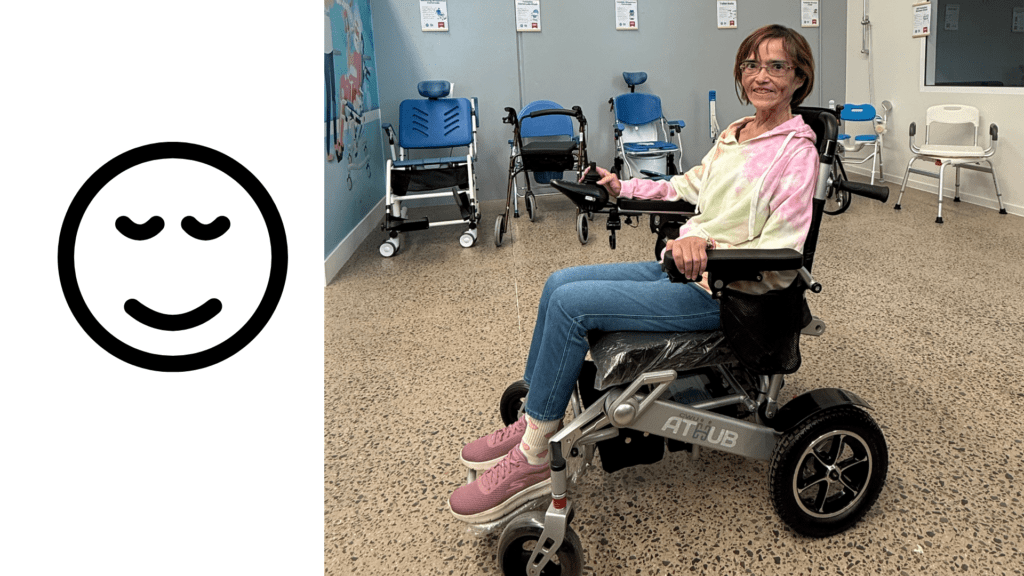
Mobility plays a huge role in how we experience life. For older Australians or those living with a disability, maintaining comfort and independence is vital. Fortunately, fully automatic reclining power wheelchairs are changing lives across the country. Whether you need more comfort during long periods of sitting or help getting around your home or community, a reclining electric wheelchair can make all the difference. In this article, we’ll explore how these advanced devices offer support, freedom, and confidence — all while sticking to simple language and real-life examples. Explore power wheelchairs here What is a Fully Automatic Reclining Power Wheelchair? A fully automatic electric wheelchair is an advanced mobility device powered by a battery. It allows users to move around with ease — using a joystick — and recline into a more comfortable position at the push of a button. Here’s what sets it apart from a standard electric wheelchair: Automatic reclining – the backrest and sometimes leg rest can tilt back without manual adjustment. Joystick control – simple one-hand operation. Long battery life – many can go 20–25km on a single charge. Padded seats and support – designed for longer sitting periods. This kind of automatic wheelchair is ideal for users with limited mobility who want more control and comfort in daily life. See the Fully Automatic Reclining Power Wheelchair Comfort Through Reclining Technology Spending hours in a seated position can lead to pressure sores, discomfort, and fatigue. A reclining power wheelchair solves this problem by allowing users to adjust their position regularly — without help. Benefits of Reclining Functions: Relieves pressure on the lower back and hips Improves blood flow by changing body angle Allows relaxation or short naps Reduces strain on caregivers by avoiding manual lifting For many Australians, especially in aged care or homecare settings, these benefits directly improve quality of life. Looking for one?Buy it here Improving Independence With a Power Wheelchair One of the biggest challenges for those with limited mobility is relying on others. But with a power wheelchair, users can enjoy more freedom of movement. What this independence looks like: Going from the bedroom to the kitchen without assistance Shopping at your local centre or visiting the park Navigating your home safely Using public transport with a compact auto wheelchair Fully automatic reclining power wheelchairs are ideal for indoor and outdoor use — giving users the confidence to engage with their communities. Want to try one?Book a Disability Equipment Trial Key Features of a Fully Automatic Wheelchair Here are some features that make a fully automatic wheelchair stand out: Feature Description Reclining Backrest Adjusts angle automatically to reduce strain and improve comfort. Adjustable Leg Rest Lifts with the backrest to support circulation. Padded Seat and Back Comfortable materials suited for long use. Joystick Control Easy-to-use interface on either hand. Lightweight Frame Often foldable for travel or storage. Battery Operated Runs for hours without recharging. This blend of technology and comfort makes these chairs suitable for everyday life in Australia. Contact us to learn more How It Supports Daily Living in Australia Australia’s diverse landscape — from footpaths to shopping centres — requires mobility aids that can adapt. A reclining power wheelchair helps Australians: Move across uneven terrain using powerful motors Navigate tight indoor spaces with compact turning Use ramps and accessible toilets easily Attend community events, appointments, or social gatherings A properly fitted automatic wheel chair enhances social participation and reduces isolation. View moreelectric wheelchair assistive technology Who Can Benefit From a Reclining Electric Wheelchair? These chairs aren’t just for seniors. Here’s who might benefit: People with chronic pain Stroke survivors NDIS participants with limited mobility Australians recovering from surgery Users with spinal cord injuries Individuals with fatigue-related conditions By improving comfort and giving people the ability to change positions, users experience less physical stress and more confidence to get on with their day. Hire one first to see how it fits your lifestyle. Electric Wheelchair Assistive Technology and NDIS NDIS (National Disability Insurance Scheme) recognises fully automatic electric wheelchairs as essential assistive technology. If you’re an NDIS participant, you may be eligible for: Funding to purchase a reclining electric wheelchair Trials before purchase Professional assessment and support Assistive Tech Hub offers NDIS-registered products and guidance to help you through the process. Reach out to us for help with your NDIS wheelchair needs:Contact Assistive Tech Hub Choosing the Right Automatic Wheelchair Not all wheelchair automatic models are the same. Here’s how to choose the best one: Consider your lifestyleAre you active? Do you go outdoors often? You’ll need a chair with good wheels and long battery life. Assess support needsDo you need head support or lateral support? Pick a chair with extra ergonomic features. Look at size and transportDo you need a foldable version? Is it going in a car boot? Check controlsJoystick controls should be accessible and easy to use based on your condition. Ask about servicing and supportMake sure the provider offers local support and parts if something breaks. Try before you buy:Book a Disability Equipment Trial Trial, Hire or Buy? Explore Your Options We understand that buying a reclining power wheelchair is a big investment. That’s why Assistive Tech Hub offers: Wheelchair Hire – short or long-term solutionsProduct Trials – test the product in your own homeWholesale and Retail Options – for facilities or resellersExpert Advice – personalised help from mobility specialists With local Australian service and fast delivery, we make finding your perfect electric automatic wheelchair stress-free. A fully automatic reclining power wheelchair does more than help you move. It supports your well-being, comfort, and freedom— all essential for living life on your terms. Whether you’re looking for a product that enhances mobility, reduces pain, or helps you stay independent, these high-tech chairs are worth the investment. If you or a loved one could benefit from a reclining electric wheelchair, don’t wait. Reach out to the team at Assistive Tech Hub today — we’ll help you find the right fit. Helpful Links View Power Wheelchairs Explore Reclining

How fully automatic reclining power wheelchairs enhance comfort and independence Read More »

Compare Products

Scroll to Top