
Assistive Tech Hub

Power Wheelchair Safety & Maintenance

Power Wheelchair Safety & Maintenance – Essential Tips for Longevity Power wheelchairs help people move freely without needing someone else to push them. That independence can make a big difference day to day. But just like any other bit of machinery, they need looking after. If you don’t take care of them properly, they can break down or become unsafe, and repairs aren’t cheap either. Why Power Wheelchair Safety & Maintenance Matters Taking care of your power wheelchair isn’t just a good idea — it’s something you need to do. Without regular maintenance, problems can develop quickly, and that can affect your safety, your mobility, and your wallet. A wheelchair that’s looked after properly is much safer to use. It’s far less likely to break down unexpectedly or develop faults that could put you at risk. Carrying out routine checks helps you spot issues like loose bolts, worn tyres, or battery problems before they turn into something more serious. This not only helps avoid accidents but keeps everything running smoothly day to day. Good maintenance also means your wheelchair will last longer. You won’t need to replace parts as often, and you’ll deal with fewer breakdowns over time. That means less disruption and fewer surprises. Catching small issues early can also save you a lot of money. Something as simple as keeping the battery properly charged or tightening a screw can help you avoid bigger, more expensive repairs later on. Power Wheelchair Safety Tips 1. Proper Usage & Handling Before using your wheelchair outdoors, take time to understand how it works and how to handle it safely. Start by reading the user manual. It may not be the most exciting read, but it contains essential information about how to operate your chair correctly. Spend some time practising indoors on level ground. This gives you a safe space to get familiar with how your wheelchair responds before using it in more challenging environments. Pay attention to the speed settings. Begin with a slower pace so you can gradually get used to how the chair moves and accelerates. When using your wheelchair outside, keep the following in mind: Stick to smooth, stable surfaces whenever you can. Try to avoid areas with sand, loose gravel, mud, or snow, as these can affect traction and control. Take extra care on hills. Going downhill too quickly can be dangerous, so reduce your speed and stay in control at all times. Avoid making sharp turns on slopes. Turning suddenly while on an incline increases the risk of tipping, so it’s best to approach turns slowly and with caution. Taking these steps helps ensure a safer and more comfortable experience as you become more confident using your wheelchair in different settings. 2. Battery Safety & Charging Best Practices The battery is a key part of your power wheelchair. Looking after it properly will help ensure the chair runs reliably and lasts longer. Always use the charger that came with the wheelchair or one that has been approved by the manufacturer. Using other chargers may cause damage or affect performance. Charge the battery regularly, but avoid leaving it plugged in once it’s fully charged. Overcharging can reduce its lifespan. Try not to let the battery run completely flat, as this can cause it to deteriorate more quickly over time. Proper storage also makes a difference: Store the wheelchair in a cool, dry place. Avoid exposing it to very hot or cold temperatures, as these can affect battery health. Never store the chair with a flat battery. Leaving it empty for too long may result in permanent damage and make recharging difficult. Taking a few simple steps to care for your battery can go a long way in keeping your wheelchair performing at its best. 3. Safe Transportation & Storage To keep your wheelchair safe, handle it properly during travel and storage. If it folds, fold it fully before putting it in a car. Use straps to stop it from moving. Movement during transport can cause damage. If storing it for a while, cover it. That keeps out dust and damp, which can lead to rust or faults. Quick tips: Don’t trap or pull wires. Don’t stack anything on top. Check it fully before using after storage. These steps help your chair stay reliable and ready. Essential Power Wheelchair Maintenance Tips 1. Routine Cleaning & Inspection Keeping your wheelchair clean helps it work properly and last longer. Wipe down the frame every week using a soft cloth with mild soap. Use a vacuum or soft brush on the seat and backrest—dust and crumbs build up quickly. Go over all screws and bolts—tighten anything loose. Test the footrests and armrests—ensure they lock in place and move smoothly. Also: Look out for any rust or cracks, especially near the hinges and joints. Replace worn-out labels so you don’t lose important safety information. 2. Battery Maintenance & Care Caring for the battery helps you get the most out of it. Charge the battery after each use, particularly if it’s dropped below halfway. Avoid overcharging—unplug it once it’s full. Wipe the terminals with a dry cloth to keep them clean and free from corrosion. Ensure the cables are firmly connected—loose wires can cause sudden stops or damage. Watch out for signs that it might need replacing: The wheelchair starts moving slower than usual. It doesn’t hold its charge as long, even after charging fully. There’s swelling or an odd smell coming from the battery. 3. Tire & Wheel Maintenance Tyres need looking after to keep you safe and steady on the move. For air-filled tyres, check the pressure once a week. Steer clear of sharp items or uneven ground when you’re outdoors. Examine tyres for cuts, cracks, or bulges—change them if they show signs of wear. Also: If the chair veers off to one side, check the wheel alignment. Spin each wheel—there shouldn’t be any grinding, shaking, or stiffness. 4. Motor & Electrical System Checks You don’t need to be an expert

Power Wheelchair Safety & Maintenance Read More »

Types of Power Wheelchairs

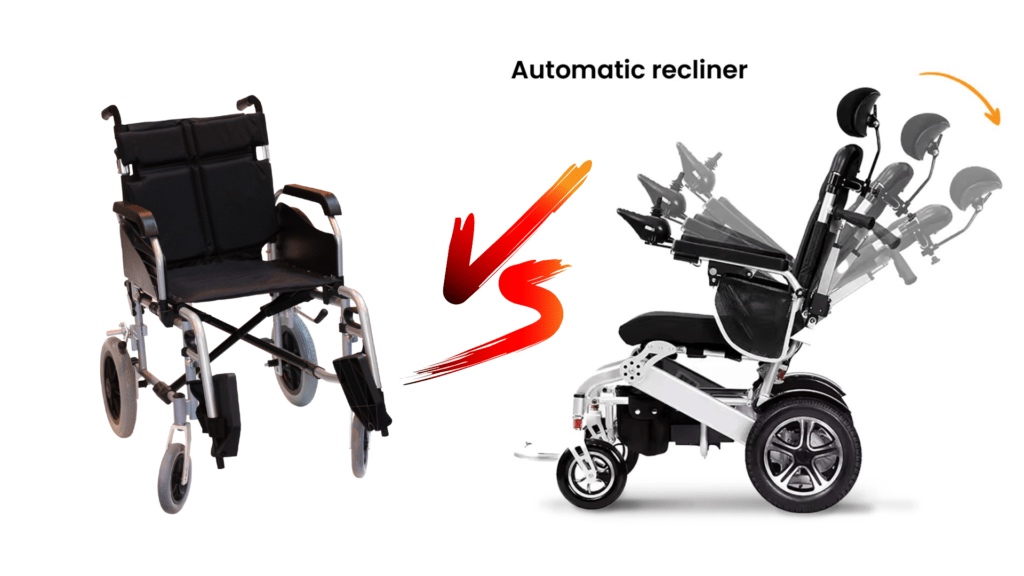
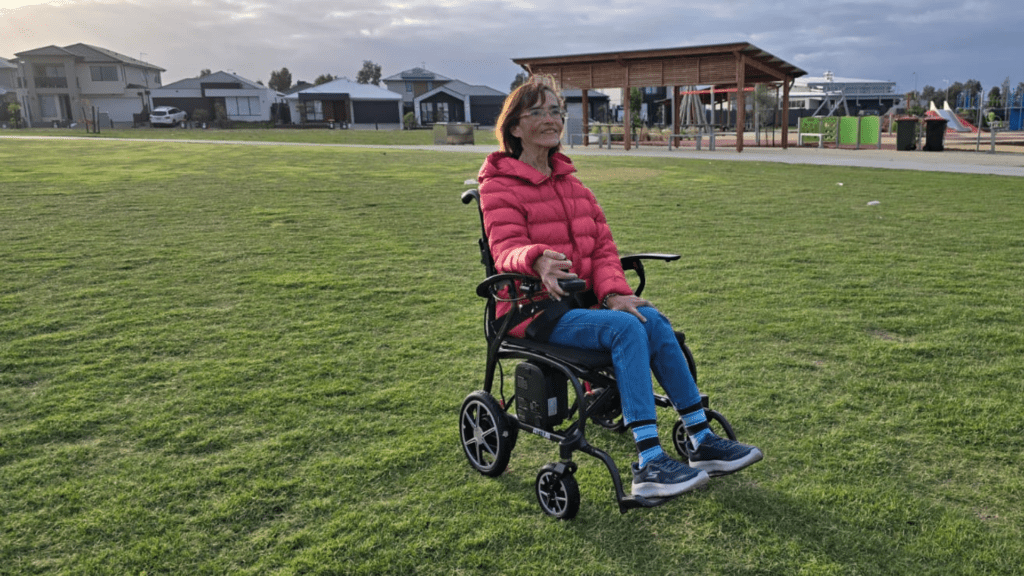
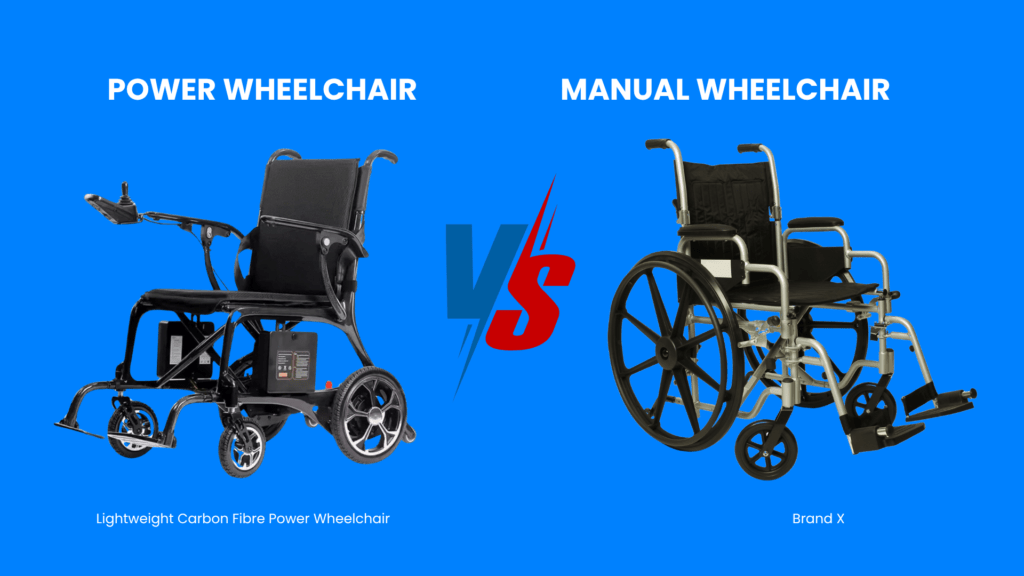
Types of Power Wheelchairs – Choosing the Right One for Your Needs Understanding Power Wheelchairs A power wheelchair is an electric chair that helps people move around when walking or using a manual one isn’t an option. It runs on a battery and uses motors, which you can control with a joystick, buttons, or other adapted setups—whatever works best for your needs. Most have a cushioned seat, armrests, footrests, and wheels that turn easily, letting you move in different directions. Some versions even include extras like a headrest, the ability to recline, or adjustments that happen automatically. All you need to do is charge it. Once that’s done, you’re good to go. Some models can take you as far as 15 miles on one charge, while others are built for shorter use. Either way, you’re in control—no need to rely on someone else to get around. Here’s what it actually helps with: You can do things at home without waiting on someone There’s no need to use up all your energy pushing a manual chair Tight corners, doorways, or even outdoor paths are easier to handle Your back gets proper support, which helps avoid pressure sores And maybe most importantly — it gives a lift to your confidence Purchasing the right power wheelchair should fit on your lifestyle, where you’ll use it, and your physical needs. Here’s a quick tip: Usage: Indoors, outdoors, or both? Weight limit: Choose one that suits your body safely. Portability: Need something foldable for travel? Controls: Joystick, headrest, or custom options? Comfort: Extra padding or reclining features? Battery: Longer range for fewer charges. Budget: Balance features with cost. These points will help you find a chair that fits your daily routine and keeps you comfortable on the move. Different Types of Power Wheelchairs 1. Standard Power Wheelchairs If you’re mostly getting around inside — like at home, in an office, or a clinic — a standard power wheelchair might be just the thing. These chairs aren’t flashy, but they do the job well enough for day-to-day use. They usually come with things like: A joystick control – It’s pretty easy to figure out, even if you haven’t used one before. Basic seating – You’ll usually have armrests and a place to rest your feet. Nothing fancy, but comfortable enough for short to medium use. Tough wheels – Built more for hard, flat floors than outdoor surfaces. Might be a good fit if you: Aren’t looking for any personalised or advanced features. Mostly move around indoors, not over bumpy or uneven ground. Want something that gets the job done without spending too much. 2. Lightweight & Travel-Friendly Power Wheelchairs If you’re someone who travels a lot or just wants a wheelchair that’s easier to handle day-to-day, a lightweight power chair might be exactly what you need. These chairs are made from lighter materials like aluminium or carbon fibre, so they’re much easier to lift, move around, and store away when you’re not using them. Why people choose them: They fold up quickly and fit easily into car boots, plane cabins, or tight storage spaces They weigh far less than standard power chairs, which makes a real difference when lifting Setting them up or folding them away only takes a few seconds Who they’re best for: Anyone heading off on holiday or frequent work trips People who have someone helping them with transport City dwellers or anyone short on space at home A quick example: carbon fibre power chair – lightweight, strong, and folds down fast. Great for everyday use without the bulk. 3. Heavy-Duty Power Wheelchairs If you’re looking at power wheelchairs and you know you’ll need something sturdier than the usual options, it’s probably worth considering a heavy-duty model. These chairs aren’t just built to be bigger—they’re built to take on more, day after day. So, what makes them different? The frame’s reinforced, which helps when extra weight needs to be supported The wheels are chunkier, often designed for better grip and stability outdoors Motors tend to be stronger, so they don’t struggle with slopes or uneven ground Cushions and support areas are tougher, made to last without flattening out quickly These aren’t the lightest chairs around—and they’re not the easiest to load into a car boot—but they make up for it in reliability. People often go for this type if: Their weight is above what most standard chairs are rated for They’re often outdoors, not just inside the house or on smooth floors The chair gets used a lot, maybe even all day, every day 4. Reclining & Positioning Power Wheelchairs These chairs are made with comfort and medical support in mind. They can tilt back, lift the legs, or recline fully to ease strain on the body and help keep your posture in check. They’re most useful for people who: Sit for many hours each day Deal with poor circulation or back problems Have a higher risk of pressure sores Main features include: Reclining backrests, tilt options, and leg lifts Good support to help you sit in a healthy position Cushions, headrests, and extras for added comfort Fully Automatic Reclining Power Wheelchair works well for long-term use. It gives both comfort and support, whether you’re using it for health reasons or just to relax. 5. All-Terrain Power Wheelchairs Made for the outdoors. Standard power wheelchairs often struggle once you leave pavements behind. These models don’t. They’re made to deal with the kind of ground you’d find on walking trails, open fields, or gravel paths. What sets them apart: Thicker wheels – better grip on soft or uneven surfaces Tough motors – built to push through rough spots or mild slopes Shock support – absorbs bumps so rides feel steadier Long battery use – helps you stay out longer without needing to charge Useful if you: Spend time in nature Live in rural areas Enjoy fishing, photography, or quiet outdoor time They give you access to places that standard wheelchairs often can’t manage.

Types of Power Wheelchairs Read More »

Best Power Wheelchairs 2025

Best Power Wheelchairs 2025 – Top Picks for Comfort & Mobility Moving about shouldn’t be difficult. These days, power wheelchairs have come a long way — they’re lighter, easier to control, and far more comfortable than they used to be. Whether you’re choosing one for yourself or helping someone else, getting the right chair can make daily life more manageable and give you more control over your routine. This guide breaks things down clearly — which models stand out in 2025, what features are genuinely useful, and where you can buy a chair that fits your needs without overcomplicating things. Why Power Wheelchairs Matter in 2025 Power wheelchairs today are much more advanced than they used to be. Many now come with obstacle sensors, phone controls, and features that help prevent tipping. Some adjust to different ground types for a smoother ride, and lightweight materials like carbon fibre make them easier to handle. For anyone with limited mobility, they offer real independence — letting you get out, see people, and do more on your own without needing help. Here are a few things to think about when choosing: Weight – Lighter chairs are easier to lift or pack, but heavier ones can feel steadier. Battery – The more it lasts, the less you’ll need to plan around it. Folding & Reclining – Handy if you travel or need extra comfort. Controls – Some prefer a basic joystick, others like using an app. Comfort – A decent seat and back support go a long way. Where You’ll Use It – Indoors, outside, or a mix — some are better for rough ground than others. Think about what your days look like and choose one that fits into that. Top Features to Look for in a Power Wheelchair Lightweight & Durable Frames – Chairs made with carbon fibre or aircraft-grade aluminium are easier to move and store, but still built to last. Great for everyday use or travel. Automatic Reclining & Comfort Adjustments – Reclining features, memory foam cushions, and adjustable supports make long hours more comfortable. Helpful if you’re in the chair often. Battery Life & Range – Look for a 15–25 mile range. Top models can go up to 40 miles. Lithium-ion batteries charge faster and last longer. Portability & Foldability – Foldable chairs save space and make transport easier. Some even fold at the touch of a button—ideal for tight spaces or carers. Smart Controls & Customization – Custom joystick settings, phone controls, and app tracking are now common. Some even support voice commands. Best Power Wheelchairs of 2025 – Our Top Picks 1. Fully Automatic Reclining Power Wheelchair Why it stands out: Full reclining function for resting or repositioning Adjustable leg rests to support proper leg alignment Memory foam seat padding for added comfort Strong motor for smooth, consistent movement Designed to reduce pressure and improve circulation Best for: Individuals who spend extended periods in their chair Users with spinal conditions or muscular issues Anyone who prioritises high comfort and support Buy now: Fully Automatic Reclining Power Wheelchair. 2. Carbon Fibre Power Wheelchair Why it’s a great option: Lightweight carbon fibre frame that’s easy to carry Folds quickly and fits into small car boots Stable and durable despite its light build Works well indoors and on light outdoor terrain Best for: Active users who are regularly on the move People who travel often or use public transport Anyone looking for a compact, everyday solution Buy now: Carbon Fibre Power Wheelchair. 3. Other Notable Power Wheelchairs If the top two don’t feel like the right fit, here are a few more options worth considering: Compact Foldable Models: Ideal for tight living spaces or public transport Easy to fold and store Good for short daily outings Heavy-Duty Terrain Chairs: Designed for parks, gravel, and uneven ground More rugged and built to handle the outdoors Suitable for users who need stability on rough surfaces Smart Connected Chairs: Includes GPS tracking and live diagnostics Health alert systems linked to mobile devices Best for those who want tech integration for safety and ease Quick Tip: Pick a chair based on how you live day to day. Think about: Where you go most often (indoors, outdoors, city, country) How often you need to fold or lift the chair Whether you have help with transport or lifting Your weight and comfort needs Where to Buy the Best Power Wheelchairs in 2025 At Assistive Tech Hub, we offer a range of reliable, feature-packed power wheelchairs to match different needs and lifestyles. From compact travel chairs to fully reclining models, we’ve got something for everyone. Not sure what to pick? Just reach out — we’re happy to help you find the perfect fit. And if you’re buying for a clinic or business, we offer simple wholesale options too. Final Thoughts Choosing the best power wheelchair in 2025 means looking for tech, comfort, and ease of use — all in one. Whether it’s a fully reclining model for comfort, a carbon fiber build for travel, or a high-tech smart chair, you’ve got options. And remember — the right wheelchair isn’t just about mobility. It’s about living your life fully and staying independent. So choose what feels right, and don’t settle for less. Now’s the time to upgrade your mobility. Find your ideal power wheelchair today and take back your independence.

Best Power Wheelchairs 2025 Read More »

Using a Portable Power Bed: A Complete Guide for Caregivers

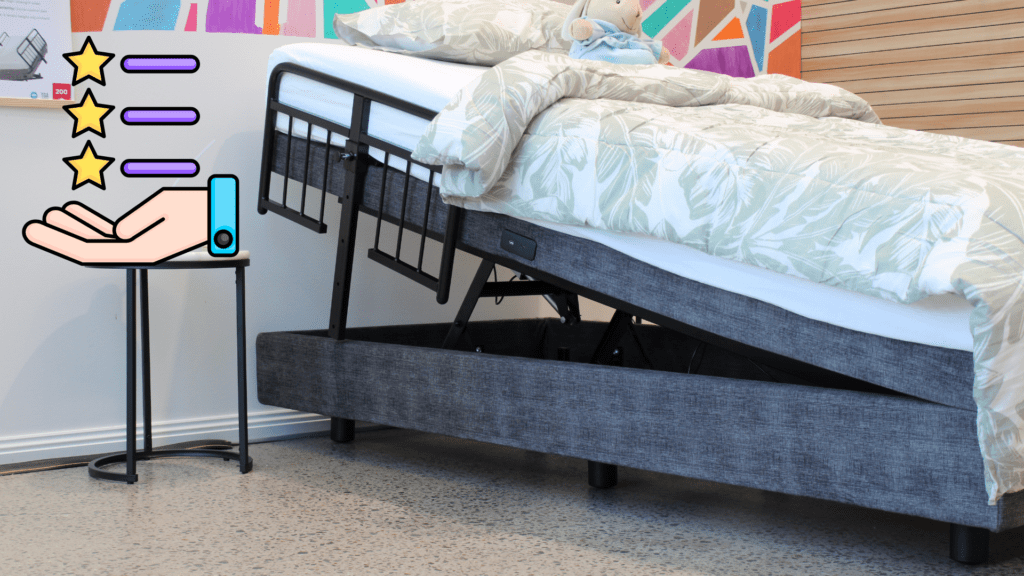
Looking after someone who struggles with mobility can be tough. It often takes a toll on your body and, at times, can feel quite draining. Lifting, adjusting positions, and helping someone move in and out of bed are all part of the daily routine — and they add up. That’s exactly why a portable power bed can be so useful. Think of it as quiet support that’s always ready. These beds allow the person using them to lie back, sit up, or shift position with minimal effort, and they take a lot of pressure off the person providing care as well. This guide is made for caregivers — whether you’ve just started or you’ve been doing it for a while and want to make things smoother. We’ll walk through the key features of portable power beds, how they can make everyday tasks easier, and what to consider before using one. It’s straightforward, practical, and based on helping both you and the person you care for feel a bit more at ease day to day. Key Takeaways A portable power bed helps reduce strain on caregivers while ensuring patient comfort. Proper adjustments and safety features enhance usability and mobility assistance. Explore quality power beds at Assistive Tech Hub. 1. What is a Portable Power Bed? Overview & Features A portable power bed is just what it sounds like — a bed that runs on electricity and lets you change its position with a remote. You can raise or lower the head, the legs, or the whole bed. It’s helpful whether you’re trying to get comfortable, sit up properly, or get out of bed without struggling. Most of them come with a few practical features: A remote to control how the bed moves Side rails you can lock in place for safety Wheels, so it’s easier to move around A frame that folds or doesn’t weigh much Key Benefits for Caregivers & Patients They’re often used at home, mainly for people who: Are older and need extra help Are recovering from an operation Have long-term health problems that make it hard to move about If someone wants to read, watch telly, or just get into a better position, the bed adjusts without them needing to ask for help. And for carers, it makes things a lot easier too. Helping someone in and out of bed or changing their position doesn’t take as much effort, which makes a big difference day to day. 2. How to Set Up a Portable Power Bed Step 1: Choosing the Right Location Before setting anything up, have a proper think about where the bed should go. It’s not just about what fits — it needs to be in a spot that works well for everyday use. Check that the floor is level. A bed like this needs to sit steady, so avoid rugs or raised bits that might throw it off balance. It’s also best to have it near a power socket, so you’re not having to mess about with extension leads. There should be a bit of space around all sides — enough to walk around it or give someone a hand getting in or out. If it’s going to be used regularly, it helps to keep it close to the bathroom or wherever the person’s essentials are — things like clothes, medication, or care supplies. It just makes everything that little bit easier. Step 2: Assembling the Bed Once you’ve sorted the space, you can start putting the bed up. It might look like a lot at first, but take it one bit at a time — no rush. Lay all the parts out first so you can see everything. Don’t skip the manual — give it a quick read. It saves you from guessing later. Start with the base and motor. Get those pieces connected and sitting right. Then plug in the remote and press a few buttons to check it’s all responding properly. Fit the side rails if it comes with any. Make sure they click in properly and aren’t loose. Once it’s all together, plug the bed in and try moving it — lift the head, lift the legs, check it goes up and down without any issues. Some beds arrive half-built, which is handy. Still, give everything a once-over before it’s used — just to be safe. Step 3: Adjusting the Bed for Maximum Comfort Once the bed’s set up and working, the next thing is to get it adjusted properly so it’s actually comfortable to use. Everyone’s different, so it might take a bit of trying things out. You can raise the head if the person wants to sit up — handy for reading, eating, or just watching telly. Lifting the legs can help with swelling or aches, and can take pressure off joints too. You can also change the height of the whole bed. Lower it to help someone get in or out more easily, or raise it if someone’s helping with care. Try a few different settings and ask how it feels. There’s no one right way — it’s just about finding what works best for the person using it. 3. Safe Usage & Positioning for Caregivers Proper Sleeping & Sitting Positions Shifting positions throughout the day is quite important. It helps people stay more at ease and can prevent pressure-related injuries from developing over time. Here are a few common ways the bed might be adjusted: Flat position – usually the best setup for sleeping at night. Slightly reclined – often helps with breathing, easing digestion, or just resting more comfortably. Feet raised – tends to help with swelling in the legs or improving circulation. You can adjust the bed as needed based on what suits the individual at any given moment. That’s one of the real advantages of using an adjustable bed – it gives you flexibility without too much fuss. Using Side Rails for Safety Side rails are mainly there to keep someone from

Using a Portable Power Bed: A Complete Guide for Caregivers Read More »

How to Adjust and Use a Reclining Wheelchair for Maximum Comfort

Using a reclining wheelchair can really help someone who struggles with sitting for long periods. It’s not only about having a place to sit—it’s about sitting in a way that feels right, supports the body properly, and helps prevent discomfort. For people with limited movement or those who find it hard to sit upright all the time, the added support from a reclining backrest can make daily life a lot easier. That said, just owning the chair isn’t enough. It needs to be set up correctly to actually do its job. If it’s adjusted the right way, it can take pressure off certain parts of the body, make it easier to shift positions, and help with things like blood flow and posture. All of that makes a big difference, especially when someone’s using the chair for several hours each day. This blog walks through the key things to look out for—how to set the chair up so it suits the person using it, tips for staying safe while using it, and how to keep it in good working order. Whether you’re the one in the chair or you’re helping someone else, knowing how to use it properly means you’ll get far more benefit out of it in the long run. Key Takeaways Adjusting the recline and footrest prevents discomfort and improves circulation. Using a reclining wheelchair correctly reduces strain and enhances mobility. Explore high-quality reclining wheelchairs at Assistive Tech Hub. 1. Benefits of a Reclining Wheelchair Enhanced Comfort & Posture Support Reclining wheelchairs are simply more comfortable than standard ones. Being able to lean back helps ease pressure on your back and neck, especially if you’re sitting for most of the day. It lets you shift positions easily, which helps prevent stiffness and aches. Pressure Relief & Circulation Improvement If you sit in one position too long, pressure sores can become a problem—especially if you can’t move around much. Reclining spreads your weight out more evenly, which gives your body a break. It also helps with blood flow, which is useful if you’ve had swelling in your legs or feet. Increased Mobility & Independence These chairs aren’t just for rest. They support daily activities like eating, reading, or watching TV. And if you’ve got a power recline, you can adjust the position yourself at the press of a button. That little bit of control can really help people feel more independent. 2. How to Adjust a Reclining Wheelchair for Comfort Making a reclining wheelchair more comfortable doesn’t take much—it’s mostly just about adjusting a few things so your body feels supported properly. Everyone’s built a bit differently, so you’ve got to tweak it to fit you. Step 1: Adjusting the Recline Angle Don’t lean it all the way back straight off. Try easing it back a little at a time until it feels good. You want your back to feel supported without tipping too far or putting pressure on your spine. If your lower back feels like it’s hanging or not touching the chair properly, that’s usually a sign you need a small cushion there. Even a folded towel can help. Step 2: Positioning the Footrest & Leg Support Footrests get ignored, but they actually matter more than people think. If they’re set too high or too low, your knees won’t sit right, and that throws off your whole posture. You’re aiming for a relaxed bend—nothing too sharp. Some chairs let you lift the leg rests up. That’s useful if your legs get swollen or ache after a while. Just make sure your whole leg is supported from your thigh right down to your heel. Dangling feet? Not great. Step 3: Securing Armrests & Headrests Arms should rest easy—no shoulder shrugging or reaching. If your arms feel tense or unsupported, nudge the armrests up or down a bit. Headrests are trickier. Your head should feel balanced—not pushed forward or falling back. Play around with the angle until your neck stays relaxed when you lean back. 3. Using a Reclining Wheelchair Safely Once the chair is set up and feels right, it’s worth knowing a few things about using it safely from day to day. Proper Sitting & Transferring Before anything else, make sure the brakes are on. It might seem like a small thing, but if the wheels move while you’re sitting down or standing up, it can be risky. Hold onto the armrests or side handles to help steady yourself. If it ever feels difficult or you’re unsure, it’s perfectly fine to ask someone nearby to help out. There’s no rush—doing it slowly usually keeps things much safer. Safe Reclining & Returning to Upright Position When you want to lean back, take it easy. Don’t push the chair back too quickly—it can catch you off guard or make you feel light-headed. Coming back up should be just as steady. After you’ve sat upright again, it’s a good idea to wait a few seconds before moving or trying to stand, just to give your body a moment to adjust. Adjusting for Different Activities Think about what you’re about to do, and adjust the chair to match. Here’s a simple way to look at it: Fully Reclined: Handy for resting or a quick nap. Slightly Back: Good for things like reading, watching telly, or having a meal. Upright: Best when you’re chatting, doing something with your hands, or planning to move about. Every position gives your body a different kind of support, so it’s worth trying a few until you find what suits you. What feels right one day might feel different another day, and that’s completely normal. 4. Maintenance & Care for Long-Term Comfort If you want your wheelchair to last and stay comfortable, it’s worth doing a bit of basic care now and then. Nothing fancy—just small things that make a real difference over time. Regular Cleaning & Cushion Care Try giving it a quick wipe once a week. Use a damp cloth or a mild spray cleaner—whatever

How to Adjust and Use a Reclining Wheelchair for Maximum Comfort Read More »

Toilet Rails 101: How to Use Them Safely for Maximum Support

Most people don’t really think about bathroom safety—at least, not until it becomes necessary. But it’s actually something worth paying attention to, especially if someone in the house is getting older, recovering from surgery, or has trouble moving around. That’s where toilet rails can be genuinely useful. They’re the sort of thing you don’t realise you need—until you do. Toilet rails aren’t just for hospitals or care homes. A lot of people use them in their own homes, and for good reason. They make it easier—and safer—for someone to use the toilet without help. That might not seem like a big deal, but it really is. Being able to manage that on your own means keeping a bit of independence, and for many, that’s incredibly important. It helps people feel more in control, and less reliant on others for basic things. This guide will go through the key things you need to know about using toilet rails properly. We’ll look at how they work, the different styles available, how to set them up, keep them clean, and what to look for when choosing one. If you’re trying to make your home safer for yourself or someone you care about, this is a simple step that can make a real difference.   Key Takeaways Toilet rails reduce fall risks and improve bathroom safety.  Proper installation and weight distribution enhance effectiveness.  Explore high-quality toilet rails at Assistive Tech Hub.  1. Why Toilet Rails Are Essential for Safety Preventing Bathroom Falls Bathroom slips happen more often than most people think. All it takes is a bit of water on the floor or a mat that moves, and someone can end up falling hard. It usually happens quickly, and the injuries can be serious—things like broken bones or even a trip to A&E. That’s why toilet rails are useful. They give you something to grip when sitting down or trying to stand. That bit of extra support can make all the difference, especially if you’re feeling unsteady or tired. Who Benefits from Toilet Rails? A lot of people think toilet rails are only for the elderly, but that’s not really the case. They can help anyone who finds it difficult to move around safely in the bathroom. Older adults who have trouble with balance or stiff joints  People recovering after surgery—especially hip or knee ops  Those with ongoing conditions that cause weakness or pain  Anyone using mobility aids or needing extra support, even for a short time  Even if someone’s only using them for a few weeks, it takes a lot of pressure off. And it’s not just the person using them who feels better—family and carers worry less too, knowing the bathroom isn’t as risky anymore. 2. Types of Toilet Rails & Their Features Wall-Mounted Toilet Rails This type is fixed to the wall, so once it’s in, it stays put. That makes it a solid choice if someone needs something strong and stable. Some versions fold up when not being used, which helps if the bathroom’s a bit tight on space. Works well in smaller bathrooms  Needs proper tools and a bit of effort to install  Once it’s on the wall, it looks clean and doesn’t get in the way  Freestanding Toilet Rails These are handy because you don’t need to drill anything. You just put it in place around the toilet and it’s good to go. That’s why they’re popular with people who rent or only need help for a short time, like after an operation. Can be picked up and moved easily  Light, but still gives decent support  Some versions fold away if needed  Toilet Frame Rails This style wraps around the toilet and gives support on both sides. They’re good if someone needs to use both arms to lower themselves down or stand back up. They’re usually adjustable too, so you can set them to the right height. Support comes from both sides, so feels balanced  Some have soft padding on the armrests  Most let you change the height to suit the user  Which one’s best depends on what kind of support is needed. Some people need something that’s going to stay there long-term. Others might just want something light and easy to remove later. The main thing is that it helps the person feel safe and steady when using the toilet. 3. Step-by-Step Guide to Safe Toilet Rail Usage Step 1: Choosing the Right Rail for Your Needs To start with, not every rail does the same thing, so it’s worth taking a proper look at what the person actually needs, not just what the price tag says. A few things to consider: How much support is actually needed?  Is support required on both sides or just one?  Will the rail be used every day or only now and then?  You’ll also want to look at details like how much weight the rail can handle and whether it can be adjusted in height or width. For someone who’s much taller or shorter than average, these things matter quite a lot. At the end of the day, ease of use and safety should work together.   Step 2: Proper Installation & Setup Moving on to the setup part. Whether you’re working with a rail that stands on its own or one that gets fixed to the wall, it’s important to get the installation spot on. Go through the manual first. Yes, really. Even if you think you know how it works, every model tends to have its own way of doing things. Make sure all bolts and fittings are tightened properly. If the rail wobbles or shifts, it’s not safe to use. Before anyone starts relying on it, give it a good test. Lightly push and pull it to make sure it’s firm and doesn’t move. For wall-mounted options, double-check that it’s fixed into something solid like a wall stud, not just plasterboard. If that’s something you’re not confident doing yourself, it’s best to get someone with experience

Toilet Rails 101: How to Use Them Safely for Maximum Support Read More »

Step-by-Step Guide to Assembling a Foldable Wheelchair Commode

A foldable wheelchair commode might look like something you’d only come across in a hospital setting. However, it’s actually quite practical for home use as well. For those who have trouble walking or standing for long stretches, it can make going to the toilet much safer and easier—especially when getting to the bathroom isn’t always possible or convenient. If you’re setting one up for the first time, it’s normal to feel unsure about how to begin. But don’t worry—you won’t need any technical background. With a bit of space, a few basic tools, and this straightforward guide, you’ll be able to put it together without much fuss. Once you’re finished, the commode will be ready for everyday use. And even better, you’ll know you did it yourself, which is always a good feeling.   Key Takeaways Assembling a foldable wheelchair commode is easy with the right approach.  Following safety guidelines ensures durability and user comfort.  Find high-quality wheelchair commodes at Assistive Tech Hub.  1. Understanding the Parts of a Foldable Wheelchair Commode Before you start putting the commode together, it helps to know what each part is for. Once you’ve got a clear idea of how everything works, the rest tends to fall into place. Key Components Frame – This is the main bit that holds the whole thing together. It’s built to be strong enough to support the user, but it also folds up so it’s easier to store or move around when not in use. Seat & Commode Bucket – The seat is where the user sits, and underneath it sits the commode bucket. The bucket is there to collect waste and can be taken out without much fuss when it needs cleaning. Wheels & Brakes – Not all models have wheels, but many do. They make moving the commode from one spot to another much easier. The brakes are there for safety—to keep the chair still when someone’s sitting down or standing up Armrests & Footrests – These parts are there to add comfort and support. The armrests give the user something to hold onto, which helps with balance, especially when getting in or out of the chair. Footrests stop the feet from dangling, which can make sitting more comfortable for longer periods. Checking the Package Contents Before you start assembling, open the box carefully and remove all the parts. Place them on a clean, flat surface—like a towel or mat—to stop any pieces from moving around or going missing. Refer to the instruction manual as a checklist and confirm that the following items are included: Foldable frame Seat and bucket Armrests and footrests Wheels (if provided) Screws or bolts Tools (if supplied with your model) 2. Pre-Assembly Preparations Before you begin, double-check that you’ve got all the parts listed in the instructions. Once that’s done, take a moment to set up your workspace properly and make sure the tools you need are close by. Choosing a Proper Assembly Area Where you set up can make a big difference: Use a flat, steady surface – Try to avoid working on thick carpets or uneven flooring, as they can make the furniture wobble while you’re putting it together. Good lighting – Daylight is ideal, but a decent lamp will do if you’re indoors. Plenty of space – You’ll need room to lay everything out and move around without knocking things over. On a dry, warm day, working outside—say, on a clean patio or deck—can be just as practical.   Gathering Necessary Tools You don’t need any special equipment—just a few basic tools that are commonly found in most households.  Here’s what you should have on hand: Common tools include:  Adjustable spanner – Useful for tightening or loosening nuts and bolts.  Phillips screwdriver – Designed for screws with a cross-shaped (X) head.  Allen key (hex key) – Sometimes required for bolts with a hexagonal socket.  3. Step-by-Step Assembly Instructions Step 1: Set Up the Frame Start by opening up the frame. It folds out a bit like a camping chair. Open it until it clicks – that sound or feeling means the frame has locked into place. Once it’s open, check if it’s steady. Give it a bit of a shake – it shouldn’t wobble. If it does, fold it back down and try again. Sometimes the legs don’t fall into place straight away. Step 2: Attaching the Seat and Commode Bucket Now take the seat and place it on top of the frame. Some seats snap in; others might need screwing in – depends on your model. Make sure it’s on securely before moving on. Once that’s done, slide the bucket underneath. It needs to sit right under the seat opening. If it looks off-centre, just take a second to reposition it. You don’t want any gaps there. If your bucket has a lid, keep that close. You’ll need it once the commode’s in use. Step 3: Installing Armrests and Footrests Have a look at the frame and find the slots where the armrests need to go. You’ll see the fittings line up in a certain way — just line them up properly, then press down firmly. You should feel or hear a click when they’re in the right place. Once that’s done, move on to the footrests. These usually either clip on or swing into place, depending on the type. Fit them how they’re meant to go, then give each one a light tug to check they’re held securely. If anything feels loose or like it might fall off, it’s best to take it off and try again. It’s far better to catch it now than to have it come undone while someone’s actually using the chair.  Step 4: Fixing the Wheels and Brakes If your commode comes with a wheels, attach them securely to the base of each leg using the screws or bolts provided in the box. Once attached, ensure the brakes operate correctly. Depending on what’s included, you’ll either need a spanner or

Step-by-Step Guide to Assembling a Foldable Wheelchair Commode Read More »

How to Properly Maintain & Clean Your Mobility Scooter

Mobility scooters make it easier for people to get around on their own. You can use one to run errands, go for a ride, or visit someone without too much trouble. But like anything with moving parts, a scooter needs some basic upkeep. If you keep it clean and check it now and then, it’ll keep running well and probably won’t break down as easily. This guide walks you through how to clean and take care of your scooter, one step at a time.   Key Takeaways Regular maintenance extends the lifespan of your mobility scooter.  Cleaning prevents dirt buildup, rust, and mechanical issues.  Find reliable mobility scooters and accessories at Assistive Tech Hub.  1. Why Regular Maintenance Matters Most people wait until something breaks before checking it. But looking over your scooter now and then can stop small issues from turning into big ones. Extending the Lifespan of Your Mobility Scooter Your scooter takes a lot of use. It moves you around, handles different ground, and runs on a battery. If you don’t look after it: Tires wear out unevenly  Brakes stop working as well  Bolts and screws can come loose  The battery doesn’t hold power like it used to  If you keep it maintained: The motor runs better  Parts don’t wear out as fast  It’s safer and more comfortable to ride Avoiding Unexpected Breakdowns Nobody wants their scooter to stop in the middle of a store or out at the park. That kind of thing happens if you skip basic checks. Just looking things over helps you catch: Brakes that aren’t working right  A battery that drains fast  Tires that are flat or cracked  Loose wires or parts  Catching these early saves you from bigger problems later and keeps your day on track. 2. Cleaning Your Mobility Scooter: Step-by-Step Guide Gather the Right Cleaning Supplies Keeping your scooter clean helps it last longer and work better. Dirt can cause problems if it builds up. Here’s what you need: Microfiber cloths Mild soap or just soapy water Small brush or old toothbrush Can of compressed air (if you have it) Dry towel  Exterior Cleaning Tips Turn the scooter off and unplug it if it’s charging. Wipe down the seat, frame, handles, and armrests with a damp cloth. If there’s sticky stuff or dirt, use a little soap. Don’t get water near buttons, ports, or the battery. Dry everything well with a towel.  Wheel & Tire Maintenance Use the brush to get rid of dirt, stones, or leaves stuck in the wheels.  Look at the tires—see if they’re cracked or worn out.  If your tires need air, check the pressure and add more if it’s low. The right number is in the manual.  3. Battery Care & Maintenance Your scooter’s battery is its heart. Without it, the scooter won’t go anywhere. Treat it well and it’ll power you for longer. Maximizing Battery Life Here are some battery care tips: Charge it regularly—even if you’re not using it every day.  Avoid letting the battery drain completely.  If you know you won’t be using it for a week or more, give it a full charge and unplug it.  Think of your battery like your phone—topping it up often helps it last longer.   Cleaning Battery Terminals Corrosion (white, crusty buildup) can form where your charger connects. To clean: Turn off the scooter completely.  Use a dry cloth or terminal cleaner to gently clean around the connections.  Don’t use water or wet wipes near the battery area.  Doing this monthly can keep your charging quick and reliable. 4. Regular Safety Checks & Preventive Maintenance Inspecting Brakes & Controls Press the brake levers and listen for grinding or delay.  Make sure the throttle (the “go” switch) doesn’t stick or lag.  Turn the handlebars left and right—should be smooth, no stiffness.  If something feels off, get it checked before using the scooter again.   Checking Lights & Indicators Turn on your lights—headlight, brake light, and turn signals.  Replace any bulbs that don’t light up.  Dirty light covers? Clean them with a cloth so you stay visible, especially at night. Tightening Loose Parts Vibrations from daily use can shake things loose. Take a moment to: Check armrests, seats, baskets, and mirrors.  Tighten any screws, bolts, or knobs that feel wobbly.  Don’t forget under the scooter too—especially if you go over bumpy roads.  5. Storing Your Mobility Scooter Properly Choosing the Right Storage Space Always store your scooter somewhere: Dry (not damp like basements or outdoors)  Cool (not in hot sun or near heaters)  Flat (no hills or angles)  If you must leave it outside, place it under a covered area to avoid rain and sun damage. Covering for Extra Protection A scooter cover helps keep: Dust and dirt off  Moisture out  Bugs and pests away  If storing for more than a few weeks: Disconnect the battery or take it indoors.  Give the scooter a good clean before storing.     6. Where to Buy Quality Mobility Scooters & Accessories At Assistive Tech Hub, we provide high-quality assistive technology built for real-world care needs. Browse the latest mobility scooters. Looking for an easy-to-use option? Check out the Automatic Folding Mobility Scooter. Final Thoughts Maintaining and cleaning your mobility scooter might seem like a small task, but it plays a big role in how well your scooter performs and how long it lasts. With regular care—like wiping it down, keeping the battery charged, checking the tires, and tightening loose parts—you’re not just keeping it clean, you’re also making sure it stays safe and dependable. Plus, proper storage and routine checkups help prevent surprise breakdowns that could ruin your day. Treat your scooter with a little attention now, and it will continue to support your independence and mobility for years to come.   Invest in quality scooters and accessories that will take you far. Find everything you need at Assistive Tech Hub.

How to Properly Maintain & Clean Your Mobility Scooter Read More »

How to Make Bathrooms Safer for Seniors with Limited Mobility

For many older adults, using the bathroom can be risky—especially if it’s hard for them to move around easily. Wet floors, tight corners, and not having anything to hold onto can lead to falls. And falls aren’t minor—they can cause serious injuries like broken hips or head wounds. But the good news is, you don’t need to renovate the whole bathroom to make it safer. A few small changes can really lower the risk. In this article, we’ll go over the most common safety issues and simple ways to fix them. If you’re a senior, a caregiver, or a family member, these tips are easy to follow and can help prevent accidents at home. Key Takeaways Slips and falls are common in bathrooms for seniors with limited mobility. Shower chairs and toilet rails significantly improve stability and support. Explore high-quality bathroom safety products at Assistive Tech Hub. 1. Understanding the Risks of Bathroom Falls Why Bathrooms Are Dangerous for Seniors Bathrooms have many hard and slippery surfaces. When water spills on the floor, it makes things even worse. For seniors who already have trouble walking or keeping their balance, this is a recipe for disaster. Also, most bathrooms are small and don’t have anything strong to grab if someone starts to slip. That’s why bathrooms are one of the most common places for seniors to fall. Common Injuries from Bathroom Falls When seniors fall in the bathroom, they often get badly hurt. They may break a hip, sprain an ankle, or hit their head. These kinds of injuries can take a long time to heal, and sometimes the person may never feel the same again. Even worse, these injuries can make seniors afraid to move around by themselves. This fear can lower their confidence and independence. 2. Essential Bathroom Safety Modifications Installing Non-Slip Flooring & Mats Start with the floor. Regular bathroom tiles can be super slippery when wet. Add rubber mats both inside and outside the shower to give better grip. You can also switch to textured floor tiles or use an anti-slip coating. These surfaces help reduce the chance of slipping. Plus, they’re easy to clean and look good too. Shower Safety: The Role of Shower Chairs Standing in the shower for too long can be tiring. For someone with weak muscles or balance issues, it can be dangerous. A shower chair lets the person sit while showering, which makes things safer and more comfortable. Here are two smart options: 360° Rotation Shower Chair – for easy movement. Foldable Shower Chair – compact and space-saving. Both options reduce the risk of falling and help seniors feel more in control while bathing. Using Toilet Rails for Added Support Getting on and off the toilet is harder than it sounds for someone with sore joints or muscle weakness. That’s where toilet rails help. These sturdy handrails give seniors something to hold onto for support. There are different kinds. Some attach to the wall, and others fit right next to the toilet. No matter the style, they give much-needed stability and confidence. Explore toilet rail options for added security. 3. Assistive Devices for Safer Bathrooms Grab Bars & Handrails Grab bars are must-haves. Install them near the toilet, in the shower, and by the sink. They give seniors something strong to hold onto when moving around. Make sure the bars are securely attached to the wall. Don’t use towel racks as grab bars—they aren’t made to hold body weight. Handheld Showerheads for Convenience A handheld showerhead makes it easier to bathe while sitting. Seniors don’t have to twist or stretch, which lowers the risk of falling. Look for models with a long, flexible hose. These let the user control where the water goes without needing to move much. Raised Toilet Seats for Accessibility Toilets are usually low to the ground. That makes it hard for seniors to sit down or stand up. A raised toilet seat adds height, which makes everything easier. These seats are especially helpful for people with arthritis or balance problems. They’re simple to install and come in many sizes to fit different toilets. Tips for Caregivers and Family Members Creating a Fall Prevention Routine Even if a bathroom is set up with safety in mind, it’s important to stay alert. Make sure the floor is always dry. Remove anything that could be tripped over, like rugs or cords. Also, check that the bathroom is well-lit. Nightlights or motion-sensor lights help seniors see better during late-night bathroom visits. Encouraging Safe Bathroom Habits Teach seniors how to use safety tools the right way. Show them how to sit on the shower chair, use the grab bars, and move slowly and carefully. It’s okay to help them when needed. But also give them space to do things on their own. This keeps their confidence up and helps them stay independent. 5. Where to Buy the Best Bathroom Safety Equipment At Assistive Tech Hub, we provide high-quality assistive technology built for real-world care needs. Browse the full range of bathroom safety products. We also offer wholesale options for aged care facilities looking to upgrade multiple rooms. Whether you’re managing a small care home or a larger facility, we’re here to help you scale smartly. If you have any questions about features, setup, or compatibility, our customer support team is ready to assist. We’re here to make sure you get the right solution for your specific needs. Final Thoughts Seniors with limited mobility face real risks in the bathroom, but those risks can be reduced. With simple changes like adding grab bars, using a shower chair, or raising the toilet seat, a bathroom can become a safe space again. These tools don’t just prevent falls—they help seniors stay independent and feel confident. That’s a win for everyone. Whether you’re upgrading your own home or helping a loved one, these tips can make all the difference. So don’t wait. Start making the bathroom safer today, and check out the tools at Assistive

How to Make Bathrooms Safer for Seniors with Limited Mobility Read More »

The Ultimate Guide to Choosing Shower Chairs for Elderly & Disabled Users

Taking a shower should be a simple, everyday thing—but for a lot of older folks or people who have trouble moving around, it can feel scary. Bathroom floors are slick, tubs are hard to get in and out of, and one wrong step could mean a painful fall. That’s why shower chairs are such a big help. They give you a solid, safe place to sit so you don’t have to worry about slipping. You can take your time, feel steady, and not stress about losing your balance. And honestly, having that bit of support can help you feel a little more in control again. In this guide, I’ll break down what to look for in a shower chair—things like different styles, what features really matter, how to set it up the right way, and where to find one that won’t fall apart after a few uses. The goal here is simple: to make showering feel safe, easy, and comfortable again. Key Takeaways A shower chair provides safety and convenience for users with limited mobility. Choosing the right size, material, and features ensures maximum support. Explore high-quality shower chairs at Assistive Tech Hub. 1. Why Shower Chairs Are Essential for Mobility Support The Risk of Slips and Falls in Bathrooms Bathrooms are common places for slips and falls, especially for older adults. Wet floors make it harder for people with limited mobility to stay safe. How Shower Chairs Enhance Safety Shower chairs give support and help prevent falls. They make it easier and safer to shower without help. They are especially useful for people healing from injuries or living with long-term health issues. 2. Types of Shower Chairs: Which One Suits You Best? Standard Shower Chairs This is the basic kind most people start with. It has four sturdy legs, a backrest, and sometimes armrests. It’s made for people who can still move fairly well but want some extra support in the shower to feel safe and steady. It doesn’t move or fold — it just stays put. The wide base makes it stable, and the backrest helps you stay upright. If you’re sitting for a while, look for one with a padded seat. Foldable Shower Chairs This is a good option if you’re tight on space or need to move the chair often. It folds up, so you can store it when you’re not using it — helpful in shared bathrooms or small apartments. Even though it folds, it’s usually strong enough for daily use. It’s also easier to take with you if you’re traveling or staying somewhere temporarily. Recommended: Foldable Shower Chair 360° Rotation Shower Chairs This type has a seat that turns. Instead of twisting your body to reach things or to get in and out, you can rotate the chair. This takes pressure off your back, hips, and knees. It also makes things easier if someone’s helping you shower, because they can turn the chair instead of shifting your whole body. Most of these chairs also lock in place for safety. Recommended: 360° Rotation Shower Chair 3. Key Features to Consider When Buying a Shower Chair Material & Durability The chair will get wet all the time, so it has to be something that won’t rust and is easy to wipe clean. Go for aluminum or tough plastic. Look at how much weight it holds. Many go up to 113 kg, but if the user is heavier, look for one made for higher weight. Adjustable Height & Armrests People aren’t all the same height, so adjustable legs make a big difference. That way, you’re not bending too much when sitting or standing. Armrests help, especially if the person has trouble standing up on their own. Non-Slip Feet & Drainage Holes Rubber feet stop the chair from sliding on wet floors — really important for safety. A seat with holes lets the water drain out instead of pooling. It dries faster and is more comfortable to sit on. 4. How to Properly Use and Maintain Your Shower Chair Installation & Setup Make sure the chair sits flat on the floor and doesn’t move around. If the legs can be adjusted, check that they’re all the same height. Put the chair where it’s safe to use—ideally near a grab bar or close to where you keep your soap and shampoo. Regular Maintenance & Cleaning After each shower, rinse off any soap or dirt. It helps to wipe it dry so mold doesn’t grow. Give it a deeper clean once a week with some mild soap and warm water. Dry any metal parts well, even if they’re rust-proof. Every few weeks, check if any screws or parts are loose. Tighten them if needed so the chair stays safe to use. 5. Where to Buy the Best Shower Chairs? At Assistive Tech Hub, we provide high-quality assistive technology built for real-world care needs. Browse our full range of shower chairs for the best fit. If you have any questions about features, setup, or compatibility, our customer support team is ready to assist. We’re here to make sure you get the right solution for your specific needs. Final Thoughts Choosing the right shower chair isn’t just about comfort—it’s about safety and freedom. Whether for yourself or someone you love, having the right support in the bathroom can make daily life much easier. So, take your time. Think about the user’s needs. Look at the features. And when you’re ready, check out what Assistive Tech Hub has to offer. You deserve a bathroom that’s safe, easy, and built for you.

The Ultimate Guide to Choosing Shower Chairs for Elderly & Disabled Users Read More »

Compare Products

Scroll to Top