

Comparing Voice-Controlled and Traditional Adjustable Beds
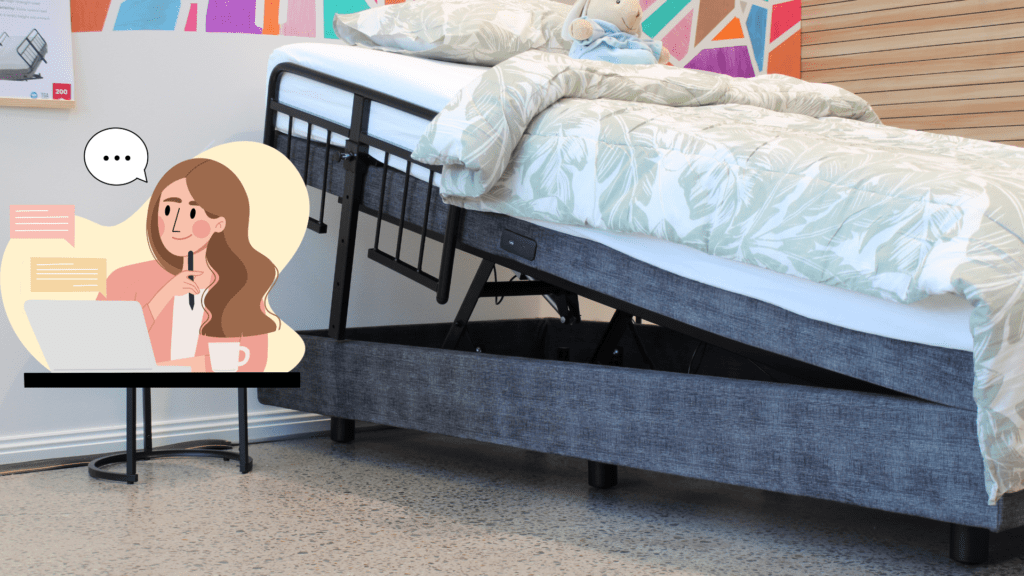
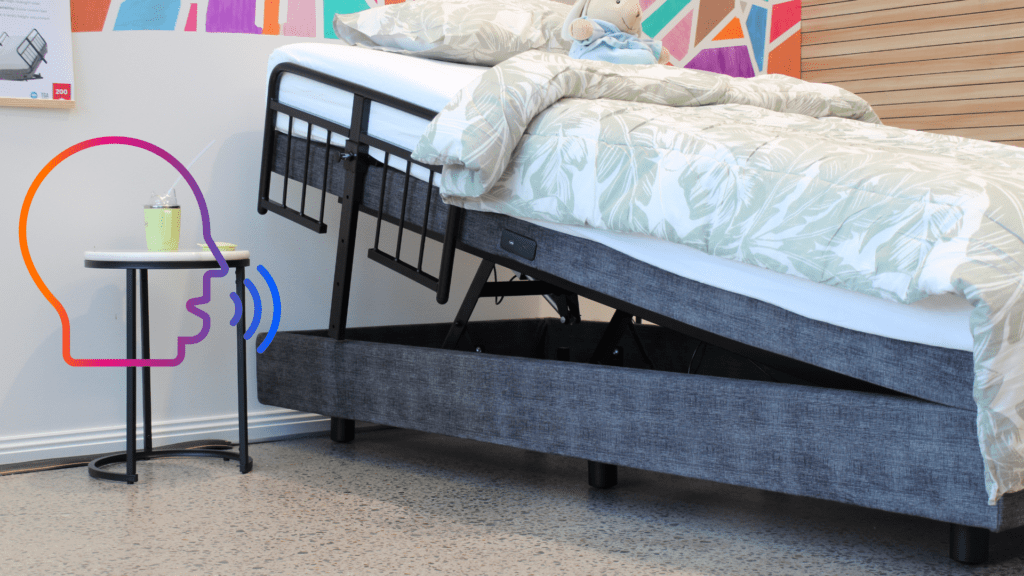
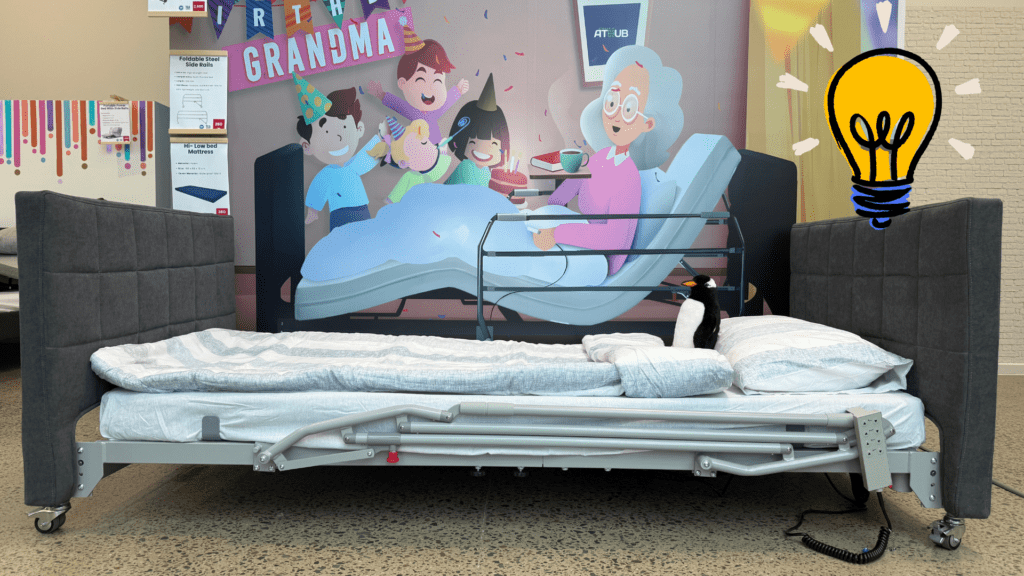
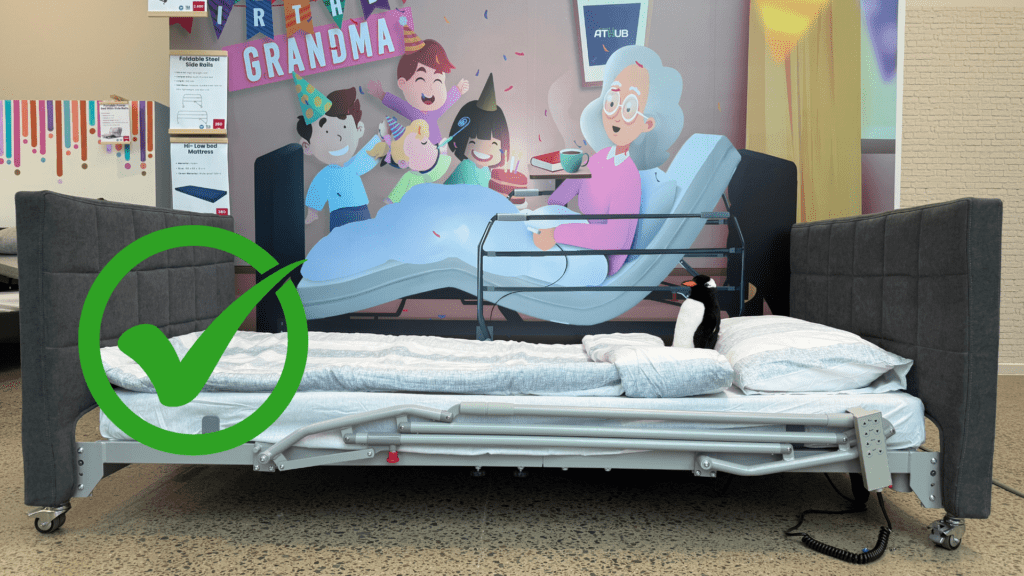
Looking for a bed that adjusts to your comfort? Adjustable beds are a great option—whether it’s for medical reasons, improving sleep, or just making life a little easier. But today, we’re seeing a big shift: voice-controlled beds are becoming more popular. So, how do they compare to traditional adjustable beds? If you’re curious about how voice-controlled beds actually work, check out our Voice Control Homecare Hi-Low Bed to see it in action. 1. Overview of Adjustable Beds What Are Adjustable Beds? Adjustable beds let you raise or lower the head, foot, or the whole bed to find the perfect position. They’re often used for comfort, better sleep, or to help with health problems like circulation or back pain. Traditional Adjustable Beds These beds usually come with a remote control—either wired or wireless—that lets you move the bed. They work well, but you’ll need to press buttons and hold the remote to make changes. Voice-Controlled Adjustable Beds These modern beds use voice commands. Instead of pressing buttons, you simply say things like “Raise the head” or “Lower the bed” and it happens. It’s all hands-free. Want to explore more products like this? Head to Assistive Tech Hub for a full range of adjustable beds and smart tech. 2. Control Mechanisms: Voice-Control vs. Traditional Traditional Bed Controls Most traditional adjustable beds use physical remotes or switches. It’s easy to use, but not always ideal—especially if you drop the remote or can’t reach it. Voice-Controlled Beds Voice-controlled beds connect with smart assistants like Amazon Alexa or Google Assistant. You just speak a command, and the bed moves. This is great for people who have trouble with hand movement or want extra convenience. Comparison While both types get the job done, voice control offers a smoother, hands-free experience—especially handy in the middle of the night. Looking for other voice-activated products? Visit our online store to browse smart mobility and comfort aids. 3. User Experience: Comfort, Accessibility, and Convenience Comfort Both types offer excellent comfort by adjusting positions. But with voice control, you can make changes quicker without fumbling for buttons. Accessibility and Independence Voice-controlled beds are a game-changer for people with disabilities or limited mobility. You don’t need to rely on anyone or reach for remotes—just speak. Convenience Being able to adjust your bed hands-free is incredibly convenient. It’s especially helpful for elderly Australians or people with health issues. Need help finding what suits you best? Contact us for personalised support. 4. Technology Integration Smart Home Integration (Voice-Control) Voice-controlled beds can connect to your smart home system. You can control your bed, lights, and even temperature all by voice—making life easier and smarter. Traditional Bed Technology Some traditional beds now come with Bluetooth or app support, but they still don’t match the seamless smart home integration voice-controlled beds offer. Comparison For tech-savvy users or those wanting a smarter home, voice-controlled beds are the clear winner. Learn more about smart assistive devices on Assistive Tech Hub. 5. Safety Considerations Traditional Bed Safety These beds are safe, but they rely on touch—so accidents can happen if you press the wrong button or move too quickly. Voice-Controlled Bed Safety Voice-controlled beds often have built-in safety features like voice feedback or movement locks. You can even set limits to avoid over-adjusting. Comparison Both are safe, but voice control can offer extra peace of mind—especially if you’re adjusting positions alone. Explore more safety-focused products in our store. 6. Maintenance and Durability Maintenance of Traditional Beds You’ll need to check remotes, buttons, and motor parts from time to time. Physical components may wear out with regular use. Maintenance of Voice-Controlled Beds These beds need both tech and mechanical checks—making sure the voice system responds well and that everything is still connected to your smart home setup. Comparison Both types are durable with proper care, but voice-controlled beds may need extra attention for the tech parts. Looking for spare parts or servicing? Visit our Store for support and accessories. 7. Cost Comparison Traditional Adjustable Beds These usually cost less upfront. Prices can go up if you add features like massage settings or advanced remotes. Voice-Controlled Adjustable Beds These beds cost more because of the built-in smart tech and voice compatibility. But they offer extra convenience and independence. Long-Term Value If you value independence and ease, the extra cost of a voice-controlled bed can be worth it in the long run. Want to explore pricing options? Check out Assistive Tech Hub or get in touch for wholesale pricing options. 8. Which Bed Is Right for You? Based on Mobility Needs If you have limited mobility or trouble using your hands, voice control could make your life a lot easier. If you’re more mobile, a traditional bed might do the job. Lifestyle Considerations Love smart tech and convenience? Voice-controlled beds are perfect. Prefer to keep things simple? Traditional beds are more budget-friendly and straightforward. Still unsure? Contact us for expert advice tailored to your situation. Conclusion Both voice-controlled and traditional adjustable beds offer great comfort. But if you’re after hands-free control, more independence, and smart tech integration, voice-controlled beds have the edge. Ready to upgrade your sleep setup? Explore our Voice Control Homecare Hi-Low Bed or browse the full range at Assistive Tech Hub today.
Comparing Voice-Controlled and Traditional Adjustable Beds Read More »