

The Ultimate Checklist for Buying Mobility Aids Online
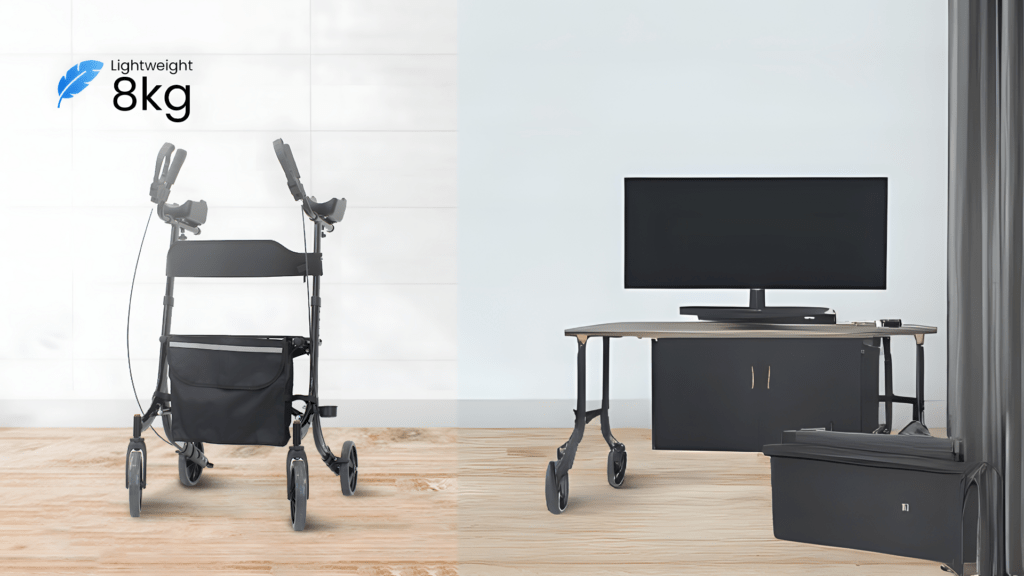
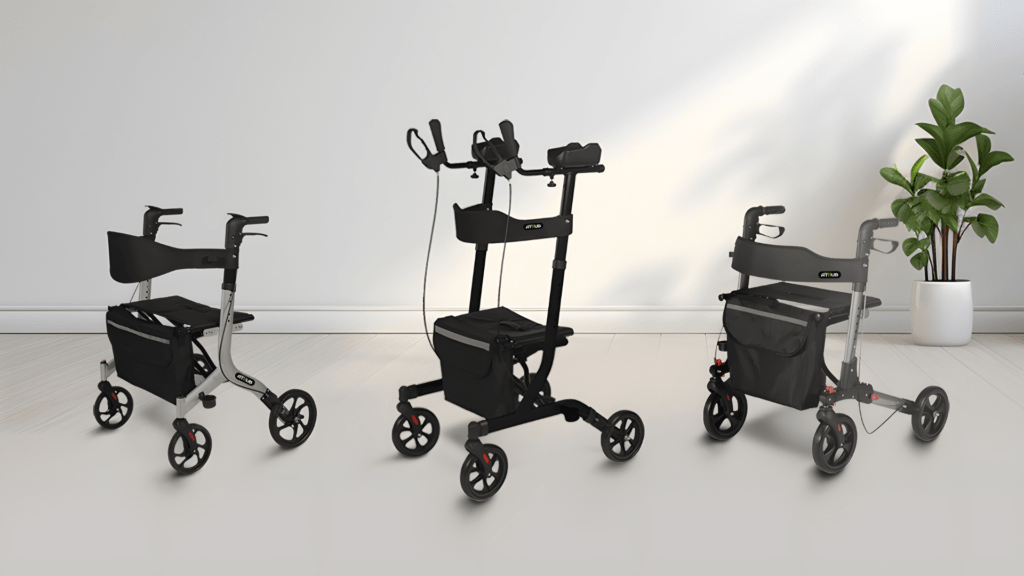
Mobility aids are equipment that allows people to keep track of their independence, safety, and comfort in their daily lives. From wheelchairs to walkers, these are essential things for those recovering from surgery, disabled, or belonging to the elderly audience generally dealing with mobility problems. It is now easy to shop online for mobility aids. With access to a wide range of products, competitive pricing, and real user reviews make it convenient and fulfilling to shop at home — especially for those with limited mobility or access to stores in their local area. There is much more than clicking “Buy” to choose properly. There should be proper assessment of one’s unique needs, product features, and a reputable seller. This checklist will take you through everything you’ll need to know for intelligent shopping before selecting mobility aids that are just right for your lifestyle. Understanding Mobility Aids What Are Mobility Aids? Mobility aids are tools meant for use by the physically disabled to assist them in moving and function independently and safely. Mobility aids lessen the chances of falls, ease physical effort, and offer essential support during the day. Some of the most common types are: – Manual and electric wheelchairs – Mobility scooters – Walkers and rollators – Canes and crutches – Shower chairs, toilet rails, and patient lifters Each defines a specific level of support, from slight assistance in balance to very complex mobility solutions. Who Needs Mobility Aids? Not all mobility aids are meant for all. They come in different varieties for different users, such as: Elderly people who are having problems with balance or strength People who are disabled or chronic illness patients Recovering from surgical or accident injuries Caregivers to help their loved one, whether safe or unsafe. The right device can mean the difference between dependence and freedom of movement. Essential Checklist for Buying Mobility Aids Online 1. Identify Your Needs Before shopping, ask yourself or your healthcare provider: What is the kind of support needed? (Full-time, occasional, temporary?) Is there a medical condition or a need regarding mobility? Where is it going to be used most? Indoors, outdoors, or both? Does it pass the test of fitting your home layout and lifestyle? Clarifying your needs helps you narrow the options to avoid returns and customer dissatisfaction. 2. Research Different Types of Mobility Aids You have to learn about mobility aids before purchasing them. The different types pertain to the needs of the user, who lives in a defined home environment, and specializes in what you might need in lifestyle. Here’s a breakdown by category and product: Wheelchairs & Power Chairs: Power Wheelchairs A battery-powered chair controlled by a joystick—ideal for users with limited strength or mobility. Good for use indoors and outdoors. Wheelchair Commodes: A combined type that offers a wheelchair with a commode in it for the comfort and hygiene of users who cannot use a normal toilet. Walkers and Mobility Scooters: Rollator Walkers These types of walkers have wheels and hand brakes and sometimes incorporate a seat where one can rest. They are really convenient and enhance mobility. Mobility Scooters These are electric scooters that cater to users with limited stamina or walking ability. They are great for running errands or moving around big spaces. Daily living aids Recliner Lift Chairs Help with sitting or standing safely. They are awesome for individuals with joint pain or muscle weakness. Shower Chairs Provide a secure, comfortable seat while bathing. They reduce the risk of slipping and assist with hygiene independence. Support and Safety Equipment Adjustable Beds Allows the person to raise either the head or feet as needed for comfort, breathing support, or circulation improvement. Patient Lifters (Hoyer Lifts) Hoyer lifts are used to lift or relocate a patient who can move very little or not at all. Toilet Safety Rails Provides additional support and stability in that area of the house, i.e., the bathroom, prior to a potential fall risk incurred by transfers. When comparing the differences between various options, consideration should be given to the user’s specific condition, how frequently that item will be used, and where it will be used. 3. Check Product Specifications Carefully read product specification details and look for: Weight limit — It should safely accommodate user occupation. Dimensions — Does it fit through your doorways or hallways? Adjustable — Adjustment greatly increases comfort. Portability — If you do a lot of traveling, check for a foldable or lightweight option. Ease of use — Look out for controls that are not difficult and installation that is simple. These details may seem minor but make a big difference for daily comfort and satisfaction. 4. Compare Prices and Budget Options Pricing is important, but so much more is the value. Compare brands and models across various platforms. Look out for package deals or wholesale prices. Check for financing options or if your insurance would cover it. Study the warranty and return procedures, particularly in respect to expensive aids. Affordable options don’t always mean low quality. Do your research to find the sweet spot between cost and performance. 5. Read Customer Reviews and Ratings You should never take the power of peer feedback lightly. Verify signed copy reviews. Look for common complaints like poor battery life or uncomfortable seats. Focus on highly-rated and widely distributed product Check real pictures and use examples. Reviews give you a clearer picture than product descriptions alone. 6. Verify Seller Credibility Buy from a reputable store or platform — your safety depends on it. Buy it from such trusted retailers like – the Assistive Tech Hub Store Look for secure checkouts (HTTPS, verified payment gateways). Contact info and availability of customer service. Read the complete return, refund, and warranty policy. Avoid sellers with vague listings or no customer support – these are red flags. Placing Your Order and After-Sales Support 1. Understanding Shipping and Delivery Policies Shipping policy matters for large items or even medical-grade items. Check for delivery time estimates. Verify whether it
The Ultimate Checklist for Buying Mobility Aids Online Read More »