
The landscape of assistive technology in 2025 is rapidly evolving, blending cutting-edge innovation with everyday practicality. As the world becomes more inclusive, seniors, people with disabilities, and caregivers are embracing smarter ways to lead safer and more independent lives. From intelligent mobility aids to user-friendly homecare devices, assistive technology in Australia is becoming not only more accessible but also more empowering.
At Assistive Tech Hub, our mission is to connect you with the latest assistive technology of 2025, tested and trusted by real users. Whether you’re an NDIS participant, a senior aiming to age in place, or a family caregiver, this guide highlights the top tools making life easier, safer, and more independent.
The Rise of Smart, Supportive Tech
- Assistive technology in 2025 goes far beyond traditional aids. Devices are now more compact, AI-powered, and tailored to personal needs. As our homes grow smarter and our expectations rise, assistive tools are catching up — offering seamless integration with daily routines and personalized support.
- Importantly, many of these devices are NDIS-approved, making them accessible to eligible Australians. With online platforms like Assistive Tech Hub, users can now buy assistive tech online in Australia with confidence and clarity.
The 10 Best Assistive Technology Devices for 2025
Here’s a look at the most effective and innovative solutions making a difference this year.
1. Smart Fall Detection Wearables
These aren’t just emergency alarms — today’s fall detection devices use AI to distinguish real falls from false alarms and notify carers or emergency services automatically. They offer peace of mind for both seniors and families.
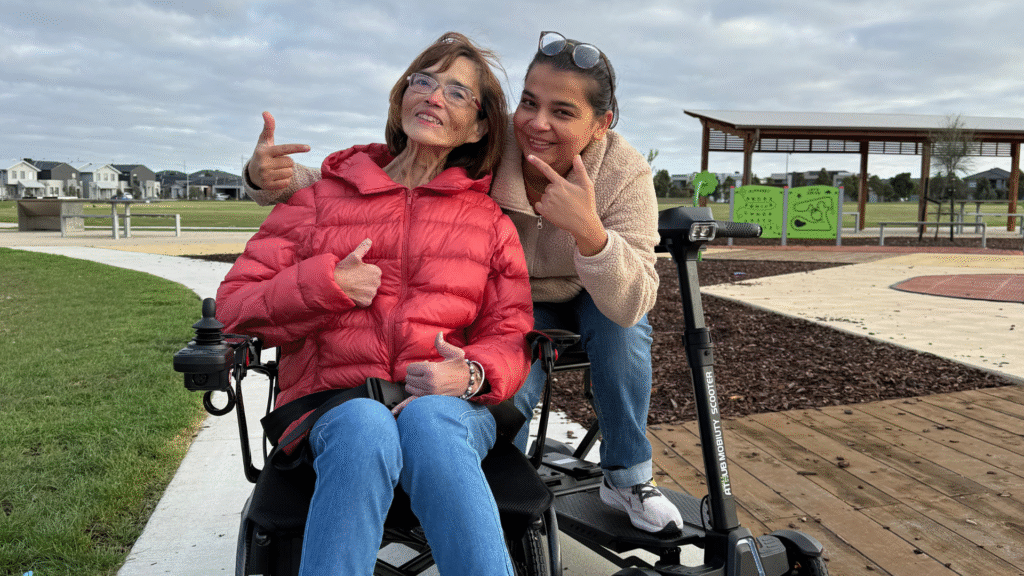
2. Electric Folding Mobility Scooters
Perfect for active seniors and NDIS participants, these scooters are lightweight, airline-approved, and foldable. They’re redefining independence for users with mobility challenges in 2025.
3. Voice-Controlled Home Assistants for Accessibility
No more fiddling with switches or remote controls. Voice tech integrated into lighting, doors, and appliances helps those with limited dexterity or visual impairments control their home effortlessly.
4. Robotic Walking Aids
These intelligent walkers adjust speed, provide real-time balance support, and can be used both indoors and outdoors. It’s one of the most promising mobility aids of 2025.
5. Smart Medication Dispensers
Forget missed doses. These dispensers track medication times, lock between schedules, and alert users or caregivers. They’re especially helpful for dementia patients or those on multiple prescriptions.
6. Adjustable Pressure-Relief Beds
Commonly used in hospitals, these beds are now available for home use. Ideal for individuals with limited mobility, they prevent bedsores and ensure proper posture.
7. Ergonomic Daily Living Aids
From one-touch can openers to adaptive cutlery, these tools simplify routine tasks for people with arthritis, tremors, or reduced grip strength. Simple, but life-changing.
8. GPS-Enabled Smartwatches for Seniors
Offering more than timekeeping, these smartwatches come with location tracking, heart monitoring, and SOS features. They’re ideal for seniors living independently or with memory concerns.
9. Digital Communication Tablets
These aren’t just tablets — they’re designed specifically for people with speech or mobility difficulties. With customizable buttons and visual aids, communication becomes easier and more inclusive.
10. Wheelchair-Compatible Smart Umbrellas
While simple in concept, these new additions offer hands-free weather protection — great for outings, independence, and overall comfort.
Each of these products reflects a trend toward assistive technology for elderly and people with disabilities that is not only functional but also stylish, discreet, and easy to use.
Assistive Technology in Australia: Why 2025 Is a Milestone Year
- Australia is at the forefront of innovation when it comes to inclusive tech. With increased funding from the NDIS and growing awareness among healthcare professionals and families, the assistive tech sector has matured.
- Online platforms like Assistive Tech Hub make it easier than ever to compare features, read real reviews, and buy assistive technology online in Australia — all with expert support and delivery options across the country.
- Moreover, most of the top assistive tech products of 2025 are eligible for funding, making them affordable for a wider population. Whether you’re managing post-surgical recovery, long-term mobility issues, or simply planning for independent aging, now is the time to explore your options.
Final Thoughts
2025 is shaping up to be a breakthrough year for assistive technology. These tools are more than just devices — they’re enablers of freedom, connection, and dignity. From smart fall sensors to AI-driven walkers, assistive technology is no longer a “special need” — it’s a universal solution.
At Assistive Tech Hub, we’re proud to offer a curated selection of these innovative tools with personalized consultation, NDIS support, and easy online ordering. Empower your independence, embrace safety, and take advantage of what technology now offers in everyday life.
FAQs – Answered by Assistive Tech Hub
Q1: Are all these assistive tech products available under NDIS in 2025?
A: Many of the products we offer are NDIS assistive technology devices and can be claimed under your plan if they meet your goals and needs. We’re happy to guide you through the eligibility and application process.
Q2: Can I try out the devices before I purchase them?
A: We offer demo options for selected items and provide video consultations so you can better understand how each device works before making a purchase.
Q3: I live in a regional area. Can I still buy assistive tech online in Australia?
A: Absolutely. We ship Australia-wide, including to rural and remote areas, with full tracking and after-sale support.
Q4: How do I know which product is right for me or my loved one?
A: Our trained specialists at Assistive Tech Hub provide personalized recommendations based on your condition, daily needs, and budget. You can reach us via call or chat for a free consultation.
Q5: Are these technologies difficult to use for seniors?
A: Not at all. We prioritize user-friendly designs and offer onboarding guides. Most devices are plug-and-play or require minimal setup.
Q6: Do I need a prescription or medical approval to order assistive tech?
A: Some high-level equipment may need an OT or medical referral for NDIS funding, but many daily living aids and smart devices can be purchased directly without one.