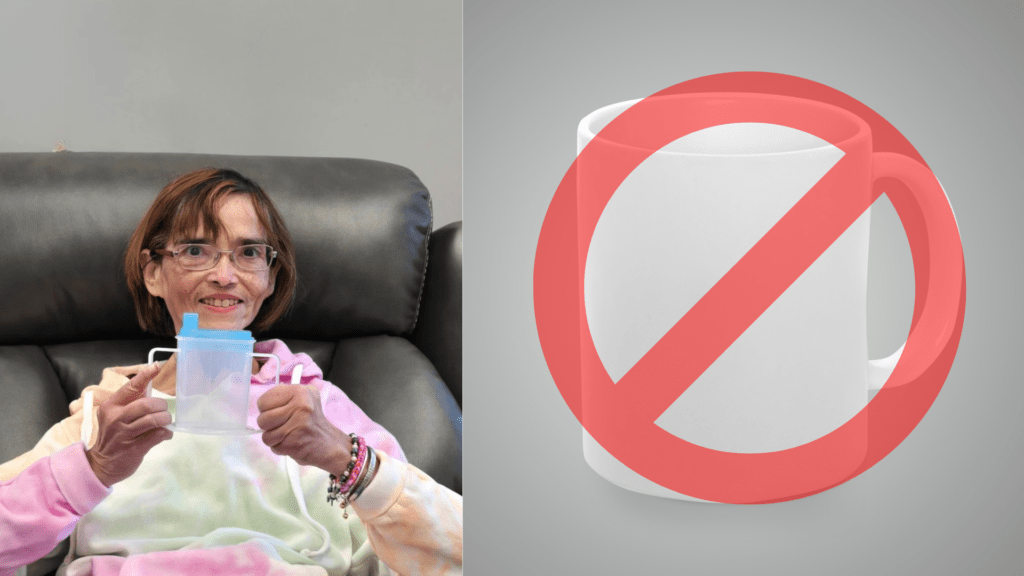
For individuals living with Osteogenesis Imperfecta (OI), movement often requires a level of caution most people never have to think about. A simple misstep, uneven surface, or sudden loss of balance may lead to injury because the body’s bones are far more fragile than normal. This constant awareness can make everyday mobility physically and emotionally exhausting, especially for children, adults, and families managing long-term care needs.
Osteogenesis Imperfecta, commonly known as brittle bone disease, affects every person differently. Some individuals experience occasional fractures and mild mobility limitations, while others rely heavily on supportive rehabilitation and mobility equipment throughout daily life. Regardless of severity, safe movement becomes one of the most important priorities.
Supportive walking aids can help reduce physical strain while improving balance and walking confidence. Modern smart elbow crutches are designed to provide stable support without adding unnecessary weight or discomfort, making them a practical option for individuals who require safer everyday mobility.
At Assistive Tech Hub, patients, caregivers, and rehabilitation professionals can explore mobility solutions designed to support comfort, safety, and independence for Australians living with brittle bone conditions.
Understanding Brittle Bone Condition
Osteogenesis Imperfecta is a genetic condition that affects collagen production, resulting in bones that fracture more easily than usual. Depending on the type and severity of the condition, individuals may experience recurring fractures, reduced muscle strength, joint instability, posture changes, and mobility challenges throughout different stages of life.
For many people with OI, mobility is not simply about walking — it is about minimising injury risk while maintaining as much independence as possible.
Some individuals may feel stable indoors but become more cautious outdoors where uneven footpaths, crowded spaces, or slippery surfaces create additional challenges. Others may experience fatigue because the body works harder to stabilise movement and protect vulnerable joints and bones.
Because fractures can happen unexpectedly, mobility support must prioritise safety, stability, and controlled movement rather than speed or high-impact activity.
Fragile bone walking support should help users feel secure without creating additional strain on the upper body or joints.
Why Safe Mobility Support Is Essential
For people living with brittle bone disease, even minor falls can have serious consequences. This makes walking stability incredibly important during everyday movement.
Supportive mobility aids help reduce pressure on the lower body while improving overall balance control. Rather than forcing the body to compensate constantly for instability, walking support allows movement to feel more controlled and less physically stressful.
The Smart Elbow Crutch available through Assistive Tech Hub is designed to provide lightweight yet dependable walking support for users who require greater balance assistance throughout daily activities.
Unlike bulky walking equipment that may feel difficult to manoeuvre, modern elbow crutches are designed to support safer mobility while remaining practical enough for regular use at home, during appointments, or throughout rehabilitation.
For caregivers, reliable mobility support may also provide reassurance that loved ones have additional walking stability during everyday routines.
Benefits of Smart Crutches
The right mobility aid should help individuals feel supported without limiting their independence or confidence.
One of the biggest benefits of smart elbow crutches is improved stability during walking. For brittle bone patients, controlled movement is extremely important because sudden imbalance or awkward posture can increase injury risks.
The forearm support design also helps distribute weight more evenly through the upper body. This may reduce strain on vulnerable joints and improve overall walking control.
Lightweight crutches support easier movement compared to heavier mobility equipment that may become tiring during prolonged use. For individuals already managing muscle fatigue or joint sensitivity, reducing unnecessary physical effort can make a significant difference throughout the day.
Many users also appreciate the flexibility these mobility aids provide. Smart crutches can support movement during rehabilitation sessions, school or work routines, home mobility, and community activities without feeling excessively restrictive.
Emotional confidence matters too. Some individuals with Osteogenesis Imperfecta avoid certain activities because they fear falling or becoming injured in public spaces. Reliable walking support can help restore a greater sense of safety and independence during daily life.
Features for Safety
Safe mobility aids should provide dependable support while remaining comfortable enough for long-term everyday use.
Adjustable height settings are important because proper positioning helps maintain healthier posture and improves balance during movement. Incorrectly fitted crutches may place additional strain on the shoulders, wrists, or spine.
Ergonomic hand grips help minimise pressure on the hands during prolonged use. This becomes especially valuable for users relying on mobility support regularly throughout the day.
Forearm support creates greater walking control while helping distribute physical pressure more evenly through the arms and upper body.
Non-slip rubber tips improve traction across tiled flooring, outdoor pathways, ramps, and rehabilitation environments. Stable contact with the ground is essential for reducing slip-related injury risks.
Lightweight construction also plays a major role in usability. Heavy walking aids may become difficult to manage, especially for children, elderly individuals, or users recovering from fractures.
Together, these features help create safer movement while supporting greater comfort and confidence throughout daily activities.
Choosing the Right Support
Mobility needs vary greatly between individuals living with Osteogenesis Imperfecta. Some people require occasional walking assistance, while others may benefit from more regular long-term support.
When selecting osteogenesis imperfecta mobility aids, patients and caregivers often consider:
- Balance stability
- Fracture history
- Walking endurance
- Indoor versus outdoor use
- Comfort during prolonged movement
- Weight of the mobility aid
- Rehabilitation recommendations
Therapists and rehabilitation professionals may also recommend mobility aids based on recovery needs, physical strength, and long-term mobility goals.
The best walking support should feel secure enough to improve safety while still allowing users to move as independently and comfortably as possible.
NDIS Support
Some Australians living with Osteogenesis Imperfecta may qualify for mobility assistance through the NDIS.
NDIS brittle bone support and disability mobility aids NDIS participants use may include walking aids, rehabilitation support equipment, and mobility devices designed to improve everyday safety and independence.
Depending on approved plans and individual needs, eligible participants may receive assistance for mobility solutions that support safer movement and long-term daily function.
Patients, caregivers, and therapists seeking personalised guidance can contact the Assistive Tech Hub Support Team for support selecting suitable mobility products.
Conclusion
Living with Osteogenesis Imperfecta often means balancing independence with safety every single day. Reliable mobility support can help reduce physical strain while improving walking stability and confidence during everyday activities.
Smart elbow crutches provide lightweight support, improved balance control, and practical walking assistance for individuals living with brittle bone conditions. Designed with comfort and safety in mind, these mobility aids help users move more securely while supporting greater independence throughout daily life.
Assistive Tech Hub offers supportive mobility solutions focused on comfort, stability, and injury prevention for Australians managing Osteogenesis Imperfecta and other long-term mobility challenges.
To learn more, View Smart Crutches, Improve Safe Mobility, or Get Expert Advice for personalised mobility support guidance.